-
Courses
Courses
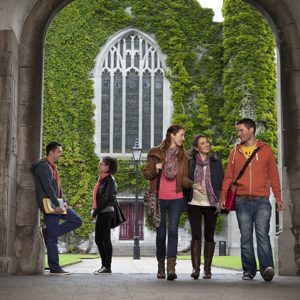
Choosing a course is one of the most important decisions you'll ever make! View our courses and see what our students and lecturers have to say about the courses you are interested in at the links below.
-
University Life

University Life
Each year more than 4,000 choose University of Galway as their University of choice. Find out what life at University of Galway is all about here.
-
About University of Galway
About University of Galway
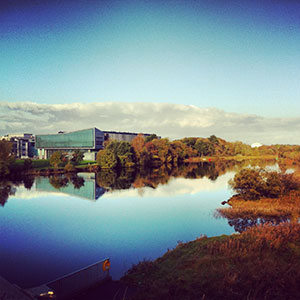
Since 1845, University of Galway has been sharing the highest quality teaching and research with Ireland and the world. Find out what makes our University so special – from our distinguished history to the latest news and campus developments.
-
Colleges & Schools
Colleges & Schools
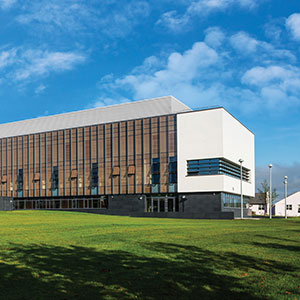
University of Galway has earned international recognition as a research-led university with a commitment to top quality teaching across a range of key areas of expertise.
-
Research & Innovation
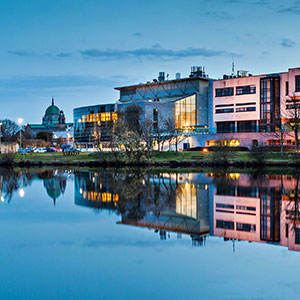
Research & Innovation
University of Galway’s vibrant research community take on some of the most pressing challenges of our times.
-
Business & Industry
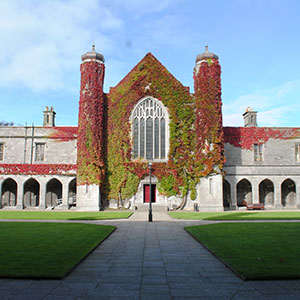
Guiding Breakthrough Research at University of Galway
We explore and facilitate commercial opportunities for the research community at University of Galway, as well as facilitating industry partnership.
-
Alumni & Friends
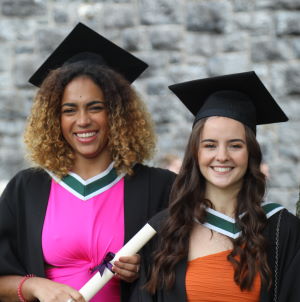
Alumni & Friends
There are 128,000 University of Galway alumni worldwide. Stay connected to your alumni community! Join our social networks and update your details online.
-
Community Engagement
Community Engagement
At University of Galway, we believe that the best learning takes place when you apply what you learn in a real world context. That's why many of our courses include work placements or community projects.
 Accessibility & Language
News Archive
Wednesday, 10 June 2026
Professionals looking to future-proof their careers and explore flexible learning opportunities are invited to the annual Adult Learning information evening at University of Galway. The event will showcase a wide range of part-time and flexible study opportunities, including Microcreds and Springboard+, designed to help professionals upskill, reskill and advance their careers in today’s rapidly evolving employment market. Hosted by the Centre for Adult Learning and Professional Development, the information evening takes place on Wednesday, June 17th from 5.30pm-7.30pm in the Orbsen Building on the University’s south campus. One of the featured talks will explore the impact of AI on the future of work and employment trends, offering valuable insights into the changing skills landscape and emerging career opportunities. Attendees will meet course representatives and learn more about part-time courses across a range of high-demand sectors, including Business and Management, Science and Technology, Advanced Manufacturing, Languages, and pre-university courses. The event will also introduce the University’s newly developed Diploma Series in Advanced Manufacturing. These interdisciplinary courses are tailored for professionals from science and engineering backgrounds, particularly those working in MedTech and engineering sectors. Focused on digitalisation, sustainability and smart manufacturing, the courses are designed to align with evolving industry needs and future workforce demands. Nuala McGuinn, Director of the Centre for Adult Learning and Professional Development, University of Galway, said: “As skills needs continue to evolve across many sectors, our University is committed to offering relevant, high-quality part-time courses that support lifelong learning and equip individuals and employers with the expertise needed to thrive in a rapidly changing economy. “This information evening provides an excellent opportunity for adult learners to explore flexible learning pathways that can help them advance their careers and respond to changing workplace demands.” The University’s growing portfolio of Micro-credentials will also be on show - short, flexible, accredited courses designed to deliver targeted, industry-relevant skills and knowledge in a focused timeframe. Developed in response to industry needs, these courses support professional development and career progression while allowing learners to balance study with work and personal commitments. An 80% fee subsidy is currently available for selected micro-credentials. Information will also be available on Springboard+ opportunities for 2026/27, including fully funded courses for unemployed learners and returners, as well as 90% funding for those currently in employment who wish to upskill. Courses are available in areas such as Artificial Intelligence, Cybersecurity, Software Development, Construction, AgInnovation, Medical Technologies Regulatory Affairs, and Creative Technologies. The event is free. To register to attend and for more information visit: universityofgalway.ie/adultlearning/info_eve Ends
Wednesday, 10 June 2026
Ireland must shift from monitoring coastal erosion as a physical process to establishing the urgent legal and financial mechanisms required to relocate homes and infrastructure, according to new research from University of Galway. The working paper published today by the Climate Change Advisory Council moves beyond the science of coastal change to provide the first comprehensive roadmap for a national Coastal Change Adaptation Framework. Entitled ‘Managing Coastal Risks in Ireland: Towards strategies that integrate planned coastal relocations,’ the report identifies potential policy levers, zoning tools, and funding structures needed to carry out the planned relocation of people and critical assets (residential and commercial properties, roads, bridges, rail lines, ports and harbours, telecommunication networks, or utility plants) away from at-risk zones. The working paper highlights that the scale of the threat from coastal erosion is immense. It notes a survey of eight local authorities which identified 2,279 properties and 570km of roads at risk. These numbers are projected to jump to 4,446 properties by 2050, a figure that will rise substantially once all local authorities covering 19 coastal counties report their data. The paper argues that while erosion is an inevitable natural process, the current lack of a binding framework for retreat has left the State in a cycle of ad hoc reactive engineering and unmanaged loss. To protect current and future generations, the Government must now prioritise the creation of a masterplan that operationalises how - and not just why - coastal communities will move to safety. Dr Eugene Farrell, Associate Professor at University of Galway and lead author of the report, said: "The core issue is accountability and action. Governments and communities cannot continue to frame today’s coastal erosion crisis as an unforeseeable outcome. The science has been clear for decades, and the warnings were widely available. What is required now is decisive remedial and adaptive action. Implementing 'planned relocation' from eroding coastlines is not optional - it is an essential responsibility of present governance." The findings address targets in the Report of the Inter-Departmental Group on National Coastal Change Management Strategy 2023; policy objectives in the 2025 National Planning Framework; and the recommendations The Just Transition Commission of Ireland 2025 report which highlights the need to move beyond reactive policymaking and embrace long-term, structural change, to ensure fast and fair climate action with lasting benefits for future generations. The working paper outlines a series of actions for Government to consider to respond to the increasing risks associated with coastal erosion that will require houses, roads and other infrastructure to be relocated: New legislation addressing coastal change and planned relocation Consistent coastal planning and zoning guidance at a national level Comprehensive, high-resolution coastal risk data A national framework for funding and compensation for relocation Clear governance structures and well-defined roles for all agencies Substantial investment in technical capacity within local authorities to manage relocation Robust community engagement to support meaningful dialogue around relocation Dr Farrell added: "Planned relocation is often framed as a 'last resort,' but it should be viewed as a valid strategic shift when defending homes or roads becomes unsustainable. "By planning for the strategic movement of people and infrastructure early, we can reduce exposure to extreme events, lower long-term costs, and build community resilience." Further observations in the working paper: - Coastal management should prioritise a proactive, managed retreat strategy, with erosion recognised as a natural process essential for sustaining coastal environments like beaches and dunes. Selective protection should be maintained for high-value urban areas, however, rural homeowners cannot simply be left to "be washed away". - Relocation should be viewed through a human rights lens and fundamentally as a public health and social justice priority. Relocation with community participation and fair compensation, can improve long-term wellbeing; without it, the risk of deepens of social inequalities and causing mental health trauma. - Humanitarian aid, equivalent to previous approaches used for river flooding, is required for coastal erosion. However, relying on reactive emergency funding is unpredictable whereas a long-term strategy for coastal relocations enables the Government of Ireland to plan proactively and allocate public funds money more efficiently as climate impacts worsen. - Mandatory natural hazard disclosure in property transactions, similar to a scheme in California and being progressed in England, where a prospective buyer would be formally notified if a home falls within a projected erosion or flood risk zone. - Coastal infrastructure required to service offshore renewable energy including ports and transmission networks must be designed with climate adaptation and long-term coastal change in mind. The working paper, compiled by Dr Eugene Farrell with technical support from MKO planning and environmental consultants, was commissioned by the Climate Change Advisory Council. It integrates a desktop review of international case studies and interviews with practitioners and policymakers. The full paper 'Managing Coastal Risks in Ireland: Towards strategies that integrate planned coastal relocations' can be viewed here. Ends
Monday, 8 June 2026
University of Galway’s J.E. Cairnes School of Business and Economics has been recognised among the top 1% of business schools worldwide after achieving a prestigious triple crown of international accreditation. The J.E. Cairnes School of Business and Economics is among an elite group of business schools in the world after securing the three most rigorous and internationally recognised quality standards in business education - EQUIS accreditation by the European Foundation for Management Development; Association to Advance Collegiate Schools of Business (AACSB) and Association of MBAs (AMBA). Professor David Burn, President of the University of Galway, said: “Achieving triple crown accreditation marks an important milestone for J.E. Cairnes School of Business and Economics and for the University as a whole. This recognition reflects the School’s consistent engagement with industry and society, and its commitment to delivering education that is relevant, impactful and rooted in the needs of our region, while also contributing on a global stage.” Professor Alma McCarthy, Executive Dean of the College of Business, Public Policy and Law, added: “This achievement belongs to the entire School community, whose shared focus on high-quality teaching, impactful research and meaningful engagement has made it possible. For our students, it is a signal that their education stands alongside the best in the world, and that we will continue to challenge ourselves to deliver an academic experience that is dynamic and relevant in an evolving global business landscape.” Professor Karena Yan, Dean of J.E Cairnes School of Business and Economics, added: “This achievement recognises the staff, students, alumni, and industry partners who have built the School. To stand among the global top 1% of business schools is pride and responsibility in equal measure. It speaks to the rigour of our scholarship, our leadership in sustainability, and our public good commitment.” The EQUIS accreditation recognises the commitment of the J.E. Cairnes School of Business and Economics to word class teaching, research and real-world impact. It involves a rigorous peer-review process across a broad range of criteria including academic quality, governance, research, ethics, sustainability, internationalisation and engagement with industry and society. The milestone of securing the triple crown of accreditation builds on a series of successes for the School, including receiving the Silver Swan Award in recognition of its commitment to gender equality. The School also received the Excellence in Education award at the Irish Accountancy Awards 2026 for its future-focused approach to learning in its Accountancy and Finance discipline, which are delivered through a suite of summer schools across four postgraduate master’s programmes and shaped by research, industry and global trends. The University of Galway Tax Clinic received the prestigious US-based AACSB Global Impact Award 2026, which celebrates initiatives addressing pressing regional and local challenges. Led by Director Professor Emer Mulligan and Coordinator Maggie O’Neill, the Tax Clinic delivers real impact through community engagement and support, while providing valuable, hands-on learning experiences for students. Ends
Friday, 5 June 2026
University of Galway has announced new international opportunities for research students as part of the ENLIGHT University Alliance. The initiative has been unveiled at the mid-year meeting of ENLIGHT, when the alliance of 10 universities in 10 European countries comes together to review the partnership and plan how to build on achievements. The 2026 gathering has been hosted this week at University of Galway with discussions on education, research collaboration, future development and priorities and securing further support. Over the course of the three-day meeting, delegations discussed innovative education, research collaboration and how to build a sustainable and lasting alliance that will continue to help shape the future of European higher education. University of Galway also announces a key milestone with the signing of a Joint PhD agreement by the presidents of the ENLIGHT universities, creating new opportunities for students to gain international experience throughout their research journeys. University of Galway President Professor David Burn said: “ENLIGHT has been a hugely positive initiative for University of Galway and has grown strongly over the past few years. Our engagement with ENLIGHT partners supports our strategic ambitions in both education and research, while creating valuable international opportunities for our staff and students. “The discussions in Galway have reinforced the strength of the alliance and the shared commitment across our partner universities to deepen collaboration even further. We are excited about the opportunities ENLIGHT will continue to create for our university community.” The ENLIGHT alliance is part of the European University Initiative, a flagship programme of the European Commission’s strategy for universities. In 2023, the European Commission announced a four-year €14.4 million investment in ENLIGHT, supporting continued academic collaboration across the alliance. University of Galway’s involvement in the European University Alliance is also supported nationally by the Higher Education Authority. Since 2020, ENLIGHT has created more than 100 funded projects, initiatives and networks, while engaging more than 2,500 academics through its Thematic Networks and Incubator Grants. These activities have helped to seed interdisciplinary collaboration across the partner institutions and lay the foundations for long-term cooperation and innovation. University of Galway is involved in more than 50 of these collaborative projects with ENLIGHT partners, helping to develop new education offerings and strengthen research connections across the alliance. ENLIGHT also received a strongly positive mid-term review from the European Commission in March, with the alliance recognised for the strong foundations it has built, including its governance structures and its growing integration of education, research and societal engagement. ENLIGHT places a strong emphasis on creating opportunities for early career researchers and expanding mobility opportunities for staff and students. The alliance is also an important enabler of University of Galway’s strategic ambitions, with the ENLIGHT flagships aligning closely with the University’s strategic priorities. Ends
Thursday, 4 June 2026
Researchers have gained a greater understanding of the role inflammation plays in Huntington’s disease progression, to help identify potential therapeutic targets for treatment. The study was led by University of Galway and investigated whether the degree of inflammation in the midcingulate cortex - a part of the brain that plays a role in emotion processing, decision-making and cognitive control - correlates with the degree of cell death and type and severity of symptoms, particularly mood-related symptoms in Huntington’s disease. Huntington’s disease is an inherited disease that causes the progressive death of nerve cells in the brain. It has a broad impact on a person's functional abilities and usually results in movement, cognitive and psychiatric problems. Behavioural and psychiatric symptoms are often named the most burdensome for patients and their families, changing family roles, dynamics and relationships. The study was published in the journal Communications Medicine and can be read here. Professor Andrea Kwakowsky, Associate Professor of Pharmacology, School of Pharmacy and Medical Sciences, University of Galway, and lead author, said: “With our society facing an ageing population, Huntington’s disease could become more common, with some patients showing low-grade, late-onset forms of the disease. “Overall, the results present a complex picture of potential inflammation priming - where cells or tissues exposed to an initial inflammatory signal become more persistent - in the Huntington’s disease midcingulate cortex, rather than a highly active inflammatory response within the central nervous system. “This research shows that neuroinflammation-related genes are activated in all Huntington’s disease cases, and are particularly strong in cases with dominant motor symptoms compared to those with mood or mixed symptoms. “The results point to a unique involvement of the midcingulate cortex in motor-specific neuroinflammatory pathology, suggesting it may serve as an early marker of disease progression and merits further study.” The researchers performed critical experiments to determine the degree of inflammation in the midcingulate cortex and its link to Huntington’s disease symptoms, particularly the behavioural and psychiatric symptoms. They also identified novel genes which are involved in neuroinflammatory processes. Prolonged inflammation in the brain can be destructive. The physiological symptoms of Huntington’s disease have been linked to neuroinflammation due to the presence of inflammatory mediators - chemical substances released by immune cells, and reactive glial cells - the brain’s fundamental response to damage. Many cell communication pathways likely interact to propagate neuroinflammation in the brain. Professor Kwakowsky said: “Neuroinflammation is thought to cause cell loss, and cell loss in the cingulate cortex – a brain region that links emotion, cognition, memory and motor function – linked to Huntington’s disease mood symptoms. However, the presence of neuroinflammation in Huntington’s disease of the midcingulate cortex, which manages emotion regulation, has not yet been investigated.” The study was funded by the University of Galway, Aotearoa Foundation, Centre for Brain Research, the University of Auckland, the Health Research Council of New Zealand, Alzheimer’s New Zealand, Freemasons New Zealand, Neurological Foundation of New Zealand, Maurice and Phyllis Paykel Trust, and the Whau Foundation. Ends
Tuesday, 2 June 2026
Hedgehog Conservation Ireland and researchers at University of Galway and University of Oxford are calling on people to take part in the inaugural Great Big All-Ireland Hedgehog Count, aimed at helping scientists better understand the status of Ireland’s hedgehog population. From Monday June 8th, members of the public are encouraged to keep an eye out for hedgehogs in their gardens, parks, farms, estates, campuses and public green spaces, and report sightings online. The nationwide citizen science campaign aims to build a clearer picture of where hedgehogs are still thriving across Ireland and where populations may be under pressure. Participants can submit sightings at https://www.irishhedgehogsurvey.com/. Hedgehogs play a role in maintaining healthy ecosystems by naturally helping to control populations of insects, slugs and other garden pests, making them an important part of Ireland’s biodiversity. The initiative is part of a growing national effort to better understand and protect Ireland’s hedgehogs, whose numbers are believed to be declining due to habitat loss, road traffic, pesticides and changes in land use. Across Europe, hedgehogs are now classified as “Near Threatened” on the IUCN Red List. Recent studies suggest hedgehog populations have declined significantly in parts of western Europe over recent decades, making public reporting initiatives increasingly important for conservation research. Hedgehog Conservation Ireland is led by Elaine O’Riordan, University of Galway’s School of Natural Sciences and Ryan Institute, Dr Amy Haigh, Veon Ecology, Dr Sophie Lund Rasmussen, Natural History Museum Denmark and WildCRU, University of Oxford, and Alan Bell, Eco Restoration Trust. Elaine O’Riordan, researcher at University of Galway and lead researcher for the Irish Hedgehog Survey, said: “Public participation is vital because hedgehogs are nocturnal animals, and monitoring them on a large scale would be impossible without community support. People across Ireland can make a real contribution to hedgehog conservation simply by reporting sightings. Every record helps us understand where hedgehogs are living and how populations are changing over time. Gardens and green spaces are becoming increasingly important refuges for wildlife, and we’re encouraging everyone to keep an eye out during the count week.” The Great Big All-Ireland Hedgehog Count is open to everyone, whether they live in a city, town, village, or rural area. Participants are encouraged to look for hedgehogs at dusk or after dark, when the animals are most active. Dr Sophie Lund Rasmussen, also known as Dr Hedgehog, hedgehog researcher at WildCRU, University of Oxford and member of Hedgehog Conservation Ireland, said: “If you do not have a garden yourself, you can look for hedgehogs in the local park, or travel to the forest or the countryside. And if you are young and cannot stay up late when the hedgehogs become active, you can also report road-killed hedgehogs - every record counts and helps us build a better understanding of where hedgehogs are found. “It is very important that we do not disturb the hedgehogs during the count. We do not want to risk any nests being disrupted or stressing the animals. Please wait for hedgehogs to appear naturally on the lawn when they become active at dusk and admire them from a distance.” Organisers hope the event will not only gather valuable scientific data but also encourage more people to connect with local wildlife and make their gardens and communities more hedgehog-friendly by creating safe spaces for nature to thrive. The Great Big All-Ireland Hedgehog Count is expected to become an annual event. For more information about the Great Big All-Ireland Hedgehog Count and how to take part, visit:https://www.hedgehogsireland.com/research-actions/hedgehog-count Ends
Friday, 31 January 2025
Research led by a team of investigators at University of Galway has revealed that frailty has a greater impact than age on the outcomes of patients being weaned off invasive mechanical ventilation, required by patients with various forms of respiratory failure. Despite the widespread use and clear benefits of mechanical ventilation, it is not a risk-free intervention. The research is a sub-study of the international study – “Worldwide Assessment of Separation of Patients from Ventilatory Assistance” (WEAN SAFE), led by the European Society of Intensive Care Medicine and the European Respiratory Society. The sub-study was jointly first authored by University of Galway medical students, Rionach Sheerin and Caoimhe Laffey as part of the Health Research Board Summer scholarship programme. Professor Andrew Simpkin, Professor in Statistics at the School of Mathematical and Statistical Sciences from University of Galway led the analysis team for the study. Weaning is the process by which mechanical ventilation support is gradually reduced and then discontinued, to allow a patient to breathe by themselves. This sub-study sought to understand why delayed and failed weaning of patients from invasive mechanical ventilation worsens patient outcomes, increases the risk of dying and increases the length of intensive care unit and hospital stay. The international WEAN SAFE study analysed data from 4,523 patients across 481 intensive care units in 50 countries. The University of Galway sub-study categorised patients into four groups based on age and also based on frailty - a medical condition where a person’s body systems lose their built-in reserves, making them vulnerable to stressors like illness or injury. The findings, published in Annals of Intensive Care and available at: https://rdcu.be/d7mQR, demonstrate that frailty plays a more decisive role than age in determining both the likelihood of delayed and failed weaning and overall survival rates. Key Findings: Frail patients, regardless of their age, faced significantly higher risks of delayed weaning (28%) and weaning failure (23%) compared to non-frail and younger patients (12% and 13%, respectively). Frail and elderly patients (4% of the study population) had the poorest outcomes, with hospital mortality reaching 46%. Older age, though significant, had a lesser impact on outcomes compared to frailty. Professor John Laffey, Professor of Anaesthesia and Intensive Care Medicine at University of Galway’s College of Medicine, Nursing and Health Sciences, and Consultant in Anaesthesia and Intensive Care Medicine at Galway University Hospitals, said: “Delayed and failed weaning from mechanical intubation is a critical challenge in ICUs worldwide, with far-reaching implications for patient recovery and resource utilisation. Patients requiring intensive care are increasingly older and more frail. The study's findings point to the importance of incorporating frailty assessments into ICU protocols to guide decision-making, optimise care, and further improve outcomes for these at-risk populations.” Dr Bairbre McNicholas, Senior Lecturer at University of Galway and Consultant in Intensive Care Medicine at Galway University Hospitals, said: “This study highlights the value of frailty assessments in critical care settings as is provides clear evidence that frailty, rather than age alone, should be a key consideration in managing weaning processes.” The WEAN SAFE study is a global initiative to advance understanding of the challenges associated with Intensive Care Unit mechanical ventilation and weaning processes. It is the first global study to describe the weaning process in detail, characterising different approaches used by physicians globally in regard to weaning for mechanical ventilation, and the impact of delayed and failed weaning from ventilation. The study’s findings provide a robust evidence base to inform clinical practice and improve patient care worldwide. Ends
Wednesday, 29 January 2025
University of Galway and PwC Ireland have announced the renewal of a strategic partnership to promote talent for business. The partnership runs for five years until 2030, ensuring PwC and the University’s J.E. Cairnes School of Business and Economics continue to collaborate on the University's Bachelor of Commerce Skills Pathway, focusing on developing students' innovation and entrepreneurial talent. The programme will comprise three modules: skills for success; skills for business; and skills for innovation, creativity and enterprise. At the announcement, Doone O’Doherty, People Partner, PwC Ireland, said: "PwC’s research indicates that more still needs to be done to upskill today’s workforce and this need has come to the fore as AI and Generative AI disrupts businesses. Education has an important role to play in ensuring that our graduates' skills are future-proofed. As one of Ireland's largest graduate recruiters, we recognise the importance of developing talent, having the digital, entrepreneurial and collaborative skills needed for a fast-moving business environment. We are delighted to continue our partnership with University of Galway to help prepare students for the Irish and international workplace and to equip them with the relevant skills to become world-class business leaders." Professor Alma McCarthy, Dean, J.E. Cairnes School of Business and Economics, University of Galway, said: “We are delighted to announce the renewal of our successful partnership with PwC. The PwC partnership enables our Bachelor of Commerce students to develop their entrepreneurial skills using practical real-world projects mentored by leading industry and business leaders. We look forward to continuing to build on our excellent relationship with PwC, a relationship that extends over a decade.’’ In addition to focusing on skill and competency development, University of Galway's Bachelor of Commerce Skills Pathway programme will also involve peer-assisted learning; opportunities to shadow and learn from current PwC graduates on-site; guest lecturing sessions; employability skills training; and mentoring. Ends
Tuesday, 28 January 2025
The UNESCO Child and Family Research Centre co-hosted a special event Acting with Empathy, with Irish actor and Centre Patron, Cillian Murphy at the Stella Cinema in Rathmines, Dublin. The programme included an exclusive screening of the movie Small Things Like These distributed by Lionsgate and Big Things Films followed by a discussion with RTÉ’s John Kelly where the actor reflected on his patronage of the work on empathy with the UNESCO Centre in Galway and the importance of engaging young people in social issues. The event was held in association with Foróige and Pennsylvania State University in the US, to highlight the on-the-ground delivery of evidence-based empathy education for adolescents in schools and in community youth work settings in Ireland. Commenting on how the film’s theme connects with the actor’s support for the partners’ work in promoting empathy in adolescents, Cillian Murphy said: “While the movie Small Things reflects on the plight of Irish life in the mid-1980s, its message of the need for empathy and compassion in communities has even more resonance today given the personal and social challenges young people face and endure – not least issues of prejudice, targeted hate speech and online bullying.” The event featured a Q&A with Cillian Murphy and two Youth Researchers who work with the UNESCO Child and Family Research Centre. It also offered a unique opportunity to share with potential sponsors plans to build on established expertise in the field through the development of a transatlantic UNESCO Observatory for Youth Empathy and Engaged Citizenship co-located with Pennsylvania State University. The Observatory will provide the infrastructure that brings research evidence and implementation together for ‘real world’ application and generate evidence with and for young people. Ailbhe Ni Mhorain, a 6th year student at Dominican College, Taylor’s Hill in Galway and a Youth Researcher, said: “Now more than ever, empathy education is essential so young people can truly understand each other and not at a surface level. As the voice of tomorrow, we need to be able to work together to face the challenges arising in the future.” Matthew Shaw-Torkzadeh, Transition Year student, Newpark Comprehensive School, Dublin and also a Youth Researcher, said: "If empathy is a muscle that can be trained, the best way to do that is through connecting with and acting on behalf of those facing injustice starting with involvement in your own community." Since 2016, a team of researchers at University of Galway have developed a concrete basis for understanding empathy, social values and civic behaviour in adolescents. Based on active emphatic responding at interpersonal, community and societal levels, this research is enabling the development of interventions such as curriculum for secondary schools, programmes for community youth work, and policy frameworks for governments. Ends
Tuesday, 28 January 2025
Technologies being researched to help farmers mitigate against climate change A European research-led consortium has been established to pioneer technologies to improve crop resilience to drought stress caused by climate change. EpiSeedLink is a €2.69 million project funded under the European Commission’s Horizon Europe that will run for four years, exploring new methods to improve how farmed crops can survive prolonged dry spells by harnessing natural processes. The research consortium is made up of partners in Ireland, France, Spain, Germany, the Netherlands with the Kerry-based biotech company BioAtlantis and the lead researcher, Dr Sara Farrona at University of Galway. EpiSeedLink employs two key strategies: understanding the molecular and epigenetic mechanisms behind seed germination and vigour to develop drought-resistant crops; and developing Molecular Seed Priming agents from renewable marine and terrestrial resources, such as seaweed, to improve seed performance under drought. These approaches will be tested in laboratory and field trial conditions using model plants such as Arabidopsis – a flowering plant of the mustard family; as well as tomato and oilseed rape - two major crops grown in Europe. Dr Sara Farrona, Head of the Plant Development Epigenetics Laboratory of the School of Biological and Chemical Sciences, College of Science and Engineering, University of Galway, said: “Our goal is to research the potential for technologies that could help farmers grow crops under climate-related stress conditions, such as drought. As development of agricultural sustainable practices is essential in combating climate change, the goal of EpiSeedLink is to contribute to this challenge by driving progress toward a more sustainable world and advancing both foundational knowledge and practical solutions in agriculture. “The research is investigating epigenetic mechanisms – essentially how cell function can be changed. Epigenetic processes in biology are analogous to a computer's software. While genomes resemble the hardware running cells, epigenetic changes resemble software that manage when genes are switched on or off. Such changes can occur naturally in response to environmental factors, linking cells to their surroundings, but without altering crop DNA sequences. “This project seeks to harness these natural processes to deliver new sustainable technologies to crop growers.” The EpiSeedLink project involves research in three main areas: Seed Germination: Understanding how epigenetic factors influence the development of a new plant, known as seed-to-seedling transition. Stress Adaptation: Studying how plants respond to drought stress. Seed Priming: Developing technologies to improve drought tolerance using Molecular Seed Priming agents from renewable marine and terrestrial resources, such as seaweed. As part of the EpiSeedLink consortium, University of Galway and BioAtlantis are hosting PhD students who are being trained as the next generation of plant scientists in innovative plant epigenetics research, offering new ways to improve crop yields and stress resilience. Dr Sujeeth Neerakkal, Head of Plant Research, BioAtlantis Ltd, said: “EpiSeedLink is a cutting-edge research project focused on modulating the epigenetic code in crops, using novel Molecular Priming agents. In this project, BioAtlantis will play a key role in developing these molecular priming agents to improve drought tolerance and to enhance growth and yield in crops, whilst also contributing to the training of the next generation of PhD level scientists in this field of research. As part of their training students will conduct scientific trials at BioAtlantis’ R&D facilities, using model plants and crops species such as, oil seed rape and tomato. BioAtlantis’ participation in EpiSeedLink is testament to its continued commitment to the development of STEM and biotechnology in Ireland, and our drive to deliver proven and sustainable solutions to crop growers worldwide.” Read more information about EpiSeedLink, here: https://episeedlink.eu/ Ends
Monday, 27 January 2025
Is í an tOllamh Alma McCarthy an chéad bhean a ceapadh sa phost Tá an tOllamh Alma McCarthy ceaptha ina Déan Feidhmiúcháin ar Choláiste an Ghnó, an Bheartais Phoiblí & an Dlí in Ollscoil na Gaillimhe. Is í an chéad bhean a ceapadh sa ról mar cheannasaí dáimhe agus beidh an tOllamh McCarthy ag glacadh leis an ról ón 1 Márta 2025, ar feadh tréimhse ceithre bliana. Cuimsítear Scoil an Dlí, Scoil Ghnó agus Eacnamaíochta J.E. Cairnes agus Coláiste Ósta na Sionainne mar chuid den Choláiste. Bhí an méid seo le rá ag Uachtarán Eatramhach Ollscoil na Gaillimhe, an tOllamh Peter McHugh: “Níl aon amhras orm ach go dtabharfaidh an tOllamh Alma McCarthy ceannaireacht den scoth ina ról nua mar Dhéan Feidhmiúcháin Choláiste an Ghnó, an Bheartais Phoiblí agus an Dlí san Ollscoil, agus í ag obair le comhghleacaithe anseo agus níos faide i gcéin, agus í ag cur chun cinn oideachas agus taighde den scoth a mbeidh an-tionchar aige agus a bheidh ag teacht lenár n-uaillmhianta straitéiseacha sna blianta amach romhainn. “Gabhaim buíochas freisin leis an Ollamh Geraint Howells, an Déan Feidhmiúcháin atá ag dul as oifig, as a sheirbhís don Ollscoil agus as an gceannaireacht atá tugtha aige le ceithre bliana anuas. Tá cion nach beag déanta aige d'fhorbairt na hOllscoile le linn dó a bheith ag obair linn. Guím gach rath air sa todhchaí.” Tá an tOllamh McCarthy ina Déan ar Scoil Ghnó agus Eacnamaíochta J.E. Cairnes in Ollscoil na Gaillimhe ó 2021. Tá sí ina hOllamh le Bainistíocht Earnála Poiblí agus i measc na spéiseanna taighde atá aici tá ceannaireacht san earnáil phoiblí agus forbairt acmhainní daonna, oiliúint, cothromaíocht oibre is saoil agus an chianobair. Bhí an tOllamh McCarthy i gceannas ar na suirbhéanna cianoibre le linn na paindéime, le tacaíocht ó Choimisiún Forbartha an Iarthair, ag bailiú eolais faoi na chéad léargais ar dhearcaí na bhfostaithe ar an aistriú mór agus tobann a bhain le bheith ag obair ón mbaile agus taobh amuigh den oifig. Tá tionchar imeartha ag a taighde ar pholasaí forbartha tallainne na Státseirbhíse agus ar straitéis náisiúnta cianoibre an Rialtais. Tá taithí fhairsing ag an Ollamh McCarthy ar chláir oiliúna forbartha ceannaireachta agus bainistíochta a dhearadh, a sheachadadh agus a mheas, ar cláir iad a bhfuil sé d'aidhm acu feabhas a chur ar inniúlacht bainistíochta, agus tá saineolas faoi leith aici ar fhorbairt bainistíochta sa tseirbhís phoiblí agus sa státseirbhís. Dúirt an tOllamh McCarthy: "Is mór an onóir dom a bheith ceaptha sa ról mar Dhéan Feidhmiúcháin agus táim ag tnúth le cur leis an rath atá ar na trí Scoil i gColáiste an Ghnó, an Bheartais Phoiblí & an Dlí in Ollscoil na Gaillimhe. Ag obair i gcomhar le foireann láidir comhghleacaithe sa Choláiste, leanfaimid orainn ag dul i ngleic le riachtanais athraitheacha an gheilleagair agus na sochaí chun oideachas den scoth a dhearadh agus a sholáthar sa ghnó, dlí agus bainistíocht óstáin agus leanfaimid orainn ag dul i ngleic le taighde ábhartha den scoth. Beidh rannpháirteachas le páirtithe leasmhara seachtracha agus tionchar ar pholasaithe mar phríomhthosaíocht ag an gColáiste ina phlean straitéiseach nua.” Ball cairte í an tOllamh McCarthy den Chartered Institute of Personnel and Development (CIPD), den American Academy of Management agus den Society for Industrial and Organisational Psychology, agus chaith sí tréimhse mar Leas-Chathaoirleach agus mar Chathaoirleach tofa d'Acadamh Bainistíochta na hÉireann (IAM). Rinneadh Comhalta den IAM di as a bhfuil déanta aici don acadamh sin. Ball creidiúnaithe den British Psychological Society (BPS) í agus tá deimhniú aici le raon leathan measúnuithe síciméadracha a riaradh, idir chumas cognaíoch, tástálacha pearsantachta agus spéiseanna gairmréime. Críoch
Monday, 27 January 2025
Professor Alma McCarthy is the first female academic to be appointed to the position Professor Alma McCarthy has been appointed Executive Dean at the College of Business, Public Policy and Law at University of Galway. The first female academic to hold the role at the head of the faculty, Professor McCarthy will take up the post on March 1, 2025, for a four-year term. The College comprises the School of Law, J.E. Cairnes School of Business and Economics, and Shannon College of Hotel Management. Interim President of University of Galway, Professor Peter McHugh said: “I have no doubt that Professor Alma McCarthy will provide excellent leadership as Executive Dean of the College of Business, Public Policy and Law at our University, working with colleagues both here and beyond, promoting excellent and impactful education and research, in alignment with our strategic ambitions over the coming years. “I also thank Professor Geraint Howells, the outgoing Executive Dean, for his service to the University and leadership over the last four years. He has made an outstanding contribution to our development. All of us wish him the very best for the future.” Professor McCarthy has been Dean of J.E. Cairnes School of Business and Economics at University of Galway since 2021. She is Professor of Public Sector Management and her research interests include public sector leadership and human resource development, training, work-life balance, and remote working. Professor McCarthy spearheaded the remote working surveys during the pandemic, with the support of the Western Development Commission, generating the first and earliest insights into employee attitudes to the sudden and large-scale shift to working from home and out of the office. Her research has influenced national civil service talent development policy and the Government's national remote working strategy. Professor McCarthy has extensive experience in designing, delivering and evaluating leadership and management development training programmes aimed at improving managerial competence, with particular expertise in public and civil service management development. Professor McCarthy said: “I am honoured to be appointed to the Executive Dean role and look forward to building on the long-established success of the three Schools in the College of Business Public Policy & Law at University of Galway. Working with a strong team of colleagues in the College, we will continue to adapt to the changing needs of the economy and society to design and deliver excellent education in business, law and hotel management and continue to engage in relevant and impactful research. External stakeholder engagement and impact on policy will also be a key priority for the College in its new strategic plan.” Professor McCarthy is a Chartered Member of the Chartered Institute of Personnel and Development (CIPD), the American Academy of Management, the Society for Industrial and Organisational Psychology, and served as elected Vice-Chair and Chair of the Irish Academy of Management (IAM). She was conferred a Fellow of the IAM for her service to the academy. She is an accredited member of the British Psychological Society (BPS) and certified to administer a broad range of cognitive ability, personality and occupational interest psychometric assessments. Ends
Wednesday, 22 January 2025
Researchers at University of Galway have developed a way of bioprinting tissues that change shape as a result of cell-generated forces, in the same way that it happens in biological tissues during organ development. The breakthrough science focused on replicating heart tissues, bringing research closer to generating functional, bioprinted organs, which would have broad applications in disease modelling, drug screening and regenerative medicine. The research was led by a team at the School of Engineering and CÚRAM Research Ireland Centre for Medical Devices at University of Galway and has been published in the journal Advanced Functional Materials. Bioprinting technology uses living cells within specialised “bioink” materials – a substance or material which can support living cells, and due to its characteristics, it can aid cell adhesion, proliferation and differentiation during maturation. The technology offers immense promise for creating lab-grown organs that closely resemble the structure of their human equivalent. However, bioprinting fully functional organs remains a significant hurdle. For instance, while bioprinted heart tissues can contract, their force of contraction is often considerably weaker than that of a healthy adult heart. Traditional bioprinting methods often aim to directly recreate the final anatomical shape of an organ, like the heart – therefore overlooking the crucial role of dynamic shape changes during natural embryonic development. For example, the heart begins as a simple tube that undergoes a series of bends and twists to form its mature four-chambered structure. These shape-morphing behaviours are essential for sculpting heart cell development and maturation. The University of Galway research team recognised this and developed a novel bioprinting technique that incorporates crucial shape-changing behaviours. Ankita Pramanick, lead author of the study and CÚRAM PhD Candidate at University of Galway, said: “Our work introduces a novel platform, using embedded bioprinting to bioprint tissues that undergo programmable and predictable 4D shape-morphing driven by cell-generated forces. Using this new process, we found that shape-morphing improved the structural and functional maturity of bioprinted heart tissues.” The research showed that cell-generated forces could guide the shape-morphing of bioprinted tissues, and it was possible to control the magnitude of the shape changes by modifying factors such as the initial print geometry and bioink stiffness. Morphing was found to sculpt cell alignment and enhance the contractile properties of the tissues. The research team also developed a computational model that could predict tissue shape-morphing behaviour. Professor Andrew Daly, Associate Professor in Biomedical Engineering and CÚRAM funded investigator and principal investigator on the project, said: “Our research shows that by allowing bioprinted heart tissues to undergo shape-morphing, they start to beat stronger and faster. The limited maturity of bioprinted tissues has been a major challenge in the field, so this was an exciting result for us. This allows us to create more advanced bioprinted heart tissue, with the ability to mature in a laboratory setting, better replicating adult human heart structure. We are excited to build on this shape-morphing approach in our ongoing European Research Council project, which is focused on developmentally-inspired bioprinting. “We are still a long way away from bioprinting functional tissue that could be implanted in humans, and future work will need to explore how we can scale our bioprinting approach to human-scale hearts. “We will need to integrate blood vessels to keep such large constructs alive in the lab, but ultimately, this breakthrough brings us closer to generating functional bioprinted organs, which would have broad applications in cardiovascular medicine.” The full study can be read in Advanced Functional Materials here: https://onlinelibrary.wiley.com/doi/10.1002/adfm.202414559#adfm202414559-bib-0004 Ends
Tuesday, 21 January 2025
University of Galway’s Farmer’s Yards finds a new home in rural life of Pennsylvania Farmer’s Yards, a social initiative developed at University of Galway for the farming community, has been launched in the United States. Pennsylvania Farm Link, a non-profit dedicated to forging connections that secure the future of farming in the state, has adopted the novel programme as part of its efforts to respond positively to mental health and wellbeing issues facing farmers, while creating opportunities to enhance social inclusion within the farming community, especially for older farmers. Farmer’s Yards was initiated and developed by Dr Shane Conway at University of Galway’s Rural Studies Centre, with support from the University’s Illuminate Programme. The establishment of the initiative in Pennsylvania has been funded by the Northeast Extension Risk Management Education Center located at the University of Delaware through the United States Department of Agriculture (USDA) National Institute of Food and Agriculture. The first Farmer’s Yards gathering in the US took place at the 109th Pennsylvania Farm Show that took place from the 4th to 11th of January 2025 in Harrisburg, bringing together 32 farmers from across the state to network with each other and reflect on the challenges of farm life. Dr Conway said: “The recent implementation of Farmer’s Yards in Pennsylvania showcases its universal appeal and adaptability for farming communities across the world. Farmers aged 65 and older are now the fastest-growing demographic of the farming population globally and this initiative provides a vital social outlet for older farmers to stay actively involved in their local community in later life. This is important because for many, farming is more than a job - it’s their identity and way of life. “Farmer’s Yards offers a meaningful way for these farmers to stay connected and engaged with fellow farmers at a similar stage of life, fostering inclusion and addressing the uncertainties and fears that often accompany stepping back from active farming. Whether adapting to age-related physical limitations or navigating the transition of the farm to the next generation, this initiative ensures that older farmers continue to be respected and valued members of the farming community as they age, contributing positively to their mental health and overall wellbeing.” Darlene Livingston, Executive Director, Pennsylvania Farm Link said: “Farmer’s Yards in Pennsylvania is designed for our farming community’s particular interests, requirements and values, in accordance with then model developed at University of Galway. The important role that the initiative plays in ensuring active social participation and inclusion for farmers as they age was evident with so many farmers in their 70s and 80s taking part. Such engagement will help prevent them from being isolated and feeling excluded from society in later life.” The Farmer’s Yards provides farmers with a platform to maintain legitimate social connectedness, collegiality, and comradeship with their peers where they live, and in turn, combat social isolation and loneliness, something that is particularly beneficial for older farmers who have few other social outlets and may live alone. Pennsylvania Farm Link is planning further gatherings in rural communities across the state in the coming months as part of the adoption of the initiative. Farmers who take part are also exposed to a diverse set of farmer-focused knowledge transfer and exchange activities, such as succession planning, thereby helping them to successfully adapt through, and beyond, times of stress and distress. Ends
Tuesday, 21 January 2025
Two University of Galway Law students, Mamadou Saliou Bah and Salma Smith were recently awarded RDJ Diversity and Inclusion Scholarships, worth €5,000 and a work placement opportunity with leading Irish law firm RDJ. This year marks the first year of the RDJ Diversity and Inclusion Scholarship at University of Galway which support students from ethnic minorities and those who are under-represented in the legal profession in Ireland. RDJ has donated €100,000 over ten years for the scholarships, which are awarded to two University of Galway Law students each academic year. Mamadou and Salma were chosen as the scholarship recipients following a competitive selection and interview process based on exam results, a personal statement, a 1,000-word essay discussing the topic, “The Need for Diversifying the Legal Profession in Ireland”. The students were officially awarded their scholarships on campus by JP Gilmartin, Partner-in-Charge of RDJ's Galway office, Antoinette Vahey, Partner at RDJ, and Professor Martin Hogg, Dean of the University of Galway School of Law. Commending the RDJ Diversity Scholars on their achievement, JP Gilmartin, Partner-in-Charge of RDJ's Galway office, said: “I am delighted to meet this year’s recipients of the RDJ Diversity Scholarship today. Mamadou and Salma are both outstanding students and I look forward to following what I have no doubt will be successful career paths for them both.” Antoinette Vahey, Partner in RDJ’s Employment Group added: “Greater diversity and inclusion are among RDJ’s core values. This scholarship is in keeping with our commitment to creating a workplace that reflects the diversity of our clients and the communities we are part of.” Acknowledging the importance of encouraging diversity in the legal profession, Professor Martin Hogg, Dean of University of Galway’s School of Law, said: “RDJ’s support in creating these two scholarships is sincerely appreciated by the School of Law. The two worthy inaugural recipients, Mamadou and Salma, will benefit greatly from them, receiving transformative support and encouragement to pursue legal careers in an increasingly diverse legal profession.” Ends
Tuesday, 21 January 2025
More than 100 school pupils, teachers and parents from across Ireland attended University of Galway’s first ever Model United Nations conference to tackle issues of global importance. Organised by students in the University’s Literary and Debating Society, with support of the Societies Office and Sustainability Engagement Fund, the two-day event taught participants how to understand current political and human rights issues, debate and represent different positions, and articulate complex arguments. During the event, teams assumed the role of a country at the United Nations and were tasked with discussing global problems, simulating foreign relations with other countries, and resolving real-world international issues with the perspective, values and ideals of their assigned nation in mind. The conference was officially opened by Professor Siobhán Mullally, the UN Special Rapporteur on Trafficking in Persons and Director of the Irish Centre for Human Rights at University of Galway, who offered insights into the role of the UN in the ever-changing world. Hugh Gately, Literary and Debating Society, said: “The event as a whole proved a roaring success, having provided students with a hugely enjoyable experience as well as improving their abilities in public speaking, debating, and problem resolution, and developing their awareness of the importance of foreign relations, international diplomacy and collaboration, and the issues facing our world today. Emboldened by displays across the conference indicative of impressive research, vast knowledge, and passionate participation, the participants left the conference at the end of the weekend agreeing on one thing for certain- they hope to return again next year.” Dr Richard Manton, Director of Sustainability at University of Galway, said: “As Ireland’s leading university for action on the UN Sustainable Development Goals, University of Galway was proud to host a Model United Nations. It was inspiring to hear school students debate global challenges such as clean water and sanitation for all, which comes under Sustainable Development Goal 6. I would like to thank all the University of Galway volunteer organisers, photographers, chairs and clerks who made the event such a success.” Ends
Monday, 20 January 2025
Professor Peter McHugh, Interim President of University of Galway, has been elected Fellow of the European Mechanics Society (EUROMECH). Professor McHugh is the first person from the Republic of Ireland to receive the prestigious Fellowship award. Professor McHugh was awarded the EUROMECH Solid Mechanics Fellowship for his outstanding scientific contributions to biomechanics, biomedical engineering and mechanical engineering and the development of biomedical engineering research and education programmes. By honouring him in such a way, the EUROMECH Council recognises eminent scientific contributions to the advancement of Solid Mechanics. The prestigious accolade is awarded to just three Fellows every three years, and there currently are only 20 EUROMECH Solid Mechanics Fellows. The European Mechanics Society will officially confer Fellowship on Professor McHugh at the 12th European Solid Mechanics Conference, which takes place in Lyon, France in July. Professor McHugh said: “I am delighted to become a Fellow of the European Mechanics Society. It is an enormous honour to have my contribution to research and scholarship, and its application in technological development and education, recognised in this way. I look forward to supporting the work of the Council and to continue to work with colleagues from across Europe and beyond to identify and promote new research directions.” Originally from Ballyhaunis, Co Mayo, Professor McHugh is an internationally recognised research leader in biomedical engineering and his research is focused on fundamental developments and applications of computational and experimental methods in biomechanics, tissue mechanics and medical implants and devices. He has been a pioneer in the development of biomedical engineering research and education in Ireland and internationally. Professor McHugh joined the University in 1991 and was appointed as the first Established Professor of Biomedical Engineering in 2007. He has served as Dean of College of Engineering and Informatics, Head of School of Engineering, and as Deputy President and Registrar of the University, and was appointed as Interim President of University of Galway in September 2024. The European Mechanics Society is an international scientific organisation whose objective is to engage in all activities to promote the development of mechanics as a branch of science and engineering, ranging from fundamental research on the behaviour of solids and fluids to applied research in engineering. The status of Fellow of EUROMECH is awarded to members of the Mechanics community who have contributed significantly to the advancement of mechanics and related fields. This may be through their original research and publications, or their innovative contributions in the application of mechanics and technological developments, or though their distinguished contribution to the discipline in other ways. Ends
Monday, 6 January 2025
Twenty-two promising University of Galway students have been awarded bursaries by Connacht GAA. The awards are made to high-achieving students who play for the University and their clubs in Galway, Roscommon and Mayo and who show potential in ladies’ football, camogie, men’s football, hurling and dual sports. The annual Connacht GAA bursary scheme has been in place for 15 years providing financial assistance to students who display potential and commitment to Gaelic games as active members of the association and their higher education club. Professor Peter McHugh, Interim President of University of Galway, said: “University of Galway is committed to excellence in research, education and the student experience. A great example of our commitment to the student experience is through facilitating and nurturing our students’ potential in Gaelic games. We commend these students for their dedication in their chosen sport while balancing it with their third level studies and we wish them every success in their university and sporting lives.” The University has been in partnership with Connacht GAA since 2021, including the University of Galway Connacht GAA Air Dome, the indoor Gaelic games pitch at Connacht’s Centre of Excellence in Bekan, Co Mayo, the largest facility of its type in the world. Des Ryan, Director of Sport and Physical Wellbeing, University of Galway, said: “We are very proud of our twenty-two students who have received the 2025 bursaries. The awards reflect the potential of these Connacht GAA players currently studying at University of Galway and exceling in Gaelic games. The University’s partnership with Connacht GAA is strong and this is one of the many contributions Connacht GAA make to the third level Gaelic Games community. “The bursary will be very beneficial to our students who are members of the University Gaelic games clubs and their home community clubs. It can be challenging for students financially so this support from Connacht GAA is very welcomed. It will help our students balance their studies, work and sporting life.” The Connacht GAA bursaries have been unveiled as University of Galway plans to host the prestigious Electric Ireland Higher Education GAA and Camogie Championship Finals for 2025. The finals take place at the Connacht GAA Centre of Excellence and the University of Galway Connacht GAA Air Dome from February 8th to 15th. Cathal Cregg, Connacht GAA Council Games manager, said: “The purpose of this bursary scheme is to honour young people who have excelled in the GAA. This year we have selected 62 outstanding people, all of whom will contribute to the GAA club and life in their colleges. Not just players but also young administrators who are involved in their college as team trainers and club officers are also beneficiaries in the scheme.” The University of Galway bursary recipients are: Caitlin Boyle, LGFA, Kilkerrin/Clonberne, Galway Eoin Colleran, Football, Padraig Pearses, Roscommon Niall Collins, Hurling, Cappatagle, Galway Diarmuid Davoren, Hurling, Moycullen, Galway Cathal Donoghue, Football, Oughterard, Galway Shea Fallon, Dual, Moylough, Galway Luke Feeney, Football, Ballina Stephenites, Mayo Jack Keane, Football, Hollymount/Carramore, Mayo Aoife Kelly, Camogie, Salthill/Knocknacarra, Galway Siofra Kelly, Dual, Turloughmore, Galway Cullen Killeen, Hurling, Loughrea, Galway Freya Leenane, Camogie, Oranmore Maree, Galway John MacMonagle, Football, Castlebar Mitchels, Mayo Kayla Madden, Camogie, Athenry, Galway Ava McDonnell, LGFA, St Brigids, Mayo Michael Moran, Dual, St Dominics, Roscommon Darragh Neary, Dual, Castlegar/St James, Galway Leana Nic Dhonncha, Camogie, Liam Mellows, Galway Ben O’Donovan, Hurling, Gort, Galway Jack O’Neill, Football, St James’, Galway Éabha O’Riordan, LGFA, Claregalway, Galway Joshua Ryan, Hurling, Clarinbridge HC, Galway A record number of 62 promising young Connacht GAA players and administrators have been included in the annual bursary scheme for this year, with students from all five counties of the province. Ends
Tuesday, 14 January 2025
University of Galway has announced the appointment of Dr Finn Krewer as the inaugural holder of the Greally Lectureship in Applied Clinical Data Analytics. The creation of the lectureship and Dr Krewer’s appointment is landmark initiative in integrating advanced clinical data analysis with cutting-edge research in artificial intelligence and healthcare. The Greally Lectureship, endowed on behalf of University graduates Professor John F. and Dr Marie Greally, represents a collaboration between the University’s College of Medicine, Nursing and Health Sciences and the Insight Research Ireland Centre for Data Analytics and confirms ambition to advance clinical research through data-driven innovation. Professor Peter McHugh, Interim President of University of Galway, said: “The creation of the Greally Lectureship and Dr Finn Krewer’s appointment is a significant step in advancing University of Galway’s leadership in Applied Clinical Data Analytics. With the support of Professor John F. and Dr Marie Greally, this lectureship underscores our ambition to harness data-driven innovation to tackle complex healthcare challenges. Dr Krewer’s expertise will play a vital role in realising our vision of transforming clinical research and healthcare delivery through cutting-edge analytics and artificial intelligence.” Dr Marie Greally said: “We are delighted that Dr Krewer will be the first recipient of the lectureship, which we are privileged to have been able to endow as a symbol of the value and excitement of incorporating research into medical practice. We wish him every success and hope it acts as an inspiration to the next generation of students.” Professor John F Greally said: “Dr Krewer has an extraordinary record of accomplishment already in his career. We look forward to his continued success, applying his skills to clinical data with the goal of improving health care.” Dr Krewer is a graduate of University of Galway and completed his PhD in Engineering in 2017 on bio-inspired reconfigurable computing. His research seamlessly combined biological neuron models with hardware accelerators, earning him numerous university and national scholarships. Since then, Dr Krewer has built a distinguished career, publishing several research papers and gaining industry experience in software development and data analysis. In 2023, Dr Krewer joined University of Galway as a Research Fellow, focusing on applied machine learning techniques for biosignal classification. His current work, supported by a Health Research Board Secondary Data Analysis Project grant, investigates traditional and novel risk factors for stroke in individuals with kidney failure in Ireland. As part of his new role under the Greally Lectureship, Dr Krewer will lead advanced teaching in data analytics and pursue a programme of research addressing clinical data analytics and the applications of artificial intelligence in healthcare. Professor Martin O’Donnell, Executive Dean of the College of Medicine, Nursing and Health Sciences at University of Galway, said: "Dr Krewer brings exceptional expertise in clinical data analytics and artificial intelligence, which will play a pivotal role in shaping the future of healthcare research. His work will be instrumental in advancing our plans to extend a multi-platform MSc in Applied Clinical Data Analytics, fostering innovations in clinical data analytics and developing our Academic Health Analytic infrastructure. These initiatives aim to bridge traditional and emerging data analysis methods, fostering new insights into mechanisms of disease and advancing population health. We are extremely grateful to Professor John F. and Dr Marie Greally for their generosity.” Ends
Monday, 13 January 2025
Aquila Bioscience developing pathogen decontamination technology for safer space exploration University of Galway spin-out Aquila Bioscience is collaborating with the European Space Agency (ESA) to develop a nature-inspired pathogen decontamination technology for safer space exploration. Traditional antimicrobial measures, while effective on Earth, present significant limitations in space due to potential toxicity, pathogen resistance, and long-term stability concerns. The unique conditions of spaceflight elevate the risk of infectious diseases by altering both human and microbial physiology. Aquila Bioscience’s approach to pathogen decontamination is informed by an extensive review of International Space Station microbiome research, which identified key pathogens posing health risks in confined space environments. These include viruses, bacteria and fungi that cause respiratory, gastrointestinal, urinary and skin infections. Professor Lokesh Joshi, Founder of Aquila Bioscience and Stokes Professor of Glycosciences at University of Galway, said: “Aquila Bioscience is committed to addressing the critical challenges of pathogen exposure in space. Our Pathogen Capturing Technology aligns with the principles of safety, sustainability and innovation that are essential for the future of space exploration. We are honoured to have the European Space Agency’s support as we push the boundaries of innovation. This collaboration underscores the importance of developing sustainable, non-toxic and effective solutions for challenges associated with space exploration.” Aquila Bioscience is pioneering a groundbreaking solution to enhance health and safety protocols for space missions called Pathogen Capturing Technology (PCT). Unlike traditional antimicrobials that may lead to pathogen mutations, sterilisation tolerance, or antimicrobial resistance (AMR), Aquila Biosciences technology provides a safe, effective and eco-friendly alternative that is stable over long periods as space agencies and commercial spaceflight companies strive to ensure the health and safety of their crews. Professor Joshi said: “The deployment of our pathogen control technology in space missions has the potential to revolutionise decontamination protocols, enhancing the safety and well-being of astronauts while supporting sustainable and responsible space exploration.” Aquila Bioscience’s innovative technology employs a selection of natural protein-carbohydrate molecules on a biodegradable matric that act as molecular-Velcro, to capture and remove harmful pathogens without damaging human skin or surfaces. The Pathogen Capturing Technology’s biodegradable composition also addresses critical spaceflight constraints such as payload weight and waste management, ensuring its suitability for long-duration missions. The solution has been inspired by the knowledge of how nature protects humans from germs encountered on a regular basis, offering a non-toxic alternative to conventional decontamination agents like alcohol, bleach, and ammonium compounds, which are often unsuitable for skin use due to their harshness and potential toxicity. The project is sponsored by the European Space Agency (ESA) under ESA Initial Support for Innovation (EISI) activities, funded through the Discovery Programme. Ends
Tuesday, 7 January 2025
Youth Academy expands and opens more doors for young people to experience university life and engaging learning with researchers and academics University of Galway’s Youth Academy, an outreach programme for high ability students in primary and post-primary school, is launching a new series of courses for spring 2025. The acclaimed initiative for young people offers a unique opportunity for them to explore their passions, develop new skills and experience university life with like-minded pupils. Since its inception in 2012, Youth Academy has welcomed more than 7,000 young people to the campus, inspiring them through innovative, engaging and hands-on activities, and opening their minds to future academic and career possibilities. In spring 2025, the programme will host 23 immersive courses, including 10 new courses, all of which are designed for curious and ambitious young minds, covering science, engineering, coding, languages, philosophy, art, chess and more. The 10 new courses cover cutting-edge subjects like: Biomedical Science, where students will learn about slimy biomaterials and think like a forensic scientist Creative Technologies, where art, artificial intelligence and creativity combine Coastal Engineering, where participants will learn to protect and harness our marine environment, with hands-on activities and real-world solutions These six-week courses for fourth, fifth and sixth-class primary school students and first, second and third-year post-primary school students, will be held on Saturday mornings from February 8th, delivered by expert researchers and educators who are committed to fostering a friendly, inclusive, and supportive learning environment. Parent Tom Wainwright said: “I like how Youth Academy encourages children to be comfortable making mistakes as part of the learning process and gives them a wonderful opportunity to better understand what university life involves. My son came home telling me about the friends he had made and about courses and career paths we didn’t even know existed.” Dr Enda O’Connell, Outreach Development Officer managing Youth Academy operations in the Student Recruitment and Outreach Office at University of Galway, said: “We are very excited to present such a diverse range of engaging and impactful courses to inspire young people to try out new subjects, get a taste of campus life and make new friends with similar interests.” Applications are open from Friday January 10th until Thursday January 16th at https://www.universityofgalway.ie/youthacademy/ Eligibility is based on achievement in a student’s most recent English, Maths or Irish standardised test carried out in either primary or secondary school, or on an educational psychologist’s report demonstrating high ability. Through a partnership with Merit Medical, scholarships are provided to 25% of students to attend free of charge, based on economic circumstances. Ends
Monday, 6 January 2025
University of Galway is to host the prestigious Electric Ireland Higher Education GAA and Camogie Championship Finals for 2025. The finals will take place at the Connacht GAA Centre and the University of Galway Connacht GAA Air Dome in Bekan, Co Mayo from February 8th to 15th. More than 25 fixtures to be played across the three Gaelic Games codes over the course of seven days. With 13 teams competing across all divisions, University of Galway will be hoping to bring home silverware across all three codes. University of Galway Interim President Professor Peter McHugh said: “These competitions showcase the best of the young GAA talent in the country and we are delighted to host all three finals this year. The very best of luck to all the participants this year and I would encourage all football, hurling and camogie fans to come to the West of Ireland to support their teams.” University of Galway Camogie Club is fielding three teams for the first time in its history. The intermediate and junior teams have secured wins in the first round of their championships, the Uí Mhaolagáin Cup and the Ashling Murphy Cup. The senior team returns to topflight camogie for the first time since 2017 and will be aiming to make an impression in the Ashbourne Cup and break their 30-year spell. University of Galway Hurling Club last brought the Fitzgibbon Cup to Galway in 2010, the 10th time they won the tournament, with the University of Galway Football Club hoping to bring the Sigerson Cup back to Galway and make it 24 wins, having last lifted the trophy in 2022. Professor Ciara Meehan, Dean of Students at University of Galway, said: “We are extremely proud of our Gaelic games heritage and are thrilled to be hosting the Electric Ireland Higher Education GAA and Camogie Championship Finals at the Connacht GAA Centre for Excellence and the University of Galway Connacht GAA Air Dome. The finals promise to be a great week of sport involving inter county players from all over the country and we hope to provide a fantastic occasion for all involved.” Director of Sport at the University of Galway, Des Ryan, said: “We are delighted to be hosting these three prestigious sporting competitions. Openness is one of the University of Galway's values and I am delighted we can live this value by welcoming the many teams to University of Galway, with a 'Céad Míle Fáilte'. We have a strong Gaelic games heritage in the University and I am looking to see this grow by competing, hosting, enjoying, educating and supporting Gaelic games in the west of Ireland." John Prenty, Connacht GAA Secretary, said: “Connacht GAA are delighted to join University of Galway to be hosts once again for third level GAA championships. In recent years we have hosted third level football championship finals 2017, the Higher Education Championship Ladies football weekend in 2023 and the Camogie weekend in 2024. It is wonderful to see the stars of the future in action at third level being coached and managed by students in many cases. It is the essence of what we in the GAA like to see occur at third level, creating the leaders of the future. “Congratulations to the University of Galway GAA encompassing hurling, football, ladies Gaelic football and camogie in the great work that is being carried out as a leader in third level GAA. Many thanks to all those in the sports department and in the college administration for their support. The great alliance of Connacht GAA and the University in the sponsorship of the world-famous University of Galway Connacht GAA Air Dome is a sign of the great collaboration between two organisations that are heavily invested in the youth of our country. On behalf of all in Connacht GAA we look forward to a week of great action in February.” For all info see www.gaa.ie and www.camogie.ie and stay tuned for updates by following @Camogie_OG, @camogie, @ElectricIreland and through using #FirstClassRivals. Ends
Monday, 6 January 2025
Reáchtálfaidh Ollscoil na Gaillimhe Cluichí Ceannais Ardoideachais CLG agus Camógaíochta Electric Ireland, 2025. Beidh na cluichí ceannais ar siúl in Ionad CLG Chonnacht agus i nDóm Aeir CLG Chonnacht agus Ollscoil na Gaillimhe i mBéacán, Co. Mhaigh Eo ón 8 go dtí an 15 Feabhra. Imreofar níos mó ná 25 cluiche peile, iománaíochta agus camógaíochta thar thréimhse seacht lá. Agus 13 fhoireann againn san iomaíocht idir na rannóga go léir, is cinnte go mbeidh Ollscoil na Gaillimhe ag súil le coirn a chrochadh leo sna trí spórt. Dúirt Uachtarán Eatramhach Ollscoil na Gaillimhe, an tOllamh Peter McHugh: “Feictear na himreoirí óga CLG is fearr sa tír ag na comórtais seo agus tá lúcháir orainn na trí chluiche ceannais a reáchtáil i mbliana. Guím gach rath ar na himreoirí ar fad i mbliana agus mholfainn dóibh siúd ar fad ar spéis leo peil, iomáint agus camógaíocht teacht go hIarthar na hÉireann chun tacú lena gcuid foirne.” Tá Club Camógaíochta Ollscoil na Gaillimhe ag cur trí fhoireann chun páirce den chéad uair riamh. Tá an bua faighte cheana féin ag na foirne idirmheánacha agus sóisir sa chéad bhabhta dá gcomórtais chraoibhe, Corn Uí Mhaolagáin agus Corn Ashling Murphy. Beidh an fhoireann sinsir ag imirt ag an leibhéal is airde camógaíochta den chéad uair ó 2017 agus beidh siad ar a ndícheall Corn Ashbourne a bhuachan agus deireadh a chur leis an seal 30 bliain atá caite acu gan bhua. Ba sa bhliain 2010 go deireadh a thug Club Iomána Ollscoil na Gaillimhe Corn Mhic Giobúin go Gaillimh, an 10ú huair a bhuaigh siad an comórtas; agus tá súil ag Cumann Peile Ollscoil na Gaillimhe Corn Sigerson a thabhairt ar ais go Gaillimh don 24ú huair, agus an corn buaite acu go deireadh sa bhliain 2022. Bhí an méid seo a leanas le rá ag an Ollamh Ciara Meehan, Déan na Mac Léinn in Ollscoil na Gaillimhe: “Táimid thar a bheith bródúil as ár dtraidisiún sna cluichí Gaelacha agus tá áthas orainn Cluichí Ceannais Ardoideachais CLG agus Camógaíochta Electric Ireland a eagrú in Ionad Sárchaighdeáin CLG Chonnacht agus i nDóm Aeir CLG Chonnacht agus Ollscoil na Gaillimhe. Is cinnte gur seachtain iontach spóirt a bheidh sna cluichí ceannais ina mbeidh imreoirí idirchontae as gach cearn den tír páirteach, agus tá súil againn ócáid iontach a chur ar fáil do gach duine a bheidh i láthair.” Dúirt Stiúrthóir Spóirt Ollscoil na Gaillimhe, Des Ryan: “Tá an-áthas orainn na trí chomórtas spóirt mór le rá seo a reáchtáil. Tá an oscailteacht ar cheann de luachanna Ollscoil na Gaillimhe agus tá an-áthas orm gur féidir linn an luach seo a bhaint amach trí na céadta míle fáilte a chur roimh na foirne ar fad go hOllscoil na Gaillimhe. Tá oidhreacht láidir cluichí Gaelacha againn san Ollscoil agus ba mhaith liom borradh a fheiceáil ag teacht faoin réimse seo, tarlóidh sé sin trí bheith san iomaíocht, comórtais a reáchtáil, sult a bhaint as na spóirt, oideachas a chur ar dhaoine agus tacú le cluichí Gaelacha in iarthar na hÉireann.” Dúirt John Prenty, Rúnaí CLG Chonnacht: “Tá an-áthas ar CLG Chonnacht a bheith ag obair i gcomhpháirt le hOllscoil na Gaillimhe in eagrú na gcraobhchomórtas CLG don tríú leibhéal. D'eagraíomar na cluichí ceannais peile tríú leibhéal in 2017, deireadh seachtaine Pheil na mBan sa Chraobh Ardoideachais in 2023 agus deireadh seachtaine na Camógaíochta in 2024. Is iontach an rud é laochra na todhchaí a fheiceáil ar an bpáirc ag an tríú leibhéal agus iad á dtraenáil agus á mbainistiú ag mic léinn i mórán cásanna. Is é seo an rud is maith linne sa CLG a fheiceáil ag tarlú ag an tríú leibhéal, ceannairí na todhchaí á gcruthú. “Comhghairdeas le CLG Ollscoil na Gaillimhe as iománaíocht, peil, peil na mban agus camógaíocht a chuimsiú san obair iontach atá ar siúl acu agus iad ag feidhmiú mar cheannaire CLG ag an tríú leibhéal. Míle buíochas le gach éinne sa roinn spóirt agus in oifigí riaracháin na hollscoile as a dtacaíocht. Is léiriú ar an gcomhoibriú breá idir an dá eagraíocht atá go mór ar son óige na tíre an chomhpháirtíocht iontach idir CLG Chonnacht agus an Ollscoil san urraíocht ar Dhóm Aeir CLG Chonnacht agus Ollscoil na Gaillimhe, ionad a bhfuil clú domhanda air. Thar ceann gach duine in CLG Chonnacht, táimid ag tnúth le seachtain iontach spóirt i Feabhra.” Tá gach eolas ar fáil ar www.gaa.ie agus www.camogie.ie agus beidh na scéalta is déanaí le fáil @Camogie_OG, @camogie, @ElectricIreland agus trí leas a bhaint as #FirstClassRivals. Críoch
Thursday, 27 February 2025
University of Galway is to lead five research projects focused on tackling major societal challenges as part of a €6.6 million funding award from Taighde Éireann - Research Ireland. Four of the five funding awards went to the Centre for Chromosome Biology at University of Galway, which hosts a highly collaborative network of researchers investigating topics linked to the biology of genomes. All five awards went to scientists in the School of Biological and Chemical Sciences at the College of Science and Engineering. The grants are made available through the Frontiers for the Future Programme, which supports high-risk, high-reward research programmes and innovative, collaborative projects with the potential to deliver economic and societal impact. Minister for Further and Higher Education, Research, Innovation and Science, James Lawless T.D. announced a total of €23.6 million Frontiers for the Future funding to support 23 research projects focused on tackling challenges in AI, healthcare, agriculture, energy, and transport. Announcing the awards, Minister Lawless said: “The Research Ireland Frontiers for the Future programme supports the development of world-class research across a range of disciplines. The awardees – spanning 9 research institutions nationwide – have brought forward novel and innovative ideas with strong potential to deliver impactful solutions for major challenges facing society today. The programme itself promotes gender balance and provides opportunities for emerging investigators returning to research. I look forward to seeing the awardees’ progress over the coming years.” The five funded research projects include: Design and synthesis of glycomimetics (structural mimics of carbohydrates) to inhibit disease-promoting proteins associated with cancer and inflammatory diseases (Professor Helen Blanchard and Professor Paul Murphy, School of Biological and Chemical Sciences) Dissecting the unexpected roles of molecular motors and their substrates in preventing the mutations that fuel ageing, cancer and neurodegeneration (Professor Noel Lowndes, Director of the Centre for Chromosome Biology, School of Biological and Chemical Sciences) Using sea anemones to understand the evolution and mechanisms underlying development and disease (Dr James Gahan, Centre for Chromosome Biology, School of Biological and Chemical Sciences) Exploring how subcellular structures called centrosomes ensure correct cell division after genome damage or during cell aging (Professor Ciaran Morrison, Centre for Chromosome Biology, School of Biological and Chemical Sciences) Advanced genetic technologies to discover how our DNA is duplicated and support the development of anti-cancer therapies (Professor Corrado Santocanale, Centre for Chromosome Biology, School of Biological and Chemical Sciences) Celine Fitzgerald, Interim Chief Executive of Research Ireland, commented: “Our Frontiers for the Future Programme is driven by feedback from the research community and represents a strong commitment to developing future talent in key areas. These 23 awards will fund a total of 86 research positions, comprising Postdocs, PhDs, Research Assistants and support staff. I’m very pleased with the opportunities that this targeted investment is creating, and greatly encouraged that crucial research on pressing issues will be facilitated as a result. The Frontiers for the Future awardees are from University of Galway, RCSI University of Medicine and Health Sciences, Dublin City University, Trinity College Dublin, Teagasc, Technological University of the Shannon, University College Dublin, University College Cork and University of Limerick. Ends
Tuesday, 25 February 2025
University of Galway is inviting aspiring engineers of all ages to a free full-day family event to celebrate engineering across Ireland with hands-on activities, exciting shows, documentaries and inspiring workshops. As part of Engineers Week 2025, ‘Engineering Our Future: Family Fun Day’ takes place on Saturday, March 1st, from 10am-4pm, at the Alice Perry Engineering Building, University of Galway. The day will combine science demonstrations with insights into fascinating research as well as opportunities for kids to make and do and experience first-hand how technology works. Professor Jamie Goggins from the School of Engineering at University of Galway and Director of Construct Innovate, Ireland’s national research centre for construction technology and innovation hosted at University of Galway, said: “Children are natural engineers. They love to design and build things, using whatever they can get their hands on. With knowledge, innovation and creativity engineers change the reality and future of all human beings. The day is allows us to put on activities which show the world of civil, environmental, mechanical, biomedical and electronic engineering and information technology. It is designed to allow young people and their families to explore engineering through exciting and fun hands-on activities and shows, as well as meeting with practising engineers to better learn about the world around us, understand the role of engineering in our lives and its impact on our future.” The full programme for Family Fun Day and booking details is available at https://www.universityofgalway.ie/engineersweek/familyfunday/. Among the events planned for the day are: ‘The Chemistry and the Celts’ - a show with an unmissable blend of history, science and storytelling, packed with fiery explosions, daring experiments, and plenty of audience participation. The ‘Bee Science’ show explains how flowers attract insects, what bees actually see, and the surprising role of sound in pollination Get up close with fascinating creatures in the ‘Leg to Legless’ workshop and meet live animals and uncover nature’s secrets about sustainability and adaptation. Film screenings: Cities of the Future challenges the viewer to imagine smart cities 50 years from now, built for sustainability with clean air, renewable energy, and innovative public transport. Dream Big: Engineering Our World, narrated by Academy Award winner Jeff Bridges, takes the viewer on a journey through some of the world’s most astonishing engineering marvels - from the Great Wall of China to solar-powered cars. City of 2050 - children are invited to imagine and design the Irish city of the future - powered by renewable energy, built with recycled materials, and inspired by nature. Throughout the day families will have the opportunity to build their own wind turbine; make their own biomaterial using slime; have fun with 3D printing and robotics; learn about buildings through a virtual world; test how conservation of energy works, investigate how cameras help us see beyond our eyes, explore the GEEC: Galway Energy Efficient Car designed and manufactured by University of Galway students; or relax at the free LEGO play area. A sensory room is also set up for the youngest engineers and all those who would like some timeout in peace and quiet. The Mount Lucas NZEB and Retrofit Mobile Training Unit will allow attendees to meet experts and learn about retrofitting homes to make them more energy-efficient, comfortable and healthier. This event is part of the Galway City NetZeroCities Pilot Cities Programme and in conjunction with the Laois Offaly Education and Training Board and Construct Innovate. Tickets are free and can be booked in advance for some shows and activities, but it will also be possible to attend shows without pre-booking on a first-come-first-served basis on the day. Ends
Tuesday, 25 February 2025
The first Irish study of disabled political candidates has identified financial costs and difficulty canvassing as among the many systemic barriers facing disabled candidates who wish to participate in political life in Ireland Other systemic barriers identified by the research include inaccessibility of the built environment, information and communication, negative attitudes, fear of violence, insufficient financial resources, and lack of support. The small-scale qualitative research focused on the experiences of disabled candidates who identified as holding intersecting identities and who stood in the Irish local and European elections in 2024. It was conducted by researchers in University of Galway and Trinity College Dublin and funded under the National Disability Authority Research Promotion Scheme. Professor Eilionóir Flynn, Centre for Disability Law and Policy at University of Galway, explained: “As people from more diverse backgrounds start to pursue careers in elected politics, it is essential to ensure that a wide range of disabled people, including working class disabled people, LGBTQ+ disabled people, disabled Travellers, disabled women and disabled people from ethnic minorities, have accessible pathways into political life. “Our research demonstrates the barriers these communities face and the action needed to increase the diversity of our elected representatives.” The research involved in-depth interviews with seven disabled political candidates with intersecting identities, and representatives from eight organisations representing migrant, LGBTQ+ and Traveller communities, disabled people’s organisations, and education and training organisations. Key findings: Systemic barriers were identified including barriers related to inaccessibility of the built environment, information and communication, negative attitudes, fear of violence, insufficient financial resources, and lack of support. Canvassing was named as a major issue for many, including the ability to get to people’s front doors. Safety whilst out canvassing was also a concern. Being disabled results in additional costs when canvassing. Access and funding were key and those interviewed believed it should be made available to all disabled candidates. The catalyst for entering politics was not always related to disability or other intersecting identities, however, participants expressed a responsibility to represent others who shared their identities but were not as privileged. Disclosure of a disability is a key consideration for disabled people, particularly those with invisible disability, when standing for election. Representation or the lack of representation of particular communities in politics was of concern to those interviewed. Dr Vivian Rath, School of Education, Trinity College Dublin, said: “This research represents a starting point in understanding the experiences of disabled election candidates with intersecting identities in Ireland. The limited number of participants in the study reflects the lack of disabled people standing for election in Ireland, and the even lower number of candidates with intersecting identities. Despite this, the candidates’ perspectives, combined with the reflections of the participating organisations, paints a clear picture of the pathways to political life. “Ireland’s commitment to the United Nations Convention on the Rights of Persons with Disabilities requires not just acknowledging barriers but actively dismantling them. This report offers a roadmap for change.” Key recommendations: The State should be responsible for collecting self-reported data on disability and other identities (including gender, LGBTQ+ identities, ethnic and racial minorities including members of the Traveller community and migrants, etc.) from election candidates. This should be published in a way that does not identify or endanger candidates. Political parties should dismantle structural barriers to the participation of disabled people with intersecting identities in all aspects of their work. This should include the development of inclusion guidelines at the branch level and building intersectionality into existing support structures. Parties must also consider the need for greater diversity when proposing candidates for election and for co-option, including disability and other identities. Civil society organisations should be funded and supported to establish and run regular training and mentoring for disabled people, including those with intersecting identities who want to explore the idea of putting themselves forward for elected office. Dr Aoife Price, School of Law, University of Galway, added: “This research is significant on a local, national and international level. Political representation of disabled people, including standing for election, is an under-researched area in general. The intersectional lens used within this study is less focused on, even within the international context. I would urge our elected officials and lawmakers to pay particular attention to this report's practical and implementable recommendations to open the opportunity for more disabled people to stand for election.” Dr Aideen Hartney, Director of the National Disability Authority, stated: “Our Research Promotion Scheme helps to build the evidence base on issues which matter to disabled people, including their participation in political life. We welcome the publication of this research and hope it will serve as a catalyst for discussion in how to more effectively support people with disabilities to run for elected office.” The full report, ‘Disability, Diversity and Identity in Ireland’s Local and European Elections 2024’, is available here. Ends
Monday, 24 February 2025
A study led by University of Galway has revealed that swans in the Greater Dublin and Co Kildare area frequently carry antimicrobial resistant (AMR) bacteria in their guts that are very similar to those that cause difficult-to-treat infections in humans. The findings, from the research project titled WILD-AMR, indicate that swans living in urban waterways can act as a reservoir for pathogenic, multidrug-resistant bacteria, including some that are resistant to last-resort antibiotics. AMR is one of the most pressing global health challenges as it affects human and animal health, agriculture, food systems, and the environment. Working with the Irish Midland Ringing Group, faecal samples from 17 swans living in several locations around the Greater Dublin Area, including Broadmeadow Estuary in Swords, Bray harbour, Newbridge, Co Kildare, and along the Grand Canal in Dublin city were collected for analysis. Of the 17 samples, 11 were positive for one or more AMR bacteria, with 35 AMR bacteria detected overall. The most common type of AMR bacteria detected were multidrug-resistant E. coli that produced enzymes capable of breaking down beta-lactam antibiotics (ESBL-E. coli). The WILD-AMR project adopted a One Health approach to tracking the spread of AMR pathogens, investigating the links between human, animal and environmental health. The research team explored whether wild animals living and feeding in human impacted habitats were potential vectors of AMR. Key findings include: A high prevalence of AMR was detected in swans, with 65% positive for one or more AMR “superbug” Resistance to last-resort antimicrobials: The team detected strains of E. coli resistant to the last-resort antibiotics carbapenems and colistin, which are reserved for use when the first and second-line antimicrobials fail to clear the infection “High-risk clones”: whole genome sequencing revealed that over half of the multidrug-resistant E. coli carried by swans belonged to “high-risk clones”; closely related pathogenic E. coli that are very good at causing urinary tract and blood stream infections in humans. Lead researcher of the study Aneta Kovarova, Senior Technical Officer in the School of Medicine at University of Galway, said: “We detected the same pathogenic AMR E. coli in multiple swans, both from those living in the same location and those living in different locations. It is likely that the high rate of detection of these AMR bacteria in swans is linked to human-associated pollution of their shared water habitat with treated and untreated wastewaters and through storm water overflows. However direct spread from swan to swan cannot be ruled out.” Principal Investigator Dr Liam Burke, Lecturer in Bacteriology in the School of Medicine at University of Galway, said: “Given their proximity to humans and their presence in many popular bathing and recreation locations, such as city parks, lakes, harbours and coastal areas, there is potential for ongoing spread of drug-resistant opportunistic pathogens in swan faeces. Overall, this research underscores the interconnectedness of environmental, animal and human health. Our findings suggest that swans may be an under-recognised vector of AMR bacteria. “There is currently very little surveillance of AMR in wildlife. We propose that swans may represent a useful “sentinel” wildlife species for One Health monitoring of AMR, as they are already monitored by ringing in many countries.” The study, published in the Science of the Total Environment, is available here. The study was funded by the European Union’s Erasmus+ Programme, the Environmental Protection Agency, and the Health Service Executive. Ends
Wednesday, 19 February 2025
University of Galway medic receives €50,000 Health Research Board award for further research Andrew Murphy, a Professor of General Practice at University Galway, has been awarded the Health Research Board Impact Award for 2025. Professor Murphy, who specialises in primary care research and is a practising GP in Turloughmore, Co Galway, received the award for his exceptional influence on policy and practice in the Irish healthcare system. Dr Mairéad O Driscoll, chief executive at the Health Research Board, said: “Professor Murphy has had an incredible impact on chronic disease management in primary care and he has been influential in significant innovations in GP practice that have been implemented nationwide. The international standing of Andrew’s work, is evidenced by his role in government advisory groups in Germany and Norway in addition to the national recognition of his work and positions of policy influence at home.” Professor Murphy said: “GP-led primary care has led to significant improvement in effectiveness of treatment, patient convenience and cost. HRB funded research across many disciplines has been really important in providing the evidence to support these proposed innovation. The driver of all my research is that general practice has the potential to deliver high-quality care, both chronic and acute, which significantly improves patients’ lives and is highly cost effective. “When I qualified as a GP in 1992, the care was reactive. But thanks in part to research funding from the HRB over the years, outcomes for patients have improved hugely because of the development of GP-led primary care. Research funding helps provide the data and evidence needed for service development and opens the door to multi-disciplinary collaborations which are crucial to creating robust recommendations.” University of Galway’s Professor Molly Byrne, who nominated Professor Murphy for this year’s award, said: “I believe this award is extremely well-deserved as it acknowledges Andrew’s substantial impact in building a collegial and supportive research community. Over the last 25 years, Andrew has enabled, supported and empowered many researchers to conduct research which really impacts on delivery of health services in practice and addresses the most pressing needs of patients in primary care.” Professor Murphy has led a programme of research seeking to improve prevention of secondary heart disease in primary care since 2000 and he has been influential in significant innovations in GP practice that have been implemented nationwide. A HRB research award in 2002 supported Professor Murphy’s seminal all-island research on cardiac disease prevention in general practice. The then largest general practice trial, it is the first general practice paper ever to receive the prestigious Royal Academy of Medicine in Ireland Award. Its key finding was that intensive, structured GP care, over eighteen months to patients with existing heart disease, reduced hospital admissions from 34% to 26%. This work informed a review which found secondary cardiac prevention in general practice can extend the lives of patients by six years. Professor Murphy also contributed significantly to the founding of Heartwatch in 2003, Ireland’s first universally accessible chronic disease management programme for heart disease. An element of his work in this area led to the provision of free Nicotine Replacement Therapy for Medical Card holders. Professor Murphy continued: “Over my professional lifetime, there has been a sea change, largely for the good, in Irish general practice. It is now at the epicentre of Irish healthcare. I repeatedly see the importance of this to patients where I practice in Turloughmore.” Among other achievements he has been a champion of active involvement of public and patients in health research. Professor Murphy emphasised the importance of collaboration, paying tribute to long-time collaborators Molly Byrne (health psychology), Susan Smith (general practice), Eamon O’Shea (health economics), John Newell (biostatistics), Paddy Gillespie (health economics) and Margaret Cupples (general practice). Professor Martin O’Donnell, Executive Dean of the College of Medicine, Nursing and Health Sciences at University of Galway and Consultant Geriatrician at Galway University Hospitals, congratulated Professor Murphy on the award: “This award is a reflection of Professor Murphy’s outstanding commitment to research that has directly shaped general practice and primary care policy, both in Ireland and internationally. “His work exemplifies the University of Galway’s mission to translate research into real-world impact, improving healthcare outcomes for communities. We are proud to celebrate this achievement with him and look forward to his continued contributions to the field.” Ends
Wednesday, 19 February 2025
University of Galway has awarded the inaugural Meissner Scholarship to first year Bachelor of Commerce student Hannah Clancy. This new four-year scholarship supports students from Connacht who are studying at the University through the HEAR (Higher Education Access Route) programme. The scholarship offers an annual financial award and access to ongoing support from Meissner staff, as well as the opportunity for a potential work placement with Meissner. Hannah Clancy from Dromahair, Co Leitrim, said: “I am delighted to be the first recipient of the new Meissner Scholarship. A scholarship of this calibre will allow me to focus on my studies and receive the best possible education here at University of Galway, so that I can excel in my future career. I am grateful to the management team at Meissner and to the staff of the University’s Access Centre for providing me with this incredible opportunity.” John O’Shea, Site Lead and Director of Operations, Meissner, said: “As a company Meissner is committed to helping better the communities in which our employees and their families live. We are proud to further expand these initiatives with the addition of this scholarship in partnership with the University of Galway. “In Hannah we are supporting a person with a clear vision of what she wishes to achieve in life to help make a positive impact in her community. In awarding this scholarship, we hope to empower Hannah to achieve her goals at the University of Galway and beyond.” Daniel Savery, Widening Participation Officer with the University of Galway Access Centre said: “We are incredibly grateful to Meissner for their generosity in supporting our students at University of Galway. The Access Centre supports students from underrepresented backgrounds in Higher Education, ensuring that our university student body reflects the diversity we find more broadly in society. The Meissner Scholarship will help to ensure the most in need will have the financial resources to reach their full potential.” Meissner is Headquartered in Camarillo, California, with its European manufacturing facility situated in Castlebar, Co Mayo. Meissner designs and manufactures advanced microfiltration products and One-Touch® Single-Use Systems for use in critical applications across the Pharmaceutical, Bioprocessing, Biologicals, Laboratory, Microelectronics, Industrial, and Chemical industries. Ends
Monday, 17 February 2025
University of Galway has announced a new partnership as lead academic partner with Galway Science & Technology Festival, formalising and building on a successful and established collaboration which goes back 15 years. The new partnership will allow University of Galway and Galway Science & Technology Festival to co-create and build on the educational, cultural and societal objectives of the festival to ensure its ongoing development and success. The Partnership will foster the development of accessible educational outreach programmes for schools, the public and under-represented groups through collaborations with volunteer groups and local organisations. University of Galway has played a significant role in facilitating the growth and expansion of the Galway Science & Technology Festival since its inception in 1998. The University began hosting the annual Festival Exhibition Day in 2010 - the hallmark of the weekend, featuring interactive Science, Technology, Engineering, and Mathematics (STEM)-themed events and activities from companies, including the festival’s main sponsor Medtronic, professional organisations, schools, volunteer groups, Atlantic Technological University and state agencies. The event draws more than 15,000 people to campus each year. Professor Peter McHugh, Interim President of University of Galway, said: “As lead academic partner of the Galway Science & Technology Festival, we are delighted to formalise this relationship after 15 years of successful collaboration. Our ongoing commitment to the festival demonstrates University of Galway’s dedication to encouraging innovation and interest in the fields of science, technology, engineering, and mathematics, and how these STEM subjects apply to other areas such as medicine, business and the creative arts, among school children. “The annual festival exhibition is very much the focal point of the festival and has been hosted by University of Galway since 2010, showcasing educational shows and workshops, and immersive interactive exhibition stands by world leading global companies, local primary and secondary schools and research centres. The festival exhibition inspires a curiosity and an interest in STEM among school children, encouraging them to consider STEM subjects in school and for their future studies and careers.” Paul Mee, Chairman of the Galway Science & Technology Festival, said: “We are thrilled to be able to strengthen our partnership with University of Galway. Our access to the University’s wonderful campus, not to mention the amazing student volunteers, is a key element for the successful future running of the festival. We look forward to many more festival days on the campus.” Founded in 1998, Galway Science & Technology Festival runs every November and is part of Taighde Éireann-Research Ireland’s National Science Week. The festival delivers over 200 free shows and workshops to 35,000 primary and secondary schools throughout Galway City and County. Its aim is to inspire young people to develop an interest in STEM subjects and to communicate the significance of these educational areas in everyday life and society, making these fields more accessible and engaging. Anne Murray, Festival Manager of the Galway Science & Technology Festival, said: “We are absolutely delighted to formalise our long-standing relationship with the University of Galway as lead academic sponsor, who hosts the annual exhibition. This partnership builds on 15 years of successful collaboration, enabling us to deliver impactful and inspiring STEM-based events that ignite curiosity and encourage young people along with their parents to explore the limitless possibilities of science, technology, engineering, and mathematics. We look forward to continuing this shared mission of inspiring future generations.” Professor Mark Healy, Vice-Dean Student Recruitment and Personal Professor of Civil Engineering, College of Science and Engineering, University of Galway, said: “We welcome this opportunity to celebrate and reaffirm in a formal way our involvement as lead academic sponsor of the festival. The festival exhibition day is a fantastic way to effectively communicate the significance of STEM in everyday life, thereby making it more accessible and engaging.” Ends.
<< < 1 2 3 4 5 6 7 8 9 10 11 12 13 14 15 16 17 18 19 20 21 22 23 24 25 26 27 28 29 30 31 32 33 34 35 36 37 38 39 40 41 42 43 44 45 46 47 48 49 50 51 52 53 54 55 56 57 58 59 60 61 62 63 64 65 66 67 68 69 70 71 72 73 74 75 76 77 78 79 80 81 82 83 84 85 86 87 88 89 90 91 92 93 94 95 96 97 98 99 100 101 102 103 104 105 106 107 108 109 110 111 112 113 114 115 116 117 118 119 120 121 122 123 124 125 126 127 128 129 130 131 132 133 134 135 136 137 138 139 140 141 142 143 144 145 146 147 148 149 150 151 152 153 154 155 156 157 158 159 160 161 162 163 164 165 166 167 168 169 170 171 172 173 174 175 176 177 178 179 180 181 182 183 184 185 186 187 188 189 190 191 192 193 194 195 196 197 198 199 200 201 202 203 204 205 206 207 208 209 > >>