-
Courses
Courses
Choosing a course is one of the most important decisions you'll ever make! View our courses and see what our students and lecturers have to say about the courses you are interested in at the links below.
-
University Life

University Life
Each year more than 4,000 choose University of Galway as their University of choice. Find out what life at University of Galway is all about here.
-
About University of Galway
About University of Galway
Since 1845, University of Galway has been sharing the highest quality teaching and research with Ireland and the world. Find out what makes our University so special – from our distinguished history to the latest news and campus developments.
-
Colleges & Schools
Colleges & Schools
University of Galway has earned international recognition as a research-led university with a commitment to top quality teaching across a range of key areas of expertise.
-
Research & Innovation
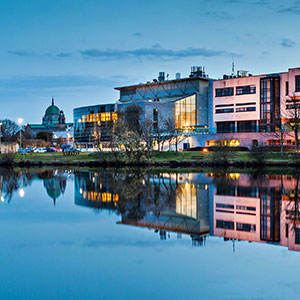
Research & Innovation
University of Galway’s vibrant research community take on some of the most pressing challenges of our times.
-
Business & Industry
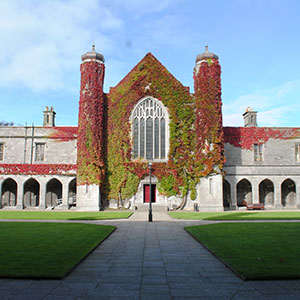
Guiding Breakthrough Research at University of Galway
We explore and facilitate commercial opportunities for the research community at University of Galway, as well as facilitating industry partnership.
-
Alumni & Friends
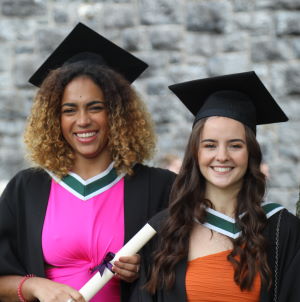
Alumni & Friends
There are 128,000 University of Galway alumni worldwide. Stay connected to your alumni community! Join our social networks and update your details online.
-
Community Engagement
Community Engagement
At University of Galway, we believe that the best learning takes place when you apply what you learn in a real world context. That's why many of our courses include work placements or community projects.
 Accessibility & Language
June
Tuesday, 30 June 2026
Researchers at University of Galway have secured prestigious funding support through the European Research Council (ERC) to progress projects on an AI-assisted clinical support tool and improve next-generation regenerative medicines. The awards are among 182 projects across Europe which have been awarded ERC Proof of Concept grants to explore the commercial or societal potential of their research. One project, iChatRD, will develop a user-centred clinical decision support system for the diagnosis of rare and inherited metabolic diseases. The second project, GeIEV, will develop a new hydrogel technology that could significantly improve the delivery of next-generation regenerative medicine for tissue injury. The European Research Council Proof of Concept scheme is funded under Horizon Europe, the EU’s framework programme for research and innovation. iChatRD has been awarded a grant of €150,000 and will run for 18 months. The AI-assisted, fully transparent clinical decision support tool suggests expert-level rare disease diagnoses from unstructured patient descriptions within seconds. The overall goal of the project is to translate the research prototype into a practical, clinically relevant tool, which is also aligned with regulatory requirements and market needs. The team will develop ChatRD2.0 through best practices in engaged research, working side by side with metabolic disease specialists, paediatricians, and frontline clinicians to ensure the tool is shaped by the people who will actually use it. The project is led by Professor Ines Thiele and Research Fellow, Dr Cyrille Thinnes from the School of Medicine, School of Biological and Chemical Sciences and the Digital Metabolic Twin Centre at the University of Galway. Dr Cyrille Thinnes, University of Galway, said: “For patients with rare diseases, reaching a diagnosis can take years and involve consultations with a dozen or more physicians. This funding gives us the opportunity to turn ChatRD, currently a research tool, into something clinicians can, and want to, use in their daily practice. Our goal is to put a reliable decision support system in the hands of the doctor who sees a patient on day one, not year five. Crucially, every suggestion ChatRD produces is fully explainable, so the clinician can see exactly why a disease was flagged, which we believe is essential for fostering trust in AI-assisted medicine.” Professor Ines Thiele, University of Galway, said: “When exploring avenues for translating our fundamental research on digital metabolic twins into patient-focused applications, we kept encountering a major challenge: the richest clinical information exists as free text: the language of a human, not of a computer. ChatRD bridges this gap, by enabling metabolic modelling and natural language work together to suggest candidate diagnoses for inherited metabolic diseases. The ERC Proof of Concept grant now helps us take ChatRD into the real world, by working directly with clinicians to help shorten the diagnostic odyssey that may burden rare disease patients for years.” The second project, GelEV has been awarded a grant of €150,000 and will run for 18 months. It will focus on the development of a new technology that could significantly improve the delivery of next-generation regenerative medicines for tissue injury. The project aims to validate a novel hydrogel designed to deliver extracellular vesicles (EVs), tiny particles secreted by cells, allowing them to work more effectively. The project is led by principal investigator Dr Meadhbh Brennan and technical lead Dr Hannah Aris from the School of Engineering at University of Galway. Dr Meadhbh Brennan, School of Engineering, University of Galway, said: “By creating a delivery platform compatible with a wide range of EV therapies, the GelEV ERC proof-of-concept project has the potential to accelerate the development of new treatments for tissue injury indications, while supporting the growing extracellular vesicles therapeutics industry.” Ekaterina Zaharieva, European Commissioner for Startups, Research and Innovation, said: “Many of today's innovations begin with a researcher asking a fundamental question. These 182 projects show that curiosity-driven science and real-world impact go hand in hand. With Proof of Concept funding, ERC researchers can test how their discoveries could become new treatments, technologies, services or solutions that benefit people across Europe.” Ends
Friday, 26 June 2026
The Dr Karen Guinee Library at University of Galway is to receive special funding from EBSCO Information Services to support the advancement of renewable energy and sustainability initiatives. The 2026 EBSCO Solar Grant programme is an annual initiative which supports libraries and educational institutions pursuing solar energy projects that reduce environmental impact, lower operating costs and create new opportunities for sustainability education and community engagement. University of Galway is among five libraries and academic institutions across three continents to receive funding as part of the 2026 EBSCO Solar Grant programme to advance renewable energy and sustainability initiatives. The funding will offset the cost of solar panel installation. The installation of solar panels in the Dr Karen Guinee Library builds on University-wide progress that has already seen energy efficiency improve by more than 50% across campus. It also supports the ambitions of the University's Sustainability Strategy 2026–2030, which sets out a vision for a carbon-neutral, nature-positive and healthy university. University of Galway has been recognised nationally and internationally for its sustainability leadership, including ranked #1 in Ireland in the Times Higher Education Sustainability Impact Ratings for the fifth year, as well as top 3 in the EU and top 100 in the world. The University has also renewed its AASHE STARS Gold rating for sustainability. Monica Crump, University Librarian, said: “University of Galway has been recognised as an SDG Ambassador by the Irish government due to our commitment to sustainability and the United Nations’ Sustainable Development Goals. That commitment has been strongly reflected in the design of our new library - the Dr Karen Guinee Library. “We are delighted to have the support of EBSCO Information Services through the EBSCO Solar grant to ensure solar energy is a key component of the sustainability of our new building. We look forward to inspiring our students with the sustainability story of the Dr Karen Guinee Library when we open in 2027.” The addition of solar energy at the Dr Karen Guinee Library will support the University’s ambitious environmental goals and help power a next-generation learning and research space that will serve students, faculty and the wider community for decades to come. EBSCO is a leading provider of research databases, e-journal and e-package subscription management, book collection development and acquisition management, and a major provider of library technology, e-books and clinical decision solutions. Other recipients to share in the total funding package of $300,000 are Black River Falls Public Library in Black River Falls, Wisconsin; Cornwall Public Library in Cornwall, New York; Newburgh Chandler Public Library in Newburgh, Indiana; and Lupane State University in Lupane, Zimbabwe. Ends
Thursday, 25 June 2026
University of Galway has today announced Professor Becky Whay has been appointed Deputy President and Registrar. Professor Whay takes on the role on a permanent basis having served in an interim position since September 2024. The appointment was confirmed by the University’s Governing Authority - Údarás na hOllscoile. President of University of Galway, Professor David Burn, said: “Professor Whay brings a wealth of knowledge and experience to the role of Deputy President and Registrar, along with a deep commitment to University of Galway’s mission and values, having acted in an Interim capacity since September 2024. “Professor Whay has a distinguished academic record as a researcher and educator and having served previously as Vice President International, her understanding of the higher education landscape at home and abroad will be of great benefit.” Deputy President and Registrar, Professor Whay, said: “It is a genuine privilege to be appointed as Deputy President and Registrar here at University of Galway. I look forward to the opportunities as well as the challenges ahead as we work to deliver on our strategy ‘Of Galway – for the World’. I’m absolutely committed to supporting our academics and ensuring the highest standards for our students, as well as being instrumental in the continuing development of our university for the public good.” Bio of Professor Whay As Deputy President and Registrar, Professor Whay is a member of the University Management Team and Academic Council; deputises for the President in his absence; and has overarching responsibility for academic strategy and quality, academic promotions, complex organisational transformation projects and is the University’s sustainability champion. Professor Becky Whay joined University of Galway in 2019 when appointed Vice-President International. In May 2024, she was reappointed to that role for a second term, with much of the focus on leading out on our International Strategy, which is central to the University of Galway Strategy 2030 and on the second phase of the European University Alliance- ENLIGHT. In September 2024, Professor Whay was appointed to the role of Deputy President and Registrar on an interim basis. In this interim role Professor Whay has provided continuity through a period of significant change, has provided leadership for a number of complex projects and has set the direction for the ongoing delivery of flagship successes including maintaining the university’s leading position in sustainability, the building of the new Dr Karen Guinee Library and establishing an Organisational Transformation Office. Professor Becky Whay previously worked at the University of Bristol, which is part of the prestigious Russell Group of universities and is ranked 57th in the world under the QS World Rankings and 5th in the UK for Research. She also held the post of Director of Internationalisation for the Faculty of Health Sciences at University of Bristol, a large, research-intensive faculty supporting the University’s medical, dental and veterinary schools. At the same time, she shared the Head of School responsibilities for Bristol Veterinary School and led the School through a period of substantial change culminating in a successful bid for American Veterinary Medical Association accreditation. Professor Whay has an international reputation for her research into dairy cattle and working equine welfare and works in areas of the world where human animal interdependency is critical to family livelihoods. She was the inaugural President of the International Society for the Study of Lameness in Ruminants and has Chaired the Animal Welfare Science, Ethics and Law Veterinary Association. In 2015, she was recipient of the CEVA Farm Animal Welfare of the Year award. Ends
Thursday, 25 June 2026
D’fhógair Ollscoil na Gaillimhe inniu gurb í an tOllamh Becky Whay atá á ceapadh mar Uachtarán Ionaid agus Meabhránaí. Glacann an tOllamh Whay leis an ról go buan tar éis di a bheith ag feidhmiú ar bhonn eatramhach ó Mheán Fómhair 2024. Dheimhnigh Údarás na hOllscoile an ceapachán inné. Dúirt Uachtarán Ollscoil na Gaillimhe, an tOllamh David Burn: “Bhí an tOllamh Whay ag gníomhú sa ról seo i gcáil eatramhach ó Mheán Fómhair 2024 agus i ngeall air sin tá an-tuiscint agus taithí aici a oirfidh don ról seo, mar aon le tiomantas láidir do mhisean agus do luachanna Ollscoil na Gaillimhe. "Tá iomrá ar an Ollamh Whay sa saol acadúil, mar thaighdeoir agus mar oide araon agus mar gheall ar an tréimhse atá caite aici mar Leas-Uachtarán Idirnáisiúnta roimhe seo, beidh an tuiscint atá aici ar thírdhreach an ardoideachais in Éirinn agus thar lear ina buntáiste mór.” Bhí an méid seo le rá ag an Uachtarán Ionaid agus Meabhránaí, an tOllamh Whay: “Is mór an phribhléid dom é a bheith ceaptha mar Uachtarán Ionaid agus Meabhránaí anseo in Ollscoil na Gaillimhe. Táim ag tnúth leis na deiseanna chomh maith leis na dúshláin atá romhainn agus muid ag obair chun ár straitéis ‘Lonnaithe i nGaillimh, ag freastal ar an Domhan Mór’ a chur i gcrích. Táim go hiomlán tiomanta tacaíocht a thabhairt don fhoireann acadúil agus na caighdeáin is airde a chinntiú dár gcuid mac léinn, chomh maith le ról lárnach a ghlacadh i bhforbairt leanúnach na hollscoile ar mhaithe le leas an phobail.” Beathaisnéis an Ollaimh Whay Mar Uachtarán Ionaid agus Meabhránaí, tá an tOllamh Whay ina ball d’Fhoireann Bainistíochta na hOllscoile agus den Chomhairle Acadúil; déanann sí ionadaíocht thar ceann an Uachtaráin nuair a bhíonn sé as láthair; agus tá freagracht fhoriomlán uirthi as an straitéis acadúil agus as feabhas acadúil, as arduithe céime acadúla, as tionscadail claochlaithe eagraíochta chasta agus is í curadh inbhuanaitheachta na hOllscoile í. Thosaigh an tOllamh Becky Whay ag obair in Ollscoil na Gaillimhe sa bhliain 2019 nuair a ceapadh ina Leas-Uachtarán: Idirnáisiúnta í. I mí na Bealtaine 2024, athcheapadh í sa ról sin don dara téarma, agus díríodh den chuid is mó ar an Straitéis Idirnáisiúnta a stiúradh, atá lárnach i Straitéis Ollscoil na Gaillimhe 2030, agus ar an dara céim den Líonra Ollscoileanna Eorpacha – ENLIGHT. I Meán Fómhair 2024, ceapadh an tOllamh Whay ina hUachtarán Ionaid agus Meabhránaí ar bhonn eatramhach. Sa ról eatramhach seo, thug an tOllamh Whay leanúnachas le linn tréimhse ina raibh athruithe suntasacha ar bun, bhí sí i gceannas ar roinnt tionscadal casta agus leag sí amach an treo fadtéarmach do mhórthionscnaimh ar leith. Ina measc siúd tá seasamh ceannródaíoch na hollscoile san inbhuanaitheacht a choinneáil, Leabharlann nua an Dr Karen Guinee a thógáil agus an Oifig do Chlaochlú Eagraíochta a bhunú. D’oibrigh an tOllamh Becky Whay in Ollscoil Bhriostó roimhe seo, ollscoil atá mar chuid de Ghrúpa ollscoileanna clúiteacha Russell agus atá sa 57ú háit ar domhan de réir Ranguithe QS an Domhain agus sa 5ú háit sa Ríocht Aontaithe le haghaidh Taighde. Bhí post aici freisin mar Stiúrthóir Idirnáisiúnaithe i nDámh na nEolaíochtaí Sláinte in Ollscoil Bhriostó, dámh mhór, dhiantaighde a chuimsíonn scoileanna leighis, fiaclóireachta agus tréidliachta na hOllscoile. Ag an am céanna, roinn sí freagrachtaí an Chinn Scoile i Scoil Tréidliachta Bhriostó agus threoraigh sí an Scoil trí thréimhse inar tharla athruithe móra agus inar éirigh leo creidiúnú a bhaint amach le Veterinary Medical Association Mheiriceá. Tá cáil idirnáisiúnta ar an Ollamh Whay as a cuid taighde ar eallach déiríochta agus ar leas eachaí oibre agus oibríonn sí i limistéir den domhan ina bhfuil idirspleáchas ainmhithe daonna ríthábhachtach don tslí mhaireachtála a bhíonn ag teaghlaigh. Bhí sí ina céad Uachtarán ar an International Society for the Study of Lameness in Ruminants agus bhí sí ina Cathaoirleach ar an Animal Welfare Science, Ethics and Law Veterinary Association. In 2015, bronnadh gradam CEVA uirthi as Leas Ainmhithe Feirme. Críoch
Thursday, 25 June 2026
A major research review of the Disability Act 2005, the State’s principal disability law, has found that it no longer reflects the modern standards for disability rights and requires significant reform to deliver greater accountability, participation and equality. The report was carried out by University of Galway and launched today (Thursday June 25th) at the Irish Human Rights and Equality Commission in Dublin. The review states that reform of disability rights is necessary to align Irish law with the United Nations Convention on the Rights of Persons with Disabilities (UN CRPD). The Disability Act 2005 at 21: Reflecting, Reforming, Reimagining was produced by Professor Shivaun Quinlivan and Dr Charles O’Mahony at University of Galway’s School of Law, with support from the Department of Foreign Affairs’ Communicating Europe Initiative. Drawing on a national survey, stakeholder engagement, and critical legal analysis, the report concludes that the Disability Act 2005 reflects an approach focused more on administrative and policy responsibilities than on legally enforceable rights. The report states that many of the Act’s core provisions remain constrained by weak enforcement mechanisms, limited accountability and the absence of effective remedies where statutory obligations are not fulfilled. It also identifies a number of key reform priorities including: Transforming the Assessment of Need process for disabled people into an enforceable entitlement framework, creating clearer rights to services and supports and stronger accountability for their delivery Strengthening accessibility obligations Updating protections relating to genetic testing and emerging technologies such as artificial intelligence Embedding the principles of the UN CRPD directly into Irish law Professor Shivaun Quinlivan, University of Galway School of Law and one of the authors of the report, said: “The only enforceable entitlement in the the Assessment of Need process, the assessment itself, has failed to deliver the transformation promised in 2005. While the legislation creates a right to assess need, it does not create a corresponding enforceable right to receive the services identified. The result is a framework that frequently records unmet need without remedying it. Long waiting times, resource constraints, litigation, and persistent implementation failures have significantly weakened confidence in the system. “The Programme for Government commitment to reform reflects an acknowledgement that the current framework has not delivered for many disabled people and their families. The question now is not whether reform is necessary, but whether Ireland is prepared to move from a system of administrative discretion for the HSE to one of enforceable rights and accountability consistent with the United Nations approach/standards.” Dr Charles O’Mahony said: “What struck us most throughout this project was not just the scale of frustration with the Disability Act 2005, but the extraordinary clarity, insight, and determination of disabled people and their families about what needs to change. Across the research, the national survey and conference, people spoke powerfully about the gap between rights promised and rights realised, between policy commitments and what living in Ireland as a disabled person is like. Participants in the research spoke with hope, ambition, and a vision for a more inclusive and fair Ireland.” The launch comes at a pivotal moment as a nationwide consultation on the future of the Disability Act 2005 is being conducted by the Department of Children, Disability and Equality, marking the first comprehensive review of the legislation since its enactment more than twenty years ago. It runs until September 9th. The researchers hope the report will serve as a practical resource for disabled people, Disabled Persons’ Organisations, representative bodies, advocates, policymakers, and public bodies preparing submissions to the Government consultation process. Professor Quinlivan said: “The consultation recently announced by Government is an important first step. However, the international evidence and stakeholder feedback gathered through this research project tells us that meaningful reform requires disabled people not simply to be consulted, but to be actively involved in shaping, leading, monitoring, and evaluating the reform process itself.” See here for information on the Government consultation process. The full report The Disability Act 2005 at 21: Reflecting, Reforming, Reimagining is available here. Ends
Wednesday, 24 June 2026
Honey bee researchers have launched a call for citizen scientists to report sightings of wild honey bee nests, beehives and foraging. Are honey bees foraging in your garden? Do you have beehives in or around Galway city? If the answer to either of these questions is yes, or you know of where there are beehives near you, then the team would love to hear from you! There are over 100 different bee species in Ireland with one of those being the honey bee. They are relatively smaller than other bee species and not as ‘fluffy’ as a bumblebee. People are familiar with honey bees being kept in hives by beekeepers but honey bees are a wild species too. More importantly, native wild honey bees are now considered as endangered under the International Union for Conservation of Nature, but wild colonies are a frequent sight in Ireland where they live in cavities, in trees, roofs or walls. Professor Grace McCormack, Galway Honey Bee Research Centre at University of Galway, said: “In Co Galway, to date, we have recorded more than 190 wild colonies, although we know there are likely to be many more. “However, there is a large gap in our knowledge – we do not know how the native wild honey bee and other wild pollinators are affected by managed bees, which live in beehives. We don’t know because we don’t know how many beekeepers there are or where their hives are.” University of Galway has 12 hives in Galway city and is keen to ensure that its beekeeping is sustainable, not adversely impacting wild honey bees, other beekeepers, or other bee species. To better understand how many hives would be a sustainable number, the research team are exploring what other hives might be in the area and where its bees, and other bees, are getting their food. The research team would love to hear from anyone who has any information on: Honey bee apiaries, hives or nest sightings in the area Honey bees feeding on pollinator friendly plants in your gardens or area Professor McCormack added: “The native Irish honey bee, also known as the black bee, is uniquely adapted to Ireland’s climate. However, it is currently under threat from non-native imports, climate change, invasive species and a lack of resources such as food and nesting space. “This research is important as it will provide a clearer understanding of honey bee and pollinator activity in Galway, to help us develop conservation measures and sustainable management strategies for apiaries that can be applied within Galway and nationally.” All information provided will be kept confidential. To submit sightings and queries, please contact Pamela Madigan at P.Madigan1@universityofgalway.ie or 087 4474811 or Professor Grace McCormack at grace.mccormack@universityofgalway.ie or 086 0227227. Ends
Wednesday, 24 June 2026
New Sustainability Strategy targets carbon-neutral, nature-positive and healthy campus University of Galway has cemented its position as a global leader on sustainability impact, retaining its place as No.1 in Ireland, third in the European Union and top 100 in the world for the fifth year in a row. The Times Higher Education Sustainability Impact Ratings 2026 rank University of Galway ahead of all the universities in Ireland for performance on the United Nations Sustainable Development Goals. More than 1,600 institutions from 116 countries are ranked in the THE Sustainability Impact Ratings 2026. It placed the University at 68th in the world and 3rd in the EU. University of Galway has been Ireland's leading university for sustainability for five years. To mark the achievement and as Ireland prepares to take over the Presidency of the European Union next week, the University launched its new Sustainability Strategy 2026-2030, setting out the next phase of its sustainability ambitions, at a special meeting of the ENLIGHT European University Alliance in Galway. Professor Becky Whay, University of Galway Deputy President and Registrar, said: “At University of Galway, sustainability is central to our purpose and identity. It shapes how we teach, learn, research, operate and engage. We aim to lead the transition to a sustainable future and foster the next generation of leaders and innovators to tackle global challenges. The University of Galway Sustainability Strategy 2026-2030 builds on a decade of institutional commitment and leadership, setting a renewed direction for a carbon-neutral, nature-positive and healthy university with a focus on education for sustainable development. It reflects our belief that universities have both the capacity and the responsibility to lead transformative change for people and planet.” Dr Richard Manton, Director of Sustainability at University of Galway, said: “As we launch our third sustainability strategy, we are very proud to once again be ranked as Ireland’s top university for performance on the Sustainable Development Goals. As recognised in SDG 17, partnership for the goals, we will only achieve our sustainability objectives by working closely with our partners on campus, in our city and across our region. I would like to thank our 100-person Community University Sustainability Partnership for developing the new strategy and for driving our sustainability efforts for the past 11 years.” The Times Higher Education Sustainability Impact Ratings 2026 recognise University of Galway for particularly strongly performance on Responsible Consumption and Production (SDG12), where it is ranked 8th in the world. Other strengths are 23rd for Partnerships for the Goals (SDG17), 48th for Good Health and Wellbeing (SDG3) and 58th for Clean Water and Sanitation (SDG6). The new Sustainability Strategy at University of Galway sets out an ambitious vision for a carbon-neutral, nature-positive and healthy campus, underpinned by a Learn-Live-Lead model, connecting education, research and operations to real-world impact. There are 10 areas of focus in the strategy: research and innovation, teaching, learning and assessment, energy and buildings, nature and ecosystems, procurement, travel, circular economy, health and wellbeing, engagement and leadership, and governance and reporting. Key targets and actions include: Embedding sustainability competencies in all educational programmes at the University Achieving Green Lab certification for all labs on campus Reducing greenhouse gas emissions by 75% by 2030 and moving ambitiously towards carbon neutrality Securing Gold in the NTA Smarter Travel Mark Implementing a new biodiversity action plan for a nature positive campus Building on the successful elimination of single-use cups, removing remaining single-use plastic catering items Achieving Platinum rating in the Sustainability Tracking, Assessment and Rating System (STARS) The Sustainability Strategy 2026-2030 is available at www.universityofgalway.ie/sustainability/strategy Ends
Tuesday, 23 June 2026
University of Galway has officially launched its new Institute for Creativity, a major strategic initiative that aims to harness culture and creativity on Ireland’s western seaboard. The new Institute will forge next-generation collaborations between art and science, and research, policy, and industry - working across all disciplines in the University from life science to business and law, from engineering to the natural sciences. As AI reshapes the way we interact with all sectors of society, the Institute for Creativity celebrates the University’s legacy as an important partner in the creative ecosystem regionally and nationally and puts artistic intelligence to the fore in developing alternative solutions to the world’s most complex problems. The new Institute will support and enhance research already underway in the University while driving new projects at the intersection of creativity and technology that are rooted in arts-based practice. Key areas of focus for the Institute for Creativity Lead research in the role of art and culture in fostering and driving sustainable development in rural and remote areas, alongside working with Galway’s globally renowned creative sector. Rethink and revalue the important relationship between art and culture, and health and wellbeing. Conduct experimental research to promote cultural and linguistic diversity as a competitive advantage for Ireland and Europe. The Institute for Creativity will also be home to University of Galway’s popular 'Arts in Action' programme, which welcomes students and staff, and visitors from outside the university to engage with a broad and varied programme of artistic events. The formal launch took place as part of the 2026 International Forum on Artistic Research, the largest-ever conference on practice-based artistic research, bringing together more than 300 international practitioners, scholars, researchers and policymakers at University of Galway from June 23-26. The Forum is part of The Society for Artistic Research (SAR), a network that promotes and disseminates artistic research practices and findings across disciplines and contexts. President of University of Galway, Professor David Burn said: “I am delighted to officially launch our new Institute for Creativity as part of this important conference on practice-based artistic research. Galway’s vibrant creative sector is globally connected - empowered by contemporary creative practice and innovative technologies. Our university is at the heart of this activity, exploring the links between creativity, teaching, research, and the wider world, while being rooted in the local community to create spaces where ideas can thrive. “Creativity, Culture and Society, Transformative Data and AI, and Innovation for Health are three key pillars in our strategic plan, Of Galway, For the World. These pillars reflect and support the vision of the Institute for Creativity. We will work together to ensure the extraordinary talent, creativity and opportunity we have here will continue to enable close collaboration on research and student engagement in the creative arts.” Professor Florian Schneider, Director of the Institute for Creativity said: “The future of innovation lies at the intersection of creativity and technology. But Creativity is not just for the creative arts: the Institute will research creativity as a general condition that reshapes the manifold relationships across all faculties of knowledge. “Unlocking this creative potential is particularly urgent for Galway and for the West of Ireland as a creative hub, and equally significant at national and European levels.” Professor Rebecca Braun, Executive Dean, College of Arts, Social Sciences and Celtic Studies, said: “The College of Arts, Social Sciences and Celtic Studies is delighted to be home to the new Institute for Creativity, supported by its thriving research community. An arts degree provides a solid foundation for creativity in many areas of life well beyond the creative arts yet arts and culture, heritage and creativity can play a key role in facilitating and driving new collaborations by bringing people together that would not otherwise meet. “In a world rocked by social and political unrest, and a digital revolution, we need cross-disciplinary, collaborative research that cuts across sectors, generations and disciplines. The Institute for Creativity will be a beacon for collaborative research and innovation, and societal impact at local, national and international levels for the University of Galway.” Ends
Monday, 22 June 2026
Palestinian scholar, writer and entrepeneur to share her family's story through exhibition and keynote address University of Galway will host a four-day exhibition exploring daily life in Gaza through personal testimony, photography, video, letters and children's artwork. The exhibition centres on the experiences of Palestinian entrepreneur, writer and public speaker Shirene Yaseen, whose family remains in Gaza. The Lived Experience of Gaza runs from Wednesday July 1st to Saturday July 4th from 9am to 6pm in An Dánlann, the University of Galway Art Gallery in the Quadrangle. Shirene Yaseen will travel from her base in Doha, Qatar, to open the exhibition and deliver a special address in the Michael D Higgins Auditorium in the Quadrangle of the University on Friday July 3rd at 10am, sharing her family's experience of survival and displacement. The event will be followed by a peace panel exploring what institutional protection means for human dignity and what its absence costs. Through personal accounts and visual materials, the exhibition documents the realities of displacement, disrupted education, limited access to healthcare and the challenges facing families living amid the ongoing conflict and humanitarian crisis. It asks whether the silence since the ceasefire reflects the actual situation in Palestine, or whether the world has simply stopped paying attention. This event is part of the Thinking Beyond thought leadership series hosted by the J.E. Cairnes School of Business and Economics at University of Galway. Admission is free and please register here. Funding for the project was secured through the University of Galway Sustainability Engagement Fund. Shirene was five years old in 2000 when she first witnessed someone being killed. She has lived through more than seven wars since. Her story is not one that began in October 2023, it is the story of a lifetime. Since the most recent conflict began, Shirene’s family have been displaced nearly 20 times. They continue to live without functioning healthcare, schools, safety, and certainty of where they will sleep. Shirene left Gaza and cannot go back, and her family cannot leave. Shirene Yaseen said: "Gaza has become unliveable, but the world has moved on. I carry a deep helplessness because I left and they cannot. I want people to understand that this is not over. My family is fighting to survive every day, and they deserve to be seen." Sophie Sweeney, Lecturer at the University of Galway and organiser of the exhibition, said: “There is a world of difference between following a conflict in the news and hearing directly from someone living it. When I met Shirene, I knew this story had to come to Ireland. We have a long tradition of standing with displaced communities, and this felt like something our university and city should be part of.” Among the stories featured in the exhibition is that of Shirene's sister, who gave birth on a staircase in the dark without medical assistance. The destruction of schools has left Shirene's nieces and nephews without access to education, and her family no longer have a home to return to and have been forced to move repeatedly, carrying only what they can. Since the ceasefire, Gaza has largely fallen out of the headlines. Yet many of the institutions that people depend on for healthcare, education, safety and justice remain severely damaged or non-functioning. Organisations, businesses, community groups and individuals interested in supporting the exhibition through sponsorship, promotion, volunteering or related activities are invited to contact Sophie Sweeney at sophie.sweeney@universityofgalway.ie For further information visit Thinking Beyond - Lived Experience of Gaza Ends
Wednesday, 17 June 2026
University of Galway has celebrated the achievements of 239 primary school pupils from six schools at its annual Uni4U end-of-year celebration. The Uni4U programme is outreach initiative led by the University's Access Centre that gives primary school pupils an introduction to university life and the opportunities that higher education can offer. Pupils from six schools in Galway city took part - Radharc na Mara, Scoil Bhríde, Scoil Chroí Íosa, Merlin Woods, Mercy Primary School and Scoil San Phroinsias. Over a six-week period, they visited the University campus one day each week to participate in workshops delivered by University staff and external partners. Activities included economics, engineering, chemistry, philosophy, law, zoology, palaeontology, computer coding, broadcasting with Flirt FM, art, careers and sport. The students also took part in campus tours and visits to the Computer Museum and the Mincéirs Archive in the University Library. This year marked the first participation in Uni4U by pupils from Scoil San Phroinsias in Tirellan Heights. Louise Duane, teacher at Scoil San Phroinsias, said: “The Uni4U programme has been extremely beneficial for our pupils. The engaging, hands-on activities provided valuable insights into a range of disciplines and gave the children a broader perspective on college life and future career opportunities." Speaking at the event, Professor Becky Whay, Interim Deputy President and Registrar, University of Galway, said: "Creating pathways to higher education begins long before a student submits a university application. Through Uni4U, University of Galway is helping young people to engage with higher education from an early age, building aspirations, confidence and a sense of belonging. “As a university with a strong civic mission, we work in partnership with schools and communities to broaden access to educational opportunity. Uni4U is a powerful example of that commitment in action." Throughout the programme, the pupils worked closely with Uni4U mentors, who are current University of Galway students involved with the Access Centre through disability support services, Access Programmes and the University's care-experienced support service. The celebration brought together pupils, parents, teachers, mentors and University staff. During the celebration, sixth-class pupils shared reflections on their experiences and what they learned during their time on campus. Each sixth-class pupil received a Uni4U certificate and hoodie in recognition of their achievements and participation. Dr Mary Surlis, Senior Academic Manager, for University of Galway’s Access Centre, said: "Over the past six weeks, pupils have embraced every opportunity to learn, explore and try something new. Their enthusiasm, curiosity and confidence have made the programme a pleasure to deliver. Uni4U is about helping young people feel that they belong in a university environment, and we hope the experience has inspired them to think positively about their future." For more than 25 years, Uni4U has formed part of University of Galway's commitment to widening participation in higher education. Through hands-on learning experiences and regular engagement with staff and students, the programme encourages young people to explore future education pathways and experience university life in a welcoming and supportive environment. Ends
Tuesday, 16 June 2026
BrainForecast aims to transform concussion recovery through predictive analytics and personalised rehabilitation A new healthcare innovation that aims to predict which concussion patients are most at risk of prolonged recovery has been unveiled at the 2026 BioInnovate Ireland Symposium in Galway. Developed during the BioInnovate Ireland programme at University of Galway, and supported by Enterprise Ireland, BrainForecast is an AI-powered digital health solution designed to address one of the most significant challenges in concussion care: identifying which patients with mild traumatic brain injury are likely to develop persistent symptoms and require additional support. The innovation was presented by Conor Connolly and Ciaran O'Sullivan, members of the BrainForecast team as part of the annual BioInnovate Symposium. Public awareness of traumatic brain injury has grown significantly in recent years, particularly through research exploring the long-term impacts of concussion and the links between repetitive head injuries and chronic neurological conditions. However, while sports-related injuries often dominate headlines, the majority of mild traumatic brain injuries occur outside organised sport and affect people of all ages. Conor Connolly, current BioInnovate Fellow said: “Following extensive engagement with clinicians, researchers and international experts, we identified a critical challenge in current care pathways: while most patients recover fully, approximately one in three will experience Persistent Post-Concussion Symptoms, affecting their quality of life for months or even years. The goal is to identify high-risk patients earlier, support clinical decision-making and enable more personalised rehabilitation strategies.” BioInnovate is supported under the Innovators’ Initiative Programme Co-funded by the Government of Ireland and the European Union through the Northern and Western Regional Programme 2021-2027. This year marks the 15th year of BioInnovate, an internationally recognised needs-led healthcare innovation programme that contributes to the development of new healthcare technologies, companies and clinical solutions in Ireland and internationally. Dr Sinéad Walsh, Programme Director of BioInnovate Ireland, University of Galway, said: “The BioInnovate process begins by identifying unmet clinical needs and empowering multidisciplinary teams to develop solutions that can transform patient care. BrainForecast is a powerful example of this in action. We congratulate all the Fellows on their remarkable progress and acknowledge the clinical champions, mentors, and all those who have supported and guided them on their journey so far." BrainForecast is one of several innovations presented by the BioInnovate Class of 2026 during the symposium. The projects reflect the breadth of unmet healthcare needs identified through BioInnovate's clinical immersion process, ranging from improving fluid management for heart failure patients and enhancing ostomy care, to reducing postoperative scar tissue formation following knee replacement surgery to improve range of motion and reduce joint stiffness. The symposium theme, From Patient Data to Better Care: Scaling AI in Health Systems, brought together clinicians, entrepreneurs, investors, industry leaders and healthcare innovators to explore how emerging technologies are transforming healthcare delivery and patient outcomes. Ends
Tuesday, 16 June 2026
The Irish Universities Association (IUA), representing Ireland’s seven research intensive and enterprise engaged universities, has called on Government to deliver for the sector and for the future of Ireland’s society and economy in Budget 2027. Government agreed in 2022 that the sector was underfunded by over €300m annually. Four years on, despite massive increases in spending elsewhere, the gap is still substantial - €133.5m of the original annual deficit remains compounded by emerging pressures on student numbers and pay awards. This is a time for sustained investment in education, at a time when geopolitical turmoil and technological change mean Ireland’s knowledge economy is more important than ever. In its pre-budget submission, presented to Minister Lawless on 15 June and sent to the Taoiseach, Tánaiste, and Ministers Chambers and Burke, the IUA is therefore calling for: €190m annual increase in Core Grant funding to tackle under-investment and meet unavoidable cost increases in 2027; €250m over 5 years in capital spending to upgrade universities’ digital Infrastructure, to provide teaching and research at the cutting edge of AI; €475m over 4 years in capital spending to Decarbonisation our university estate and create fully sustainable campuses; The unlocking of the National Training Fund (now almost €2bn) to allow universities to provide the lifelong learning, upskilling and reskilling Ireland needs. Paul Johnston, Director General of the IUA said: “These are big numbers, but there are huge opportunities here, which we risk missing. Ireland is rightly proud to have one of the highest percentages of third level educated citizens in the world. This is a necessity, not a luxury. Ireland’s only natural resource is its people. And highly educated and skilled workers and citizens are at the core of Ireland’s future. Budget 2027 is thus the time for Government to invest in our leading universities, to allow them to meet their full potential in both teaching and research, to ensure that our graduates continue to meet the demands of a rapidly changing society. “Government has acknowledged a €307m annual underfund in higher education, and Budget 2027 is the time to show decisive progress in their commitment to address it. There is a clear choice on Budget day: act decisively to close the funding gap, supporting students of all ages, or risk eroding the capacity, quality and competitiveness of our third-level sector. “An increase in the Core Funding grant of €190m will be an important step, addressing legacy funding deficits across the sector and will support the sector in continuing to cater for increased enrolments arising from demographic growth. This will support an additional 550 academic posts, having an immediate impact on not only the quality of teaching, learning and research, but also on student experience. “Investment in digital infrastructure and decarbonisation will allow universities to provide students the rapidly evolving skills they need to thrive, but also to keep pace with our obligations under the Climate Action Plan. “Technology is changing what education looks like in real time. We need to accelerate the shift towards lifelong learning, up-skilling and re-skilling. Unlocking the National Training Fund (NTF) is absolutely crucial to allow universities to respond proactively to the rapidly changing needs of employers, businesses and students. IBEC and ISME are making similar demands of government. “Ireland’s universities are known worldwide for the quality of teaching, research, and that of our graduates. We cannot take this for granted, and we cannot maintain these standards without proper investment and support. Last year’s budget saw welcome capital investment in new infrastructure for research. But infrastructure (human as well as physical) is needed to keep our universities at the cutting edge of teaching and research, to the benefit of Irish society and the economy. The higher education sector has been waiting too long for this investment, and Budget 2027 is the right time to do so.” Ends
Monday, 15 June 2026
More than 400 students were awarded degrees, diplomas and certificates at University of Galway's 2026 Summer Conferring ceremonies, including 105 new Doctor of Philosophy (PhD) graduates. The ceremonies celebrated academic achievement across a broad range of disciplines and marked the culmination of years of study and research for graduates and their families. The largest cohort was the 182 medical students who were awarded an Honours Bachelor of Medicine, Bachelor of Surgery and Bachelor of Obstetrics (MB, BCh, BAO). During the conferring ceremony, nine graduates were awarded a total of 15 Final Medical Medals by the University’s College of Medicine, Nursing and Health Sciences. Speaking at the ceremonies, President of University of Galway, Professor David Burn, said: “Graduation is one of the most meaningful moments in the university year. It reflects not only the dedication and resilience of our students, but also the commitment of their families and our staff who have supported them throughout their studies. As they move forward, I wish them every success as they take the next steps in their careers and lives.” Ends
Friday, 12 June 2026
University of Galway has celebrated the success of one its oldest ever graduates who was conferred with a Doctor of Philosophy, 77 years after being born in a mother and baby home. Dr Mary Harney, a human rights defender and advocate, earned her PhD studying with the Irish Centre for Human Rights. Dr Harney said: “It is an absolute milestone. It’s more than that. All I have ever wanted in my life is education. To me it’s the most important thing in the world. “To achieve it at this stage - the final part of the jigsaw puzzle… I started my BA when I was 42, I am 77 now. I have come all this way. I’ve got two masters, an honorary Master in Phil and now the PhD. Now for me, I’d like to say the circle has been complete, but I think there is more. I am hungry for more but I do not know what that more is, yet. Professor Becky Whay, Interim Deputy President and Registrar of University of Galway, officiated at the conferring ceremony and said: “It is a privilege to share a stage and, on behalf of University of Galway, to bestow a doctorate on Mary Harney. She is an inspiration to all of us in the university and a remarkable symbol of the value of education.” Dr Maeve O’Rourke, Senior Lecturer in the Irish Centre for Human Rights and Dr Harney’s PhD supervisor said: “We are so proud of Mary’s achievement. She is an inspiration to all of us in the Irish Centre for Human Rights and to human rights defenders globally.” Professor Siobhán Mullally, Director of the Irish Centre for Human Rights at University of Galway, said: “Mary completed a brilliant PhD thesis on human rights movement lawyering, following on from a first class honours LLM degree in International Human Rights Law. Her remarkable story, and her combination of scholarship and activism, reflects the very best of what human rights education is about in today's troubled world.” Asked whether she had any advice for survivors or advocates, Dr Harney said: “Find a support group. If there isn’t one already out there, create one. The power of meeting with disenfranchised people and becoming part of that group as opposed to being apart from it, I think that is one of the most important things. We cannot support just by waving flags and protesting. We have to get out boots on the ground and work together with the people that are going through this very traumatic time in our world and we have to have solidarity on that. We cannot do it if we are all divided.” Dr Harney’s doctoral thesis was on the topic: "Towards Best Practices in the Pedagogy of Human Rights Clinics: Movement Lawyering, its Emotional Impacts on Students and the Question of Teaching Resilience". Described by colleagues in the Irish Centre for Human Rights as the “resister in chief” and a renowned human rights activist and student, Dr Harney holds a BA in Human Ecology and an Honorary Master’s Degree in Philosophy from the College of the Atlantic in Maine, USA. She also has two postgraduate degrees from University of Galway: an MA in Irish Studies and an LLM in International Human Rights. Dr Mary Harney was born in Bessborough Mother and Baby Home, in Cork. Her inspirational life story is featured in the award winning documentary "Testimony’ (2025), which follows the lives of various Irish citizens who were incarcerated in Ireland’s notorious institutions for unmarried women and their children. Testimony was the recipient of the 2025 ICCL Human Rights Film Award. The ceremony took place at University of Galway's 2026 Summer Conferring, where more than 400 students were awarded degrees, diplomas and certificates including 105 new Doctor of Philosophy (PhD) graduates. Ends
Thursday, 11 June 2026
Minister for Education and Youth Hildegarde Naughton T.D. has today officially opened an international conference on youth participation hosted by the UNESCO Child and Family Research Centre at University of Galway. The two-day event brings together stakeholders from practice, policy, research and academic communities, particularly those working in youth work, child protection and welfare, community development, and education sectors to focus on genuine power sharing with children and young people. Galway-based Minister for Education and Youth, Hildegarde Naughton T.D., said: “I am delighted to open this important international conference on youth participation. Children and young people have a right to be heard and to have a meaningful role in shaping the decisions that affect their lives. This conference provides an invaluable opportunity to share ideas and learn from national and international experience on how we can move beyond consultation towards genuine partnership with young people. By empowering young people to contribute to policy, research and practice, we can build more inclusive, responsive and sustainable communities for the future.” Professor John Canavan, Chair of UNESCO Child & Family Research Centre at University of Galway, said: “The conference recognises young people as key stakeholders in a global world undergoing huge and rapid transformation – in the not distant future, they will either benefit from, or suffer the consequences of social and political choices being made now. It is critical that they are included in these decision-making processes.” A keynote speaker at the conference, Raphael Denis, a Tanzanian youth participation practitioner at Citizens for Change, said: “Too many systems still treat young people as voices to be heard, rather than partners in shaping change. The shift we need is not just more participation, but more power; trusting young people as co-researchers and co-producers of knowledge. It’s time for this shift to be made more practical, and this conference is a step towards that direction.” The two-day conference, under the heading - Shifting Power: New Frontiers in Youth Participation – takes place at University of Galway on June 11th and 12th. This year’s theme reflects the growing global emphasis for children and young people to participate in decisions that affect their lives and it also recognises Ireland’s place among the leading countries on child and youth consultation and engagement, as noted by the OECD. Among the specially curated events is “From Talk to Track”, a live music lab hosted by Kabin Crew Teens, the youth-led creative hub based in Knocknaheeny, Cork. They will deliver a live youth-led songwriting, recording, and performance process in response to the themes and insights from the conference with the aim of creatively translating conference learning, exploring themes such as power-sharing, participation, equity, inclusion, and the role of adult allies through music and collaborative creativity. The conference will also showcase national and international experiences from a range of participation structures including youth councils, advisory groups, consultation bodies, co-produced and participatory action research initiatives across a range of educational, youth work and child welfare settings. Participants will be invited to identify practical pathways for impact within their own professional contexts. Key insights and participant perspectives gathered will be disseminated and used to inform future engagement with policymakers, practitioners, and other key audiences, supporting the advancement of more effective and inclusive youth participation strategies. Ends
Wednesday, 10 June 2026
University academics and researchers to partner on all seven new national research network ‘Rinn’ centres University of Galway is to lead the new €64.5 million Rinn Medical Devices Centre, part of the enhanced national research network established by Research Ireland. The announcement is part of an overall Government investment of €460 million in seven new Rinn centres, aimed at strengthening Ireland's coordinated national research system. University of Galway will partner on all seven Rinn research centres - one of only three institutions to do so. The announcement was made today by the Minister for Further and Higher Education, Research, Innovation and Science, James Lawless T.D. Professor David Burn, President of University of Galway, said: “Government investment of this scale, in this new initiative recognises the vital role of research and innovation in addressing pressing societal and economic priorities for Ireland and globally. Our leadership of Rinn Medical Devices, and partnering across all seven research centres, demonstrates the depth of research excellence in University of Galway, and reflects the scale of our success in the fields of medical devices and new healthcare therapies over the last decade as well as our excellence in energy, AI and quantum science. “The Rinn Centres align closely with three of our research pillars - Innovation for Health; Sustainable & Resilient Environments: Earth & Ocean; and Transformative Data & AI; providing an exciting foundation for greater partnership across institutions, industry, community and the public sector.”University of Galway will lead Rinn Medical Devices research centre, focused on developing medical device innovations that address the chronic conditions most associated with ageing. The centre Director is Professor Abhay Pandit. The University will be a major partner in four new Rinn centres: Rinn Artificial Intelligence - a national hub to advance research and innovation in data science and AI. The Galway lead is Professor Edward Curry, Data Science Institute and School of Computer Science. Rinn Advanced Therapies, which will advance the development and manufacturing of personalised cellular immune therapeutics. The Galway Deputy Director is Professor Aideen Ryan, School of Medicine. Rinn Energy, which will drive energy system decarbonisation through a world leading research programme. The Galway leads are Professor Rory Monaghan (Deputy Director), School of Engineering and Professor Frances Fahy, Ryan Institute, College of Arts, Social Sciences and Celtic Studies. Rinn Quantum, which aims to establish Ireland as a global leader in quantum science. The Galway Deputy Director is Professor J-C Desplat, Irish Centre for High-end Computing (ICHEC). University of Galway academics and researchers will also partner in Rinn Pharma and Biopharma, and Rinn Semiconductors. Aengus Parsons, Interim Vice-President for Research and Innovation, University of Galway, said: “Out of 17 research performing organisations, the University of Galway is one of only two to partner across all seven Rinn centres. This uniquely positions us to support interdisciplinary collaboration and maximise the impact of this national investment.” The Rinn Medical Devices centre, led by Professor Abhay Pandit, will focus on advancing innovative solutions to support healthy ageing and address major health challenges through cutting-edge research and collaboration. Supported by an investment of €64.5 million, the centre will build on over a decade of pioneering research and clinical breakthroughs from the CÚRAM Research Ireland Centre for Medical Devices, which was established in 2015, and will further consolidate Galway’s position as a leading global medtech hub. Professor Abhay Pandit, Director of Rinn Medical Devices, University of Galway, said: “Anchored within a dynamic ecosystem of researchers, clinicians, industry partners and innovators, Rinn Medical Devices will accelerate the translation of research into real-world health solutions and drive innovation in medtech from Galway to patients worldwide. At every step, patient voices, experiences, and priorities shape what we do and how we do it, ensuring that the devices we develop are not just scientifically sound, but genuinely meaningful to the people they're designed to help.” The seven national Rinn Centres commence operations in July 2026 and will run for eight years. The centres have support from more than 200 industry partners, comprising over 100 multinational corporations and almost 100 SMEs. The Government initiative will directly enable multidisciplinary collaboration across 17 research-performing organisations and support 577 researchers and 800 PhDs. Ends
Wednesday, 10 June 2026
Professionals looking to future-proof their careers and explore flexible learning opportunities are invited to the annual Adult Learning information evening at University of Galway. The event will showcase a wide range of part-time and flexible study opportunities, including Microcreds and Springboard+, designed to help professionals upskill, reskill and advance their careers in today’s rapidly evolving employment market. Hosted by the Centre for Adult Learning and Professional Development, the information evening takes place on Wednesday, June 17th from 5.30pm-7.30pm in the Orbsen Building on the University’s south campus. One of the featured talks will explore the impact of AI on the future of work and employment trends, offering valuable insights into the changing skills landscape and emerging career opportunities. Attendees will meet course representatives and learn more about part-time courses across a range of high-demand sectors, including Business and Management, Science and Technology, Advanced Manufacturing, Languages, and pre-university courses. The event will also introduce the University’s newly developed Diploma Series in Advanced Manufacturing. These interdisciplinary courses are tailored for professionals from science and engineering backgrounds, particularly those working in MedTech and engineering sectors. Focused on digitalisation, sustainability and smart manufacturing, the courses are designed to align with evolving industry needs and future workforce demands. Nuala McGuinn, Director of the Centre for Adult Learning and Professional Development, University of Galway, said: “As skills needs continue to evolve across many sectors, our University is committed to offering relevant, high-quality part-time courses that support lifelong learning and equip individuals and employers with the expertise needed to thrive in a rapidly changing economy. “This information evening provides an excellent opportunity for adult learners to explore flexible learning pathways that can help them advance their careers and respond to changing workplace demands.” The University’s growing portfolio of Micro-credentials will also be on show - short, flexible, accredited courses designed to deliver targeted, industry-relevant skills and knowledge in a focused timeframe. Developed in response to industry needs, these courses support professional development and career progression while allowing learners to balance study with work and personal commitments. An 80% fee subsidy is currently available for selected micro-credentials. Information will also be available on Springboard+ opportunities for 2026/27, including fully funded courses for unemployed learners and returners, as well as 90% funding for those currently in employment who wish to upskill. Courses are available in areas such as Artificial Intelligence, Cybersecurity, Software Development, Construction, AgInnovation, Medical Technologies Regulatory Affairs, and Creative Technologies. The event is free. To register to attend and for more information visit: universityofgalway.ie/adultlearning/info_eve Ends
Wednesday, 10 June 2026
Ireland must shift from monitoring coastal erosion as a physical process to establishing the urgent legal and financial mechanisms required to relocate homes and infrastructure, according to new research from University of Galway. The working paper published today by the Climate Change Advisory Council moves beyond the science of coastal change to provide the first comprehensive roadmap for a national Coastal Change Adaptation Framework. Entitled ‘Managing Coastal Risks in Ireland: Towards strategies that integrate planned coastal relocations,’ the report identifies potential policy levers, zoning tools, and funding structures needed to carry out the planned relocation of people and critical assets (residential and commercial properties, roads, bridges, rail lines, ports and harbours, telecommunication networks, or utility plants) away from at-risk zones. The working paper highlights that the scale of the threat from coastal erosion is immense. It notes a survey of eight local authorities which identified 2,279 properties and 570km of roads at risk. These numbers are projected to jump to 4,446 properties by 2050, a figure that will rise substantially once all local authorities covering 19 coastal counties report their data. The paper argues that while erosion is an inevitable natural process, the current lack of a binding framework for retreat has left the State in a cycle of ad hoc reactive engineering and unmanaged loss. To protect current and future generations, the Government must now prioritise the creation of a masterplan that operationalises how - and not just why - coastal communities will move to safety. Dr Eugene Farrell, Associate Professor at University of Galway and lead author of the report, said: "The core issue is accountability and action. Governments and communities cannot continue to frame today’s coastal erosion crisis as an unforeseeable outcome. The science has been clear for decades, and the warnings were widely available. What is required now is decisive remedial and adaptive action. Implementing 'planned relocation' from eroding coastlines is not optional - it is an essential responsibility of present governance." The findings address targets in the Report of the Inter-Departmental Group on National Coastal Change Management Strategy 2023; policy objectives in the 2025 National Planning Framework; and the recommendations The Just Transition Commission of Ireland 2025 report which highlights the need to move beyond reactive policymaking and embrace long-term, structural change, to ensure fast and fair climate action with lasting benefits for future generations. The working paper outlines a series of actions for Government to consider to respond to the increasing risks associated with coastal erosion that will require houses, roads and other infrastructure to be relocated: New legislation addressing coastal change and planned relocation Consistent coastal planning and zoning guidance at a national level Comprehensive, high-resolution coastal risk data A national framework for funding and compensation for relocation Clear governance structures and well-defined roles for all agencies Substantial investment in technical capacity within local authorities to manage relocation Robust community engagement to support meaningful dialogue around relocation Dr Farrell added: "Planned relocation is often framed as a 'last resort,' but it should be viewed as a valid strategic shift when defending homes or roads becomes unsustainable. "By planning for the strategic movement of people and infrastructure early, we can reduce exposure to extreme events, lower long-term costs, and build community resilience." Further observations in the working paper: - Coastal management should prioritise a proactive, managed retreat strategy, with erosion recognised as a natural process essential for sustaining coastal environments like beaches and dunes. Selective protection should be maintained for high-value urban areas, however, rural homeowners cannot simply be left to "be washed away". - Relocation should be viewed through a human rights lens and fundamentally as a public health and social justice priority. Relocation with community participation and fair compensation, can improve long-term wellbeing; without it, the risk of deepens of social inequalities and causing mental health trauma. - Humanitarian aid, equivalent to previous approaches used for river flooding, is required for coastal erosion. However, relying on reactive emergency funding is unpredictable whereas a long-term strategy for coastal relocations enables the Government of Ireland to plan proactively and allocate public funds money more efficiently as climate impacts worsen. - Mandatory natural hazard disclosure in property transactions, similar to a scheme in California and being progressed in England, where a prospective buyer would be formally notified if a home falls within a projected erosion or flood risk zone. - Coastal infrastructure required to service offshore renewable energy including ports and transmission networks must be designed with climate adaptation and long-term coastal change in mind. The working paper, compiled by Dr Eugene Farrell with technical support from MKO planning and environmental consultants, was commissioned by the Climate Change Advisory Council. It integrates a desktop review of international case studies and interviews with practitioners and policymakers. The full paper 'Managing Coastal Risks in Ireland: Towards strategies that integrate planned coastal relocations' can be viewed here. Ends
Monday, 8 June 2026
University of Galway’s J.E. Cairnes School of Business and Economics has been recognised among the top 1% of business schools worldwide after achieving a prestigious triple crown of international accreditation. The J.E. Cairnes School of Business and Economics is among an elite group of business schools in the world after securing the three most rigorous and internationally recognised quality standards in business education - EQUIS accreditation by the European Foundation for Management Development; Association to Advance Collegiate Schools of Business (AACSB) and Association of MBAs (AMBA). Professor David Burn, President of the University of Galway, said: “Achieving triple crown accreditation marks an important milestone for J.E. Cairnes School of Business and Economics and for the University as a whole. This recognition reflects the School’s consistent engagement with industry and society, and its commitment to delivering education that is relevant, impactful and rooted in the needs of our region, while also contributing on a global stage.” Professor Alma McCarthy, Executive Dean of the College of Business, Public Policy and Law, added: “This achievement belongs to the entire School community, whose shared focus on high-quality teaching, impactful research and meaningful engagement has made it possible. For our students, it is a signal that their education stands alongside the best in the world, and that we will continue to challenge ourselves to deliver an academic experience that is dynamic and relevant in an evolving global business landscape.” Professor Karena Yan, Dean of J.E Cairnes School of Business and Economics, added: “This achievement recognises the staff, students, alumni, and industry partners who have built the School. To stand among the global top 1% of business schools is pride and responsibility in equal measure. It speaks to the rigour of our scholarship, our leadership in sustainability, and our public good commitment.” The EQUIS accreditation recognises the commitment of the J.E. Cairnes School of Business and Economics to word class teaching, research and real-world impact. It involves a rigorous peer-review process across a broad range of criteria including academic quality, governance, research, ethics, sustainability, internationalisation and engagement with industry and society. The milestone of securing the triple crown of accreditation builds on a series of successes for the School, including receiving the Silver Swan Award in recognition of its commitment to gender equality. The School also received the Excellence in Education award at the Irish Accountancy Awards 2026 for its future-focused approach to learning in its Accountancy and Finance discipline, which are delivered through a suite of summer schools across four postgraduate master’s programmes and shaped by research, industry and global trends. The University of Galway Tax Clinic received the prestigious US-based AACSB Global Impact Award 2026, which celebrates initiatives addressing pressing regional and local challenges. Led by Director Professor Emer Mulligan and Coordinator Maggie O’Neill, the Tax Clinic delivers real impact through community engagement and support, while providing valuable, hands-on learning experiences for students. Ends
Friday, 5 June 2026
University of Galway has announced new international opportunities for research students as part of the ENLIGHT University Alliance. The initiative has been unveiled at the mid-year meeting of ENLIGHT, when the alliance of 10 universities in 10 European countries comes together to review the partnership and plan how to build on achievements. The 2026 gathering has been hosted this week at University of Galway with discussions on education, research collaboration, future development and priorities and securing further support. Over the course of the three-day meeting, delegations discussed innovative education, research collaboration and how to build a sustainable and lasting alliance that will continue to help shape the future of European higher education. University of Galway also announces a key milestone with the signing of a Joint PhD agreement by the presidents of the ENLIGHT universities, creating new opportunities for students to gain international experience throughout their research journeys. University of Galway President Professor David Burn said: “ENLIGHT has been a hugely positive initiative for University of Galway and has grown strongly over the past few years. Our engagement with ENLIGHT partners supports our strategic ambitions in both education and research, while creating valuable international opportunities for our staff and students. “The discussions in Galway have reinforced the strength of the alliance and the shared commitment across our partner universities to deepen collaboration even further. We are excited about the opportunities ENLIGHT will continue to create for our university community.” The ENLIGHT alliance is part of the European University Initiative, a flagship programme of the European Commission’s strategy for universities. In 2023, the European Commission announced a four-year €14.4 million investment in ENLIGHT, supporting continued academic collaboration across the alliance. University of Galway’s involvement in the European University Alliance is also supported nationally by the Higher Education Authority. Since 2020, ENLIGHT has created more than 100 funded projects, initiatives and networks, while engaging more than 2,500 academics through its Thematic Networks and Incubator Grants. These activities have helped to seed interdisciplinary collaboration across the partner institutions and lay the foundations for long-term cooperation and innovation. University of Galway is involved in more than 50 of these collaborative projects with ENLIGHT partners, helping to develop new education offerings and strengthen research connections across the alliance. ENLIGHT also received a strongly positive mid-term review from the European Commission in March, with the alliance recognised for the strong foundations it has built, including its governance structures and its growing integration of education, research and societal engagement. ENLIGHT places a strong emphasis on creating opportunities for early career researchers and expanding mobility opportunities for staff and students. The alliance is also an important enabler of University of Galway’s strategic ambitions, with the ENLIGHT flagships aligning closely with the University’s strategic priorities. Ends
Thursday, 4 June 2026
Researchers have gained a greater understanding of the role inflammation plays in Huntington’s disease progression, to help identify potential therapeutic targets for treatment. The study was led by University of Galway and investigated whether the degree of inflammation in the midcingulate cortex - a part of the brain that plays a role in emotion processing, decision-making and cognitive control - correlates with the degree of cell death and type and severity of symptoms, particularly mood-related symptoms in Huntington’s disease. Huntington’s disease is an inherited disease that causes the progressive death of nerve cells in the brain. It has a broad impact on a person's functional abilities and usually results in movement, cognitive and psychiatric problems. Behavioural and psychiatric symptoms are often named the most burdensome for patients and their families, changing family roles, dynamics and relationships. The study was published in the journal Communications Medicine and can be read here. Professor Andrea Kwakowsky, Associate Professor of Pharmacology, School of Pharmacy and Medical Sciences, University of Galway, and lead author, said: “With our society facing an ageing population, Huntington’s disease could become more common, with some patients showing low-grade, late-onset forms of the disease. “Overall, the results present a complex picture of potential inflammation priming - where cells or tissues exposed to an initial inflammatory signal become more persistent - in the Huntington’s disease midcingulate cortex, rather than a highly active inflammatory response within the central nervous system. “This research shows that neuroinflammation-related genes are activated in all Huntington’s disease cases, and are particularly strong in cases with dominant motor symptoms compared to those with mood or mixed symptoms. “The results point to a unique involvement of the midcingulate cortex in motor-specific neuroinflammatory pathology, suggesting it may serve as an early marker of disease progression and merits further study.” The researchers performed critical experiments to determine the degree of inflammation in the midcingulate cortex and its link to Huntington’s disease symptoms, particularly the behavioural and psychiatric symptoms. They also identified novel genes which are involved in neuroinflammatory processes. Prolonged inflammation in the brain can be destructive. The physiological symptoms of Huntington’s disease have been linked to neuroinflammation due to the presence of inflammatory mediators - chemical substances released by immune cells, and reactive glial cells - the brain’s fundamental response to damage. Many cell communication pathways likely interact to propagate neuroinflammation in the brain. Professor Kwakowsky said: “Neuroinflammation is thought to cause cell loss, and cell loss in the cingulate cortex – a brain region that links emotion, cognition, memory and motor function – linked to Huntington’s disease mood symptoms. However, the presence of neuroinflammation in Huntington’s disease of the midcingulate cortex, which manages emotion regulation, has not yet been investigated.” The study was funded by the University of Galway, Aotearoa Foundation, Centre for Brain Research, the University of Auckland, the Health Research Council of New Zealand, Alzheimer’s New Zealand, Freemasons New Zealand, Neurological Foundation of New Zealand, Maurice and Phyllis Paykel Trust, and the Whau Foundation. Ends
Tuesday, 2 June 2026
Hedgehog Conservation Ireland and researchers at University of Galway and University of Oxford are calling on people to take part in the inaugural Great Big All-Ireland Hedgehog Count, aimed at helping scientists better understand the status of Ireland’s hedgehog population. From Monday June 8th, members of the public are encouraged to keep an eye out for hedgehogs in their gardens, parks, farms, estates, campuses and public green spaces, and report sightings online. The nationwide citizen science campaign aims to build a clearer picture of where hedgehogs are still thriving across Ireland and where populations may be under pressure. Participants can submit sightings at https://www.irishhedgehogsurvey.com/. Hedgehogs play a role in maintaining healthy ecosystems by naturally helping to control populations of insects, slugs and other garden pests, making them an important part of Ireland’s biodiversity. The initiative is part of a growing national effort to better understand and protect Ireland’s hedgehogs, whose numbers are believed to be declining due to habitat loss, road traffic, pesticides and changes in land use. Across Europe, hedgehogs are now classified as “Near Threatened” on the IUCN Red List. Recent studies suggest hedgehog populations have declined significantly in parts of western Europe over recent decades, making public reporting initiatives increasingly important for conservation research. Hedgehog Conservation Ireland is led by Elaine O’Riordan, University of Galway’s School of Natural Sciences and Ryan Institute, Dr Amy Haigh, Veon Ecology, Dr Sophie Lund Rasmussen, Natural History Museum Denmark and WildCRU, University of Oxford, and Alan Bell, Eco Restoration Trust. Elaine O’Riordan, researcher at University of Galway and lead researcher for the Irish Hedgehog Survey, said: “Public participation is vital because hedgehogs are nocturnal animals, and monitoring them on a large scale would be impossible without community support. People across Ireland can make a real contribution to hedgehog conservation simply by reporting sightings. Every record helps us understand where hedgehogs are living and how populations are changing over time. Gardens and green spaces are becoming increasingly important refuges for wildlife, and we’re encouraging everyone to keep an eye out during the count week.” The Great Big All-Ireland Hedgehog Count is open to everyone, whether they live in a city, town, village, or rural area. Participants are encouraged to look for hedgehogs at dusk or after dark, when the animals are most active. Dr Sophie Lund Rasmussen, also known as Dr Hedgehog, hedgehog researcher at WildCRU, University of Oxford and member of Hedgehog Conservation Ireland, said: “If you do not have a garden yourself, you can look for hedgehogs in the local park, or travel to the forest or the countryside. And if you are young and cannot stay up late when the hedgehogs become active, you can also report road-killed hedgehogs - every record counts and helps us build a better understanding of where hedgehogs are found. “It is very important that we do not disturb the hedgehogs during the count. We do not want to risk any nests being disrupted or stressing the animals. Please wait for hedgehogs to appear naturally on the lawn when they become active at dusk and admire them from a distance.” Organisers hope the event will not only gather valuable scientific data but also encourage more people to connect with local wildlife and make their gardens and communities more hedgehog-friendly by creating safe spaces for nature to thrive. The Great Big All-Ireland Hedgehog Count is expected to become an annual event. For more information about the Great Big All-Ireland Hedgehog Count and how to take part, visit:https://www.hedgehogsireland.com/research-actions/hedgehog-count Ends
Featured Stories
Wednesday,
14
October
2026
University of Galway awarded Jean Monnet Centre of Excellence
Tuesday,
13
October
2026
European research partnership to strengthen child protection and wellbeing
Friday,
9
October
2026