-
Courses
Courses
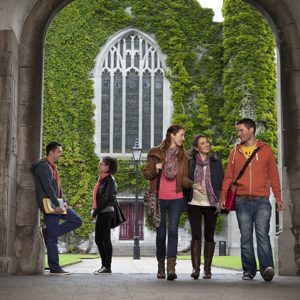
Choosing a course is one of the most important decisions you'll ever make! View our courses and see what our students and lecturers have to say about the courses you are interested in at the links below.
-
University Life

University Life
Each year more than 4,000 choose University of Galway as their University of choice. Find out what life at University of Galway is all about here.
-
About University of Galway
About University of Galway
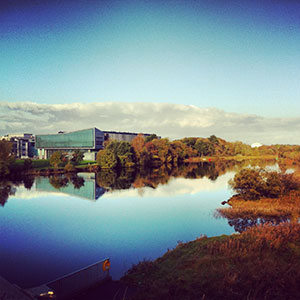
Since 1845, University of Galway has been sharing the highest quality teaching and research with Ireland and the world. Find out what makes our University so special – from our distinguished history to the latest news and campus developments.
-
Colleges & Schools
Colleges & Schools
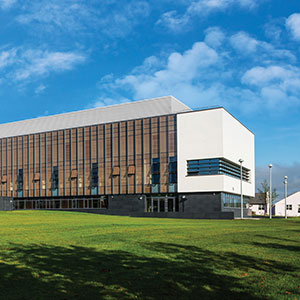
University of Galway has earned international recognition as a research-led university with a commitment to top quality teaching across a range of key areas of expertise.
-
Research & Innovation

Research & Innovation
University of Galway’s vibrant research community take on some of the most pressing challenges of our times.
-
Business & Industry
Guiding Breakthrough Research at University of Galway
We explore and facilitate commercial opportunities for the research community at University of Galway, as well as facilitating industry partnership.
-
Alumni & Friends

Alumni & Friends
There are 128,000 University of Galway alumni worldwide. Stay connected to your alumni community! Join our social networks and update your details online.
-
Community Engagement
Community Engagement
At University of Galway, we believe that the best learning takes place when you apply what you learn in a real world context. That's why many of our courses include work placements or community projects.
 Accessibility & Language
AHEAD
Our Aim
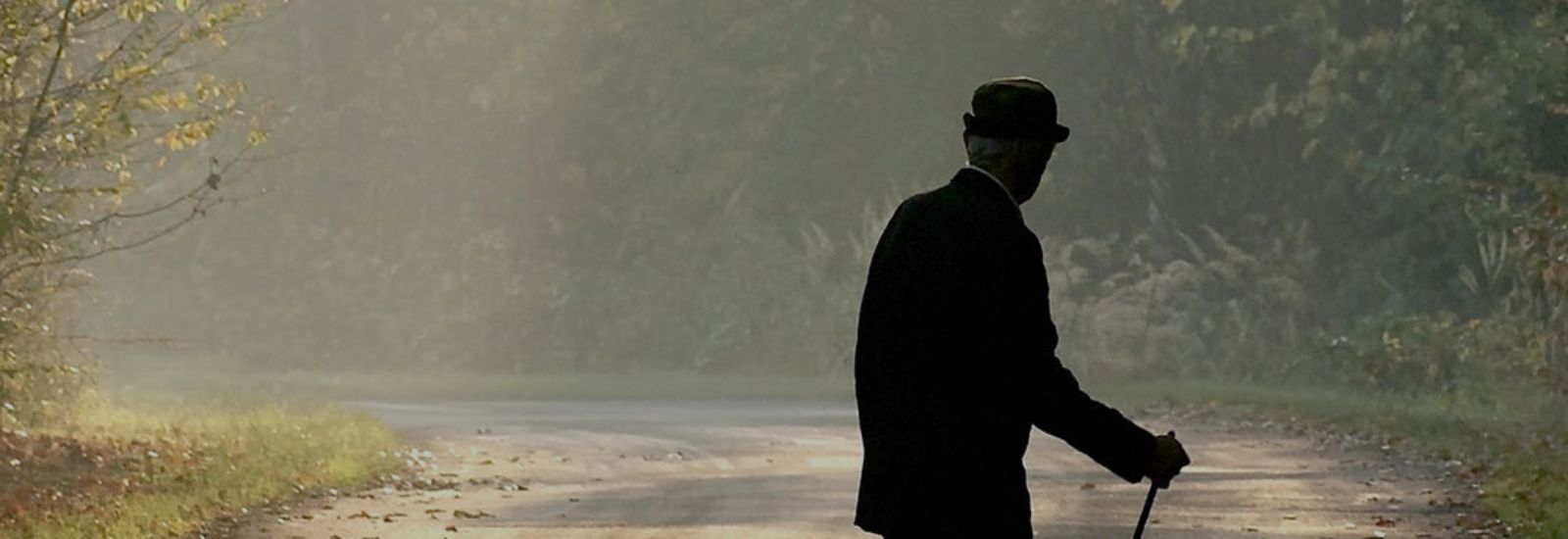
The aim of this research is to explore and understand the housing and accessibility needs of older adults with disabilities who are experiencing, or are at risk of experiencing, homelessness.
Rationale
Homelessness in Ireland has reached unprecedented levels and among this population, older adults represent a small but rapidly growing cohort due to the intersection of multiple vulnerabilities, including age-related health conditions, reduced income security, and disability (DHPLG, 2025; Gonyea and Grenier, 2021; DHPLG, 2017). Research also indicates that people with disabilities experience higher levels of poverty, social exclusion, and difficulty accessing appropriate housing (Heslop and Emerson, 2017). Older adults with disabilities face compounding barriers. Ageing may bring declining mobility, sensory impairments, and increased reliance on healthcare services (Sen and Nagaram, 2024). Simultaneously, structural barriers in the housing system, such as unaffordability in the private rental market, limited accessible housing stock, and restrictive eligibility criteria for public housing supports, disproportionately affect this cohort (Stone, 2020; Carder et al, 2018). The Central Statistics Office (CSO) reports an 83% increase in privately renting households headed by someone aged 65+ between 2016 and 2022, highlighting the increasing vulnerability of older adults approaching or in retirement (CSO, 2022).
Despite these trends, research on homelessness and ageing in Ireland remains limited, particularly for those with disabilities. Existing literature often overlooks the intersectional experiences of older adults with disabilities, leaving policymakers with insufficient evidence to design age- and disability-inclusive interventions. This research addresses that gap by focusing on the lived experiences of older adults with disabilities, ensuring that findings reflect the realities of those most affected and providing actionable insights for policy and practice.
Objectives
- Critically examine how ageing, disability, and homelessness interact to shape accessibility needs over time
- Explore the barriers and facilitators to accessing housing and homelessness services among older persons with disabilities
- Identify how housing and homelessness services can be adapted to better meet the needs of older adults with disabilities
- Develop evidence-based actionable recommendations for policymakers to improve housing policy, and to support prevention strategies and service delivery
Partners & Collaborators
- Brídín Carroll (Irish Centre for Social Gerontology)
- Julia Corey (Simon Communities of Ireland)
- Ber Grogan (Simon Communities of Ireland)