-
Courses
Courses
Choosing a course is one of the most important decisions you'll ever make! View our courses and see what our students and lecturers have to say about the courses you are interested in at the links below.
-
University Life
University Life
Each year more than 4,000 choose University of Galway as their University of choice. Find out what life at University of Galway is all about here.
-
About University of Galway
About University of Galway
Since 1845, University of Galway has been sharing the highest quality teaching and research with Ireland and the world. Find out what makes our University so special – from our distinguished history to the latest news and campus developments.
-
Colleges & Schools
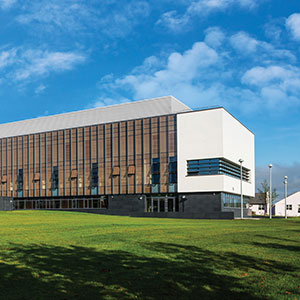
Colleges & Schools
University of Galway has earned international recognition as a research-led university with a commitment to top quality teaching across a range of key areas of expertise.
-
Research & Innovation
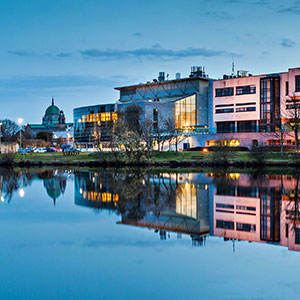
Research & Innovation
University of Galway’s vibrant research community take on some of the most pressing challenges of our times.
-
Business & Industry
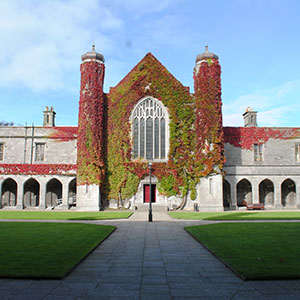
Guiding Breakthrough Research at University of Galway
We explore and facilitate commercial opportunities for the research community at University of Galway, as well as facilitating industry partnership.
-
Alumni & Friends
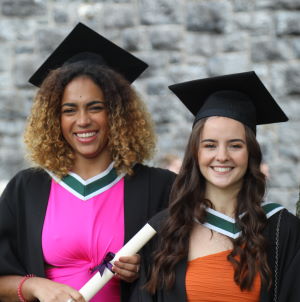
Alumni & Friends
There are 128,000 University of Galway alumni worldwide. Stay connected to your alumni community! Join our social networks and update your details online.
-
Community Engagement
Community Engagement
At University of Galway, we believe that the best learning takes place when you apply what you learn in a real world context. That's why many of our courses include work placements or community projects.
 Accessibility & Language
Visiting Fellows


The College of Arts, Social Sciences & Celtic Studies (CASSCS) at University of Galway welcomes researchers from around the world to connect, collaborate and develop new ideas through our Visiting Fellowship Scheme.
Supported through the College’s Funding the Future programme, the scheme provides seed funding for short research visits designed to build new and emerging international collaborations with academics at University of Galway.
The scheme particularly encourages connections with the College’s Signature Research Areas, bringing together researchers across disciplines to address important cultural, social and societal questions.
Global connectivity
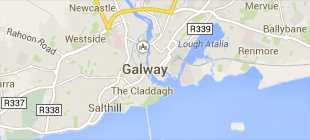
Based in the vibrant city of Galway on Ireland’s Atlantic coast, Visiting Fellows become part of a diverse and interdisciplinary research community. Fellows have the opportunity to exchange ideas with colleagues, contribute to seminars and research discussions, develop future collaborative projects, and engage with the University’s rich library and archival collections.
The 2026 Visiting Fellows join us from institutions across Ireland, the UK and Europe, as well as Algeria, Australia, New Zealand and the USA.
Visiting Fellows | History & Archaeology
Caitríona Beaumont is Professor Emerita at London South Bank University and a Visiting Full Professor at University College Dublin (UCD).
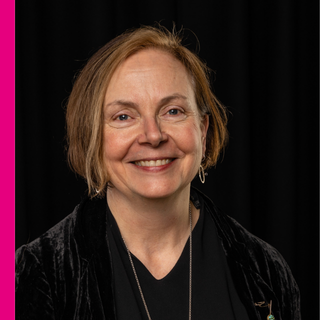
Professor Caitríona Beaumont
Professor (Emeritus) London South Bank University
Research Profile
Caitríona is an acknowledged national and international scholar in the field of modern history, women’s history, histories of female activism and social movements, specialising in nineteenth and twentieth century Irish and British history. Her reimagining of the history of the women’s movement as a movement inclusive of diverse individuals and organisations, not all of whom identified as feminist, has fundamentally changed how histories of the women’s movement are understood and defined. Her first monograph Housewives and Citizens: Domesticity and the Women’s Movement in England 1928-1964 (2013) was informed by her earlier research on the agency and activism of women in Ireland in the 1920s-1940s. This research broke new ground in uncovering the on-going activism of Irish women and their defiance of attempts by church and state to undermine their newly won citizenship rights.
Her latest book Everyday Welfare in Modern British History: experience, expertise and activism (2025, co-edited with Dr Eve Colpus and Dr Ruth Davidson), offers a new and transformative approach to understandings of welfare in modern Britain. The book is open access and is available here.
From August 2023 to January 2025 Caitríona was Principal Investigator for the UK Arts and Humanities Research Council (AHRC) funded international research network ‘Agency and Advocacy: locating grassroots female activism in England and Ireland, 1918 to the present’ (August 2023-January 2025) . This network, comprising of 28 events (workshops, seminars, public lectures, a conference) produced a five episode podcast series Women’s Grassroots Activism, webinars on archive/record management and the 100+ Women’s Activism Toolkit. Caitríona is currently working with colleagues at UCD, University of Turku, Finland and University of Leeds in developing an ERC Synergy Award application entitled ‘Women and Lived Citizenship: transnational networks of solidarity, resistance and citizenship engagement, Europe 1918 to the present’.
Lakhdar Benbouzid is a Full Professor of Ancient History and Archaeology at the University of Biskra, Algeria.
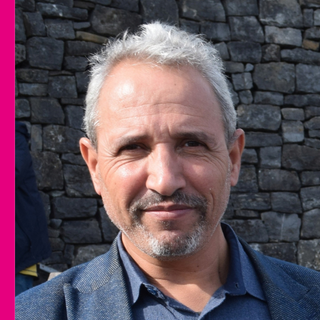
Lakhdar Benbouzid
Professor, University of Biskra
Research Profile
Lakhdar Benbouzid is Professor of Ancient History and Archaeology at the University of Biskra, Algeria. His research focuses on the rock art of the central Sahara, especially the Tassili n'Ajjer, the Hoggar, and on what this art reveals about the beliefs, ways of life, and movements of the region's prehistoric and ancient peoples. He also works on Saharan funerary monuments and their place in ritual landscapes, and on contacts between the Sahara, the Nile Valley and the Mediterranean.
He is a member of ICOMOS and IUCN, an Expert Member of ICOMOS-ICAHM, and an active member of the ICOMOS-CAR International Scientific Committee on Rock Art. He has served on joint IUCN/ICOMOS World Heritage missions, including a site assessment of the Tassili n'Ajjer, and on ICOMOS World Heritage evaluation missions. He was a 2026 CASSCS Visiting Fellow at the University of Galway.
Daniel Grey is a Programme Leader for BA Sociology and Reader in Modern History at the University of Hertfordshire.
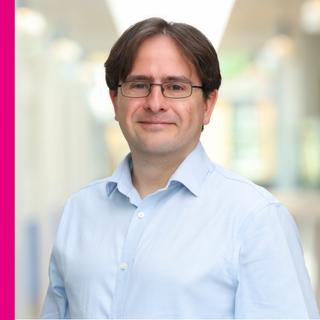
Dr Daniel Grey
Lecturer, University of Hertfordshire
Research Profile
Daniel's research explores the intersections between gender, law, and medicine - especially relating to violence against children - in nineteenth- and twentieth-century Britain and its Empire. The Visiting Fellowship enabled him to develop collaborative links with colleagues working on childhood, nineteenth-century culture, and public history, in particular on best practice in doing ethical public engagement work on sensitive and difficult histories.
Dr Cate O’Neill is a historian at the University of Melbourne.
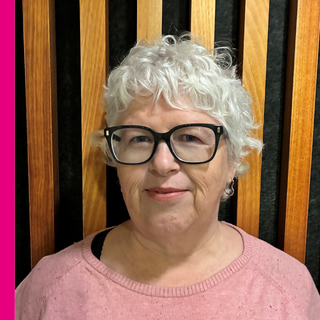
Dr Cate O'Neill
Historian, University of Melbourne
Research Profile
Dr Cate O’Neill is a historian at the University of Melbourne and since 2010 has worked on the Australian government-funded Find & Connect web resource project. The Find & Connect website is a digital public history project responding to a series of national inquiries into Australia’s past treatment of children and young people in institutions and foster care. Find & Connect is a public knowledge resource that empowers and educates Care Leavers and their descendants and improves public understanding of the legacy of institutionalisation of women and children. In Australia and internationally, the Find & Connect project has advocated for better access to archival records for Care Leavers and promoted the vital role records can play in personal healing and historical justice. As a visiting fellow at the College of Arts, Social Sciences & Celtic Studies Cate is looking forward to sharing her experiences on Find & Connect, and to collaborate and learn from researchers working on the project Mapping Galway’s Institutional Past through Connection and Co-creation with Survivors and Those Affected.
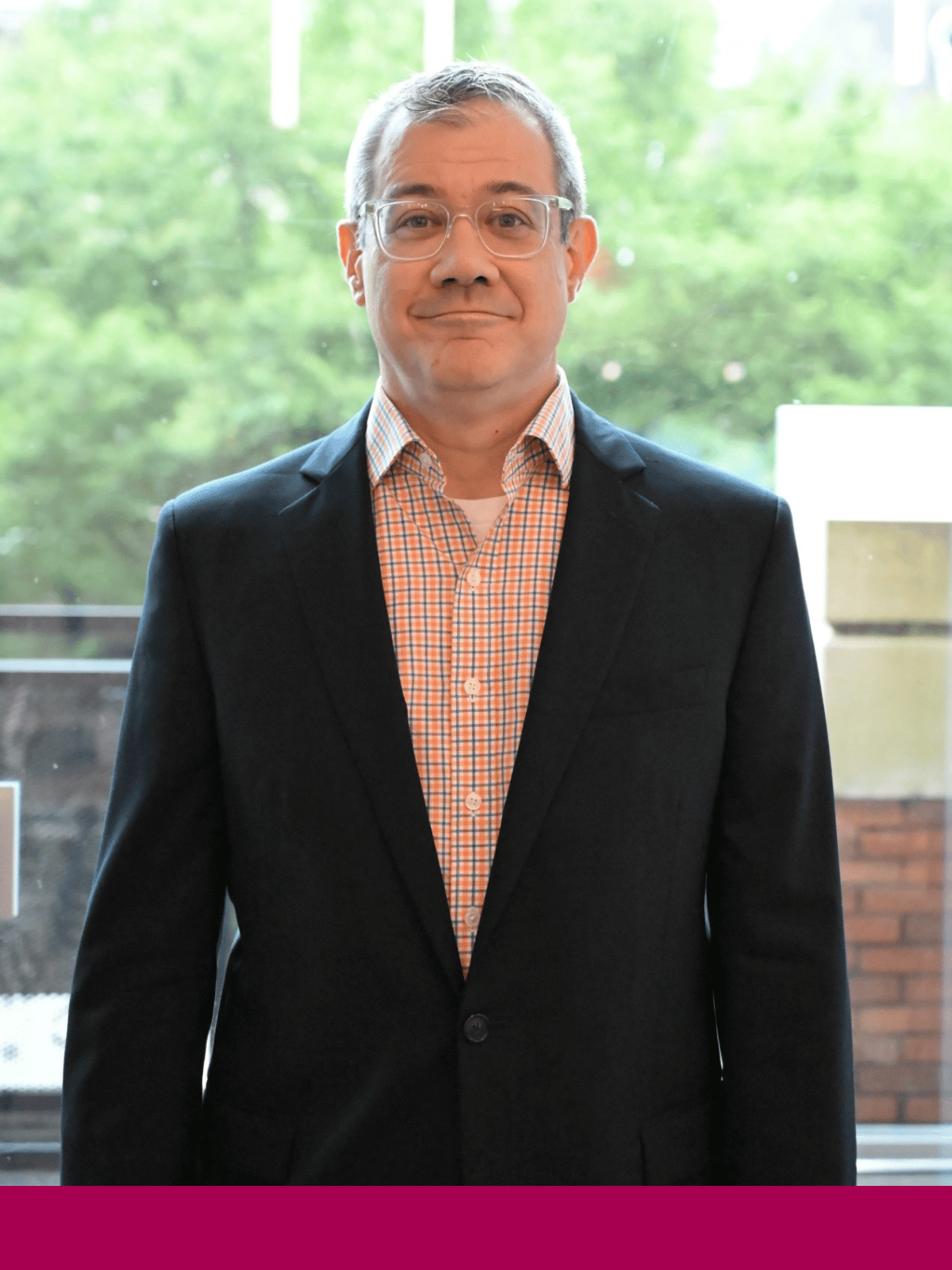
Visiting Fellow Spotlight: Joshua Eckhardt
"During my Visiting Fellowship I was able to check in with the University's three contributors to The Oxford Handbook of Medieval and Early Modern Manuscripts; to facilitate an international transcribing event with participants from both the Superscripts and Rare Book School (in Virginia); to share digital resources with one of STEMMA's postdoctoral researchers; and to deliver a joint lecture with another STEMMA postdoc. The visit and the collaboration that it fostered will inform a co-authored article for the Journal of Digital History."

Visiting Fellows | Literature & Irish Studies
Joshua Eckhardt is a Professor of English at Virginia Commonwealth University.
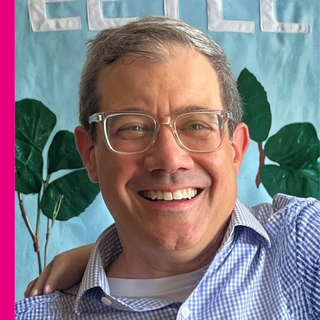
Joshua Eckhardt
Professor of English, Virginia Commonwealth University.
Research profile
Joshua Eckhardt is a Professor of English at Virginia Commonwealth University, where he oversees the Book Lab, the Superscripts (a student-and-alumni organization for paleography), and British Virginia (a digital publisher of colonial documents). He did the textual work for the new Oxford edition of The Discourse of John Selden, Esq.: Table Talk, co-edited with Jason Rosenblatt. He wrote Religion Around John Donne (Penn State, 2019) and Manuscript Verse Collectors and the Politics of Anti-Courty Love Poetry (Oxford, 2009). He also co-edited, with Daniel Starza Smith, Manuscript Miscellanies in Early Modern England (Ashgate, 2014; Routledge, 2019).
Genelle Gertz is the Thomas H. Broadus, Jr. Professor of English and Associate Dean of Strategic Initiatives at Washington and Lee University.
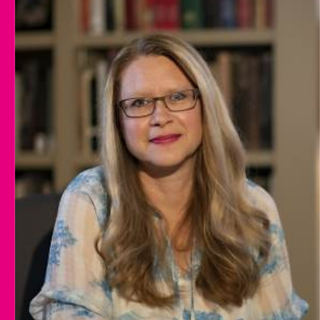
Genelle Gertz
Professor of English and Associate Dean of Strategic Initiatives, Washington and Lee University
Research profile
Genelle Gertz is the Thomas H. Broadus, Jr. Professor of English and Associate Dean of Strategic Initiatives at Washington and Lee University. She researches British pre-modern women and mysticism from an historicist and social network lens. Her co-authored essay, "The Lost Network of Elizabeth Barton" won the 2022 Grimm Prize from the Sixteenth Century Society for the best essay on the Reformation. She is the author of Heresy Trials and English Women Writers: 1400-1670 as well as several essays on early modern women and religion. Her forthcoming essay, "Mystic Trance, Rhymed Speech, and the Poetics of Liturgical Form" will be published by University of Delaware Press in spring 2027 for Women and Communal Worship: Women Writing, Performing, and Shaping the Christian Liturgy, 1500-1700, edited by Jamie Goodrich and Michelene White. She has also published on how to teach career readiness to humanities undergraduates (“Teaching a Careers Course for English Majors: Notes from A Liberal Arts Setting" in the Modern Language Association's ADE Bulletin, no. 160, 2023), facilitates career readiness workshops for faculty, and teaches undergraduate literature courses with embedded professional development tracks.
Professor Maebh Long is the Eamon Cleary Chair of Irish Studies and Co-Director of the Centre for Irish and Scottish Studies at UIniversity of Otago.
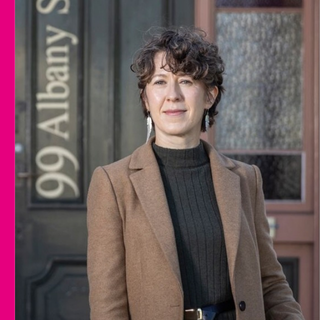
Meabh Long
Professor, University of Otago
Research profile
Maebh Long is the Eamon Cleary Chair of Irish Studies and Co-Director of the Centre for Irish and Scottish Studies. She holds degrees from University College Cork and Durham University. Her research interests include Irish literature, particularly the work of Flann O’Brien, Pacific modernism and the medical humanities. Her first monograph, Assembling Flann O’Brien (2014), won the Flann O’Brien Society award for best book-length work, as did her edited collection of O’Brien’s correspondence, The Collected Letters of Flann O’Brien (2018). She is now president of the Flann O’Brien Society, co-editor of the Journal of Flann O’Brien Studies and president of the Irish Studies Association of Australia and New Zealand.
Professor Long’s research on Pacific literature, which draws on her years in Fiji with the University of the South Pacific, includes the co-edited collection New Oceania: Modernisms and Modernities in the Pacific (2019) and the co-authored monograph The Rise of Pacific Literature: Decolonization, Radical Campuses and Modernism (2024), both with Matthew Hayward. These publications, alongside articles, special issues and conferences, stem from the Oceanian Modernisms project she founded with Dr Hayward.
Her work on the medical humanities includes research on medical metaphors and narratives of risk during the Covid-19 pandemic in Aotearoa New Zealand, and ‘Modern Immunity’, a major project on discourses of medical and political immunity in modernist advertising and fiction. The immune poetics she maps out describes the ways modernist cultures responded to anticipated harm by rhetorically evoking ideas of a body, and a body politic, whose resistance spans medical and political threats. Her Modern Immunity project is supported by the Marsden Fund.
Professor Long had held fellowships at New York University, the Harry Ransom Center at the University of Texas at Austin and in 2025 was the O’Donnell Fellow in Irish Studies at the University of Melbourne.
Dr Eamon Maher is a lecturer in the School of Tourism and Hospitality Management and Joint Principal Investigator of the Centre for Irish Studies at Technological University Dublin.
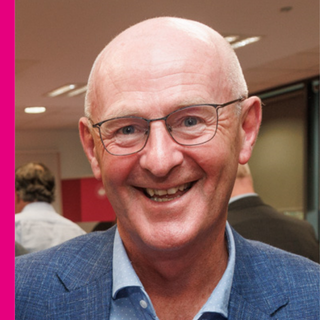
Eamon Maher
Lecturer and Joint PI, Centre of Irish Studies, Technological Univeristy Dublin
Research profile
Eamon Maher is a lecturer in the School of Tourism and Hospitality Management and Joint Principal Investigator (with Máirtín Mac Con Iomaire) of the Centre for Irish Studies. He founded and acted as Director of the National Centre for Franco-Irish Studies (NCFIS) from 2005-2025, and served as President of its offshoot, AFIS (Association of Franco-Irish Studies), from 2005-2020. In 2016 Eamon was made an Officier dans l’Ordre des Palmes Académiques, an Honour bestowed on him by the French Government for the promotion of Franco-Irish Studies. Eamon has written widely on representations of Catholicism in 20th-century fiction in France and Ireland and has published two book-length studies and several articles on the Irish writer John McGahern, on whom he is a recognised international expert.
He is co-editing the Companion to John McGahern, which is due to appear in 2026, the 20th anniversary of the author’s death. His most recent monograph, which will appear in 2026, is titled The Prophetic Voice: Jean Sulivan’s Ongoing Relevance in France and Ireland. Eamon did his PhD thesis on Sulivan and also published a monograph in French, with L’Harmattan, on this intriguing Breton priest-writer who lived from 1913-1980, which were seismic years for France and the world in general. Eamon is General Editor of the highly successful Irish Studies series, Reimagining Ireland, as well as of Studies in Franco-Irish Relations, both with Peter Lang Oxford. He has edited and co-edited numerous books in these series and is a regular contributor to The Irish Times.
Professor Pilar Villar Argáiz is a Senior Lecturer in Irish and British Literatures at University of Granada.
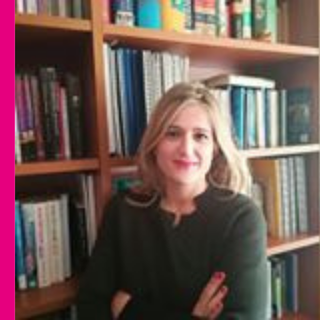
Pilar Villar Argáiz
Senior Lecturer, University of Granada
Research profile
Professor Pilar Villar Argáiz is a scholar of contemporary Irish literature whose research examines the intersections of literature, politics, and cultural identity. Her work explores how contemporary Irish poetry and fiction engage with issues of secrecy, transparency, democracy, gender, migration, and human rights. She is currently completing a monograph, Secrecy, Transparency and Dissidence in Contemporary Irish Literature (forthcoming in 2027), which investigates how recent Irish writers challenge conventional understandings of transparency and highlight the ethical and democratic value of secrecy. Through collaboration with colleagues at the University of Galway, she aims to foster interdisciplinary research on Irish literature, cultural memory, and human rights while developing future international research partnerships.
Visiting Fellow Spotlight: Justine Nakase
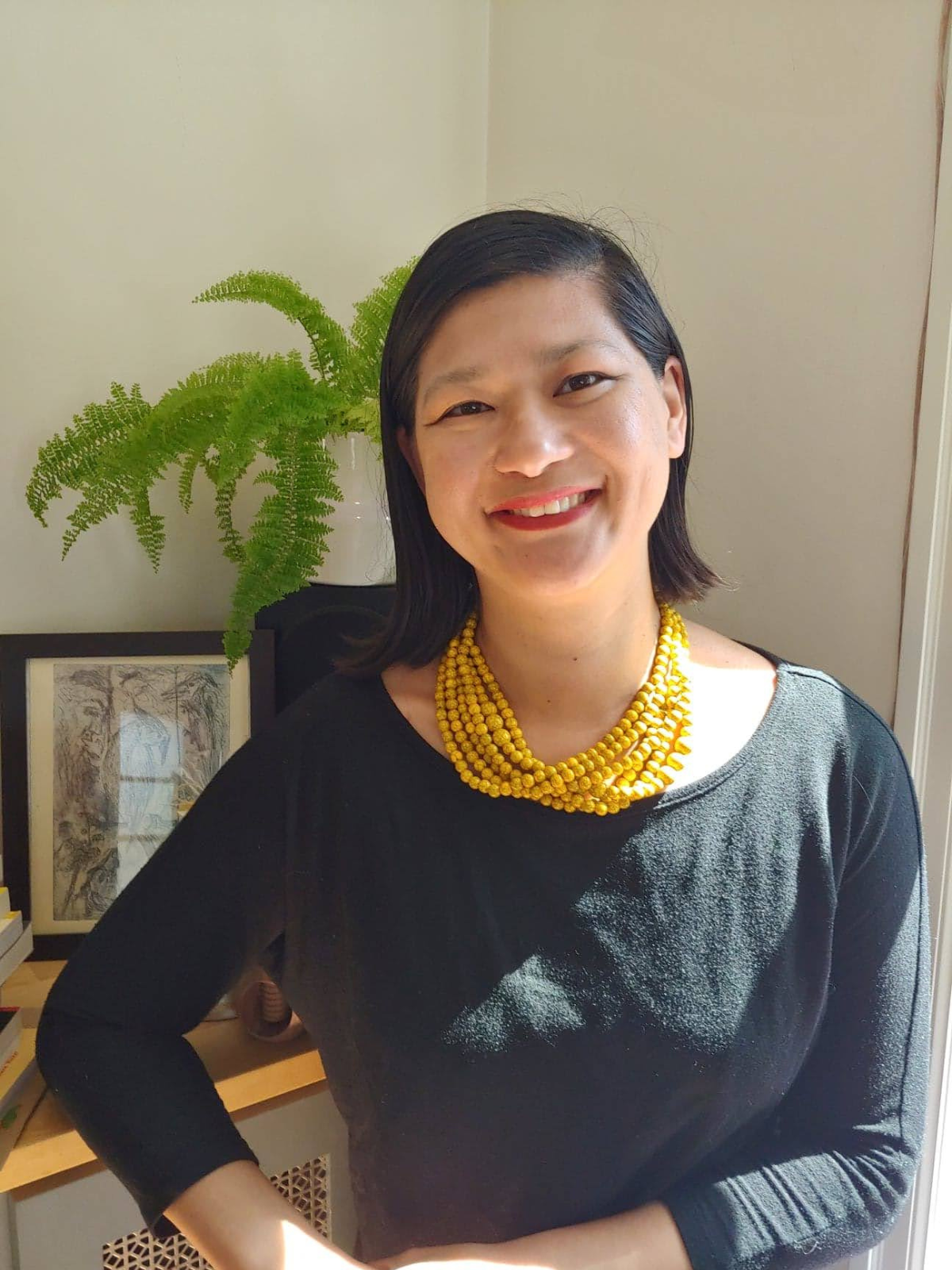
During her Visiting Fellowship, Dr Justine Nakase consulted the University of Galway's archives to trace casting practices during the 2000s in Irish theatre. Focusing specifically on race and ethnicity, Dr Nakase drew on the wealth of theatre programmes in the Ros Dixon papers to identify moments of diverse casting. She also drew on the Pan Pan Theatre and digital Abbey archives to access playscripts of productions that cast Ethiopian-Irish actor Ruth Negga, to supplement her existing scholarship on Negga and casting in her early theatre career.
Visiting Fellows | Drama
Professor Michał Lachman is a lecturer in English and Irish Drama at University of Lodz.
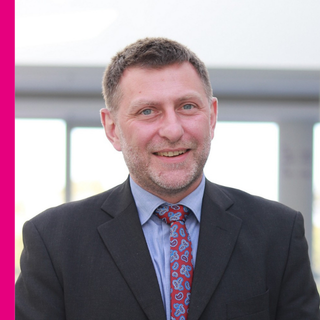
Michal Lachman
Professor in English and Irish Drama, University of Lodz
Research profile
Professor Michał Lachman is a lecturer in English and Irish Drama. He is the head of the Department of English Drama, Theatre and Film, University of Lodz, Poland. His research interests include history of the twentieth-century British and Irish drama, contemporary drama and theatre, as well as literary theory and translation. He has published on Oscar Wilde, W.B. Yeats, Brian Friel, Martin McDonagh, Marina Carr, Enda Walsh and Frank McGuinness, Sarah Kane and Mark Ravenhill. Razor’s Edge: British and Irish Drama of the 1990s – his first book was published in 2007 (Ksiegarnia Akademicka). In 2018, he published Performing Character in Contemporary Irish Drama. Between Art and Society (Palgrave). He has also translated Christina Reid’s Belle of the Belfast City, Billy Roche’s A Handful of Stars, Frank McGuinness’e Observe the Sons of Ulster Marching Towards the Somme and Innocence as well as a number of academic and critical articles for literary and theatrical journals. His translations of Eli Rozik’s Roots of Theatre and William Hogarth’s essay The Analysis of Beauty appeared in 2011. Daniel Defoe’s Serious Reflections in his translation was published in 2025. He is the chair of the Polish Association for Irish Studies.
Dr Matthew McFrederick is a Lecturer in Theatre and Co-Director of the Samuel Beckett Research Centre at University of Reading.
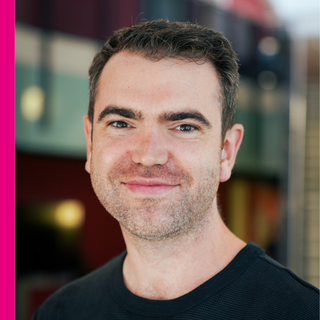
Matthew McFrederick
Lecturer in Theatre, University of Reading
Research profile
Matthew McFrederick is a Lecturer in Theatre and Co-Director of the Samuel Beckett Research Centre at the University of Reading. He is the author of Staging Beckett in London (Methuen Drama, 2025) and co-editor of Not Beckett, The Plays (Methuen Drama, 2025). He is delighted to be a 2026 CASSCS Visiting Fellow at the University of Galway, where he is researching the performance histories of Brian Friel’s drama through the Gate and Abbey Theatre Archives, as well as examining the scenography of Brian Friel’s drama with a particular focus on his collaborations with the theatre designer Joe Vanek. During his Fellowship, Matthew will deliver a research seminar paper on ‘Beckett and British Censorship: ‘When does the fun with the LC begin?’’, which explores how early productions of Samuel Beckett’s drama in the UK were tested and shaped by the difficult relationship he shared with British censorship.
Aoife Monks is Professor of Cultural and Creative Industries and Director, Queen Mary Centre for Creative Collaboration at Queen Mary University of London.
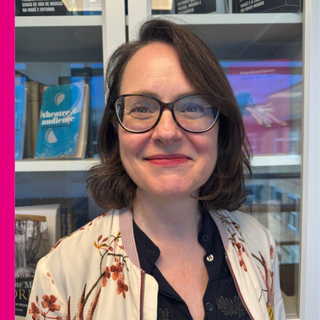
Aoife Monks
Professor of Cultural and Creative Industries, Queen Mary University of London
Research profile
Dr Aoife Monks is Professor of Cultural and Creative Industries at Queen Mary University of London. She is Director of Queen Mary’s Centre for Creative Collaboration and leads a range of knowledge exchange projects with the creative industries with a focus on workforce needs and equalities within creative skills provision, AI and creative placemaking. She is the author of numerous publications and books on costume and curated an exhibition and book with the costume team at the National Theatre in London in 2019. She is currently completing a monograph on virtuosity and the Celtic Tiger for Cambridge University Press.
Dr Justine Nakase is a Visiting Assistant Professor of Theatre at Reed College.
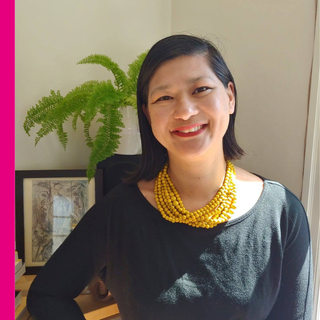
Justine Nakase
Visiting Assistant Professor of Theatre, Reed College
Research profile
Justine Nakase is a theatre maker and scholar with a Ph.D. in Drama, Theatre and Performance from the University of Galway, Ireland. Her teaching and research interests include race and performance, critical casting practices, intercultural theatre, contemporary Irish theatre, and equitable pedagogies. Justine is the co-editor of the two-volume collection The Golden Thread: Irish Women Playwrights, 1716-2016 (Liverpool University Press, 2021) and her writing has appeared in Shakespeare Bulletin (forthcoming), Scene, and New Hibernia Review. She co-produced the #wakingthefeministswest Theatre Season in Galway, Ireland in 2016-2017, and is currently the board secretary and literary manager of Oregon's Asian American/Pacific Islander (AAPI) theatre company Theatre Diaspora.
Malcolm Sen is an Associate Professor in the Department of English at the University of Massachusetts Amherst.
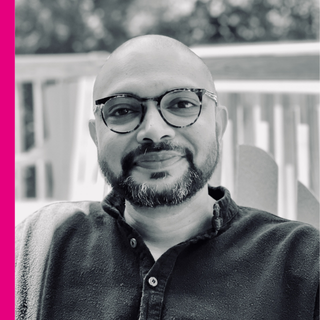
Malcom Sen
Associate Professor, University of Massachusetts Amherst.
Research profile
Malcolm Sen is an Associate Professor in the Department of English at the University of Massachusetts Amherst. He is the Director of the Environmental Humanities specialization, a co-PI of The Anthropocene Lab, a co-PI of The ART(e)FACTS Project, and an Affiliate of the School of Earth and Sustainability. Sen is the author of The Irish Anthropocene: Literature, Climate Change, Sovereignty (New York: Syracuse University Press, 2026), the editor of A History of Irish Literature and the Environment (Cambridge: Cambridge University Press, 2022), among several other peer-reviewed and edited publications. He is the Series Editor of The COMMONwealth Project for the University of Massachusetts Press.
Visiting Fellow Spotlight: Kat Austen
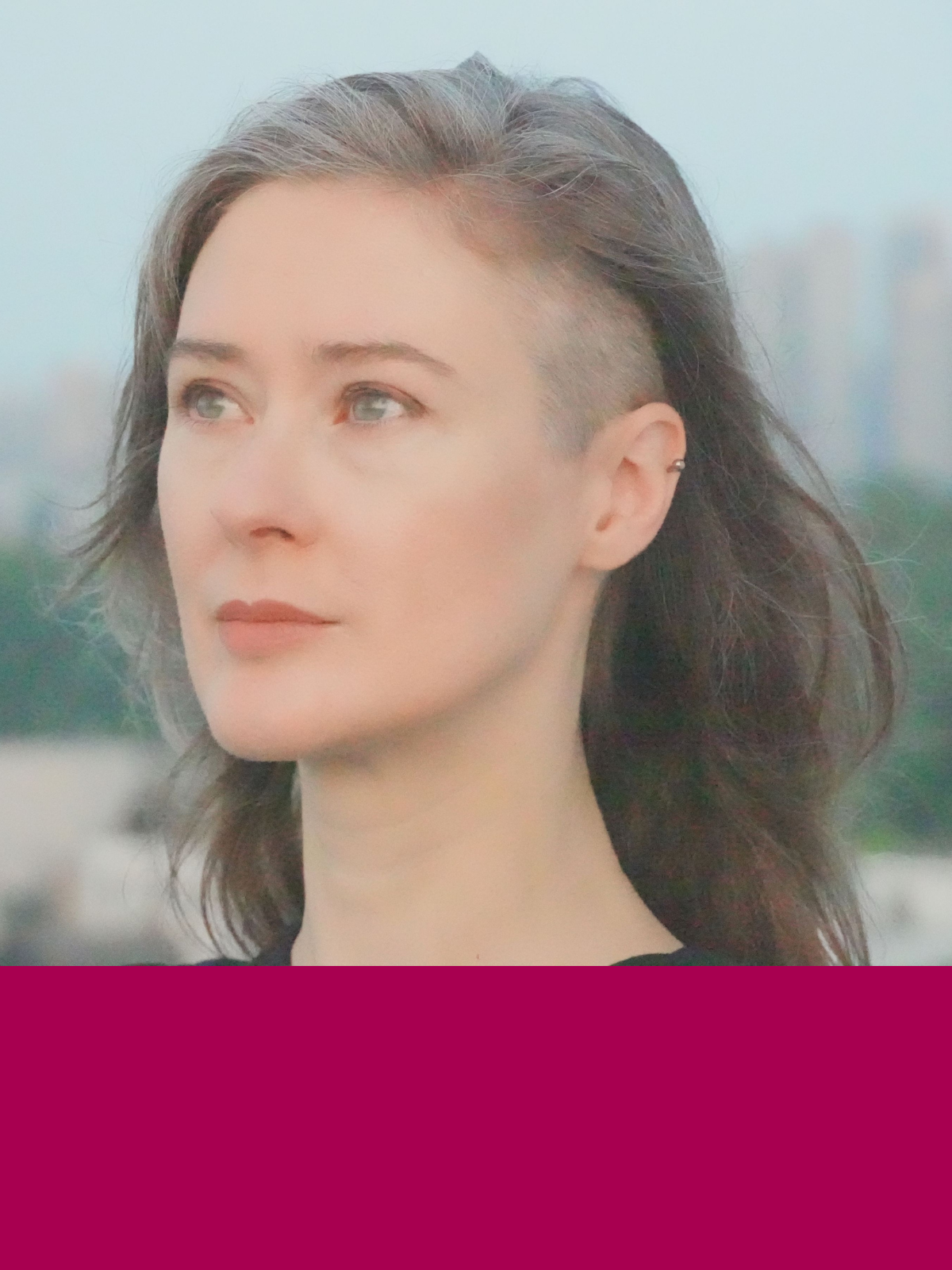
Kat Austen’s work focusses on the relationship between humans, technologies and landscapes in the context of the polycrisis. Current research focusses are the permeability of boundaries and surfaces in contested landscapes, more-than-human migration, and the environmental and aesthetic impacts of artificial intellligence. Austen uses transdisciplinary methods to research these topics, drawing on artistic research, participatory research, environmental humanities, acoustic ecology and DIY science. During her stay in University of Galway, Austen is developing further the framework for a series of works elaborating artificial intelligences as agentic entities with watery bodies, the THIRST series. Austen creates installations and performances alongside written works. Her work has been shown at Venice Biennale, V&A Museum, Jeju Museum of art and Galway International Art Festival.
Visiting Fellows | Media and Creative Arts
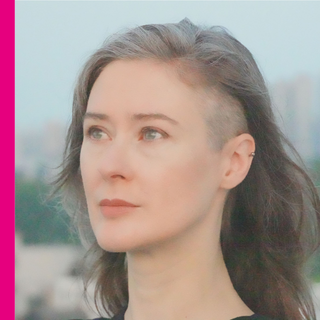
Kat Austen
Austen has long blended art and science with philosophy and music, crafting unique narratives that transcend borders. Her art invites you to enjoy its beauty, but it also offers layers of depth for those who want to dive into the fascinating concepts behind it. It’s in using her art to tackle tough but meaningful conversations that you’ll truly experience Austen’s unique perspective.
Working across disciplines and media forms, Austen critically focuses on the most pressing environmental and social justice challenges of our times, combining cutting-edge technologies with embodied and analogue techniques to elevate the wonder of the everyday.
Focusing on recovery, remediation and diversity, Austen’s softly forceful artworks communicate emotional and intellectual relations to sublimate subjectivity and cultivate space for more-than-human perspectives.
Austen’s work is often place-based and concerned with landscape and identity. Her field research has taken her on multiple journeys such as: Western Australia, the Irish West Atlantic coast, Southern Korea and the Northernmost tip of Japan. Her voyage around the Canadian High Arctic, through the Artist in the Arctic programme, led to her being selected as inaugural Cultural Fellow in Art and Science at the Cultural Institute, University of Leeds.
She has performed around the globe, including at Opera North (UK); Fusion Festival (DE); Ars Electronica Festival (AT), Love Tomorrow (BE) and Korea International Art Fair (KR). Her performances mix choreography, sound and visuals, showcasing her ability to captivate an audience with great depth and multi-layered narratives.
Austen’s prize-winning work has exhibited at Venice Biennale (IT); Jeju Museum of Art (KR); V&A Museum (UK); Contemporary Museum Wrocław (PL); Prater Galerie (DE); LABoral (ES); Bozar Centre for Fine Arts (BE) among others, and her work is held internationally in public and private collections.
Working from her studios in Seoul and Berlin, Austen is Honorary Associate Professor at UCL Arts and Sciences. With projects supported by Neustart Kultur, ZER01NE, Jeonju Millenium Hanji Museum and Creative Europe among others, she has held numerous residencies and fellowships including STARTS Residency Repairing the Present at Ars Electronica, STARTS4Water ii, EMAP / EMARE Artist in Residence at WRO Art Center 2020 and Artist Fellow at Research Institute for Sustainability (RIFS) Helmholz Center, Potsdam. She is a Fellow of the Royal Society of Arts and holds a Ph.D. from UCL in Chemistry.
Patricia Prieto-Blanco is a lecturer in digital media practice at Lancaster University.
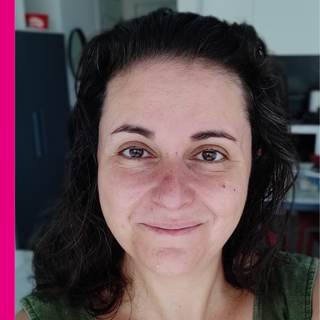
Patricia Prieto-Blanco
Lecturer, Lancaster University
Research Profile
Patricia Prieto-Blanco is a researcher and a practitioner, whose expertise includes photography, visual research methods, and media practices in the contexts of migration, activism and intimacy. She obtained her PhD from the University of Galway in 2016 with a project on the photographic practices of Spanish-Irish families residing in Ireland, the results of which have been published in academic journals (e.g. Imaginations: Journal of Cross-Cultural Image Studies), essay collections (e.g. “Digital Photography and Everyday Life”), and exhibition catalogues (e.g. "WahlFamilie"). Furthermore, Patricia's work has contributed to the development of visual research methods, particularly in the fields of migration studies, visual sociology, and digital visual practices. As such, several of her contributions have appeared in manuals (e.g. “Visual Methods in Migration Studies”, “Metodología de la Investigación Social Digital”), in dissemination spaces (e.g. a special episode on the podcast “The Social Breakdown”, contributions to group exhibitions in galleries such as Belfast Exposed, The Vallum Gallery, and Berkeley Art Center).
Patricia is interested in visual research methods and on feminist, ethnographically informed approaches to research. Her latest work explores regimes of visuality and visibility in times of gender backlash, techno-patriarchy and automation. In 2025 Patricia co-led the CAIS working group Critical Interventions into Platformed Visual Misogyny, and her first monograph “Visual Misogyny: Platformed Politics of Visual Gendered Hate” comes out in November (co-authored with Suay Melisa Özkula). Furthermore, Patricia is a member of research projects “Representaciones Contemporáneas del Duelo y el Dolor” (Universidad de Barcelona), and “Violencia sexual digital” (Universidad Complutense de Madrid); is co-editor of book series Transformations (Routledge) and of Colección Cuaderns de Pensamiento, Comunicación y Cultura (Editorial Nau Llibres), as well as an Associate Member of Centre for Transforming Sexuality and Gender (University of Brighton, UK), and co-chair of ECREA Section Visual Cultures.
Visiting Fellows | Sociology, Sustainability and Urban Environment
Dr. Matt Finch is an Associate Fellow at Saïd Business School, University of Oxford.
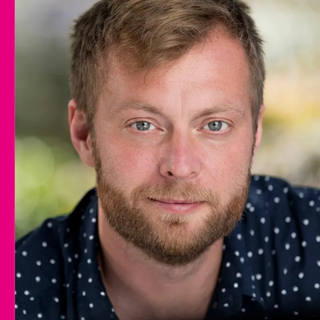
Matthew Edward Finch
Associate Fellow, University of Oxford
Research profile
Dr. Matt Finch is a researcher and practitioner in the fields of strategy, foresight, and negotiation. He currently leads the project "Death, dying, and the afterlife in the age of AI" at the University of Oxford and is co-investigator on the "Intimate Futures" project at the New School for Social Research. He has a special interest in the psychodynamics of strategy and policy: what goes on within and between us, cognitively and emotionally, when we seek to make consequential decisions under conditions of pressure and uncertainty.
During Matt's fellowship, he will be researching the use of scenario planning to convene effective multistakeholder conversations around environmental, social, and political issues - building on prior work with the Horizon Europe-funded IMAJINE project and Peat Hub Ireland.
Dr. Finch's discussion paper "Reckoning with Uncertainty - The Galway Questions" is available here: Dr. Matt Finch | Reckoning with uncertainty - The Galway Questions.
Dr Mariana Pereira Guimarães is a Research Fellow at Politecnico di Milano.
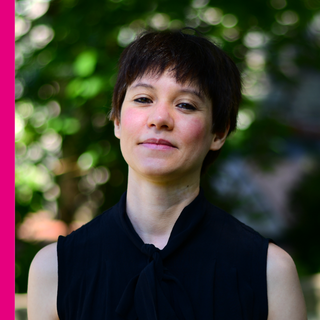
Mariana Pereira Guimarães
Research Fellow, Politecnico di Milano
Research profile
Mariana Pereira Guimarães is an environmental health planner, architect, and urban climate scientist whose work sits at the meeting point of urban planning, public health, and climate science. She holds a PhD (cum laude) in Architecture and Urban Design from the Politecnico di Milano, Milan, Italy, and a joint Master's in Urban Planning and Public Health from Harvard University, where her public health studies followed the Human Health, Sustainability, and Global Environmental Change track at the Center for Climate, Health, and the Global Environment (Harvard Chan C-CHANGE). She first trained as an architect and civil engineer at the University of São Paulo (USP), Brazil. Her doctorate was completed within SOLOCLIM (SOLutions for the Outdoor CLIMate), a Marie Skłodowska-Curie Innovative Training Network funded under the EU's Horizon 2020 programme, and she has worked directly with communities and city governments in São Paulo, Toronto, Boston, and Tirana. During her fellowship at the University of Galway, hosted by Prof. Patrick Collins in the School of Geography, Archaeology and Irish Studies, she will examine how the Galway UrbanLab can serve as a platform for citizen science, connecting the University with the surrounding community to co-produce knowledge on urban environment, climate, and health.
Dr Neto Leão is a Researcher and Faculty Member at The Umbra Institute.
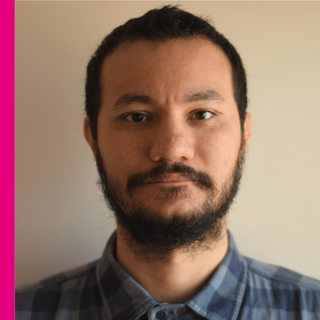
Neto Leão
Umbra Institute
Research profile
My research lies at the intersection of political ecology, environmental sociology, and the critique of industrial society, with particular attention to the thought of Ivan Illich. I investigate how modern institutions and technological systems—especially energy and food systems—reshape human autonomy, social relations, and people’s capacity to determine collectively what constitutes a good life. A central strand of my current work develops the concepts of "convivial energy, the vernacular domain, and the principle of proportion", examining how communities establish limits and retain meaningful control over technologies and resources. Drawing on research with islands and local communities in Europe and Latin America, my work combines theoretical inquiry, ethnographic research, community engagement, and visual methods to explore alternatives to dominant models of sustainability and ecological transition.
Interested in the Visiting Fellowship Scheme?
Whether developing a new research partnership, exploring shared interests or laying the foundations for a future collaborative project, the Visiting Fellowship Scheme offers dedicated time and space to connect, exchange ideas and create new research opportunities at University of Galway.
Fellowships support short research visits between May and September, with subsistence supplied to cover travel and accommodation costs.
Information on the 2027 Visiting Fellowship Scheme will be available in Spring 2027. For enquiries contact <CASSCSResearch@universityofgalway.ie>