-
Courses

Courses
Choosing a course is one of the most important decisions you'll ever make! View our courses and see what our students and lecturers have to say about the courses you are interested in at the links below.
-
University Life

University Life
Each year more than 4,000 choose University of Galway as their University of choice. Find out what life at University of Galway is all about here.
-
About University of Galway
About University of Galway
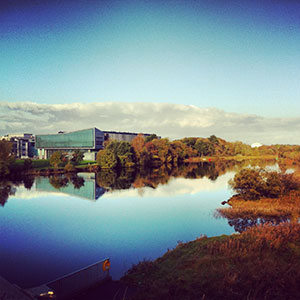
Since 1845, University of Galway has been sharing the highest quality teaching and research with Ireland and the world. Find out what makes our University so special – from our distinguished history to the latest news and campus developments.
-
Colleges & Schools
Colleges & Schools
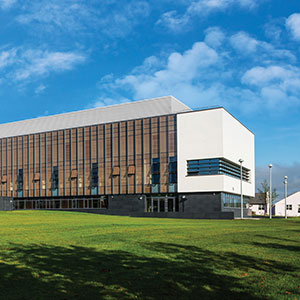
University of Galway has earned international recognition as a research-led university with a commitment to top quality teaching across a range of key areas of expertise.
-
Research & Innovation

Research & Innovation
University of Galway’s vibrant research community take on some of the most pressing challenges of our times.
-
Business & Industry
Guiding Breakthrough Research at University of Galway
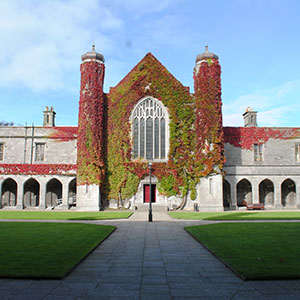
We explore and facilitate commercial opportunities for the research community at University of Galway, as well as facilitating industry partnership.
-
Alumni & Friends

Alumni & Friends
There are 128,000 University of Galway alumni worldwide. Stay connected to your alumni community! Join our social networks and update your details online.
-
Community Engagement
Community Engagement
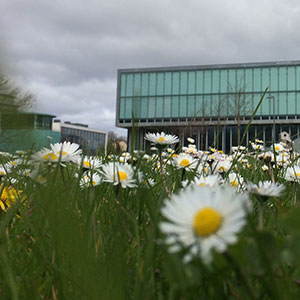
At University of Galway, we believe that the best learning takes place when you apply what you learn in a real world context. That's why many of our courses include work placements or community projects.
 Accessibility & Language
About the Registry
A voluntary national research platform that brings together information about adults living with Multiple Myeloma (MM) and related blood conditions across the Republic of Ireland
What is a clinical registry?
A clinical registry brings together health information from a group of people living with the
same condition. By collecting information in a consistent and standardised manner, we can
follow how a condition evolves over time and study disease patterns and outcomes in this
given condition. This type of information is called real-world data (RWD) and allows
researchers to build a broader picture of how a condition is managed and how people respond
to treatment.
Why a registry for Multiple Myeloma (MM)
Multiple Myeloma is a complex disease that can behave differently from one person to another,
meaning that each person can experience a different disease journey. People may receive
different treatments and experience different responses to treatments, as well as periods of
remission, progression or relapse.
The Multiple Myeloma Registry
This Registry aims to establish a national, long-term platform to collect and bring together
valuable clinical information on diagnosis, disease characteristics, treatments, treatments
response and outcomes from participants across the Republic of Ireland. By building this
resource, it can overtime support clinical and translational research for a better understanding
of MM and ultimately support care.
Our video explaining about how the registry works
How does the Registry Work?
1. DISCOVER
Find out about the registry through our online information and resources
2. REGISTER INTEREST
Check eligibility and provide contact details if you require more information
3. CONSENT OPTIONS
Choose to give consent online or request a paper consent form sent to you
4. INCLUSION
A unique registry ID is attributed to you and relevant clinical data will be collected
5. LONGITUDINAL FOLLOW-UP
Your clinical information will be updated over time to better understand
responses and progression