-
Courses
Courses
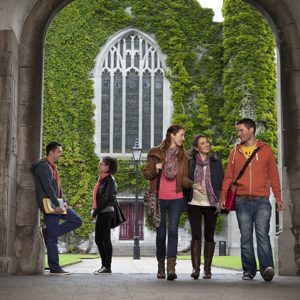
Choosing a course is one of the most important decisions you'll ever make! View our courses and see what our students and lecturers have to say about the courses you are interested in at the links below.
-
University Life

University Life
Each year more than 4,000 choose University of Galway as their University of choice. Find out what life at University of Galway is all about here.
-
About University of Galway

About University of Galway
Since 1845, University of Galway has been sharing the highest quality teaching and research with Ireland and the world. Find out what makes our University so special – from our distinguished history to the latest news and campus developments.
-
Colleges & Schools
Colleges & Schools
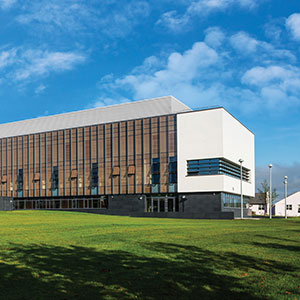
University of Galway has earned international recognition as a research-led university with a commitment to top quality teaching across a range of key areas of expertise.
-
Research & Innovation

Research & Innovation
University of Galway’s vibrant research community take on some of the most pressing challenges of our times.
-
Business & Industry
Guiding Breakthrough Research at University of Galway
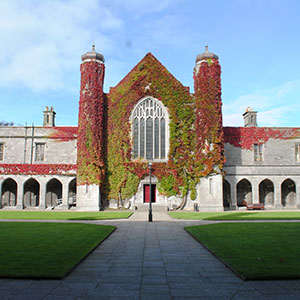
We explore and facilitate commercial opportunities for the research community at University of Galway, as well as facilitating industry partnership.
-
Alumni & Friends
Alumni & Friends
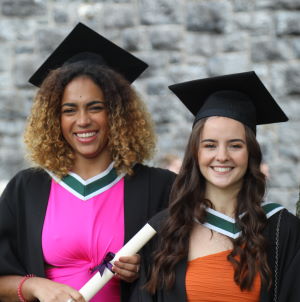
There are 128,000 University of Galway alumni worldwide. Stay connected to your alumni community! Join our social networks and update your details online.
-
Community Engagement
Community Engagement
At University of Galway, we believe that the best learning takes place when you apply what you learn in a real world context. That's why many of our courses include work placements or community projects.
 Accessibility & Language
International Opportunities
Develop a global perspective on health and healthcare
Healthcare is increasingly shaped by global issues, cultural diversity, migration, inequality, sustainability and changing population needs. Developing an understanding of these influences is an important part of preparing for contemporary nursing and midwifery practice.
Students in the School of Nursing, Midwifery and Evidence Science can explore these issues through the Global Health Elective, which combines academic learning with opportunities for service learning and community engagement.
The elective gives students an opportunity to consider health and healthcare beyond their usual clinical and cultural context, while developing greater awareness of the social, cultural and environmental factors that influence health.
Global Health Elective
The Global Health Elective gives undergraduate Nursing and Midwifery students an opportunity to explore major global health issues and consider how social, cultural, economic and environmental factors influence health and healthcare.
The 5 ECTS elective is available to students undertaking:
- Bachelor of Nursing Science (General)
- Bachelor of Nursing Science (Mental Health)
- Bachelor of Midwifery Science
The elective forms part of the Year 3 programme, with the theoretical component undertaken during Semester 1 of Year 2. Students complete approximately 26 hours of academic learning, and the grade achieved contributes towards the final degree result.
Classes also include shared learning with students from Fairfield University in the United States, providing students with an opportunity to consider global health issues alongside an international student cohort.
Global Health Elective Information
Use the sections below to find out more about the module, service-learning opportunities and how to express an interest.
What will I study?
The Global Health Elective explores major global health issues from a sustainable development perspective.
Topics may include:
- health inequalities and the social determinants of health;
- culture and communication with diverse populations;
- global health governance and the Sustainable Development Goals;
- maternal and population health;
- humanitarian emergencies;
- migration and health;
- climate change, food security and sustainability;
- gender and health; and
- mental health as a global health issue.
The module encourages students to consider how health is shaped by wider social, cultural, environmental and international influences and how these issues relate to contemporary healthcare practice.
How is the elective structured?
The theoretical component of the Global Health Elective is delivered over approximately six weeks, normally between January and February.
Students undertake approximately 26 hours of theoretical learning, including lectures, discussion and class-based activities examining contemporary global health issues.
Students may also complement their academic learning through a service-learning experience in Ireland or internationally.
The Global Health Elective can also be completed without undertaking a service-learning placement.
International service learning
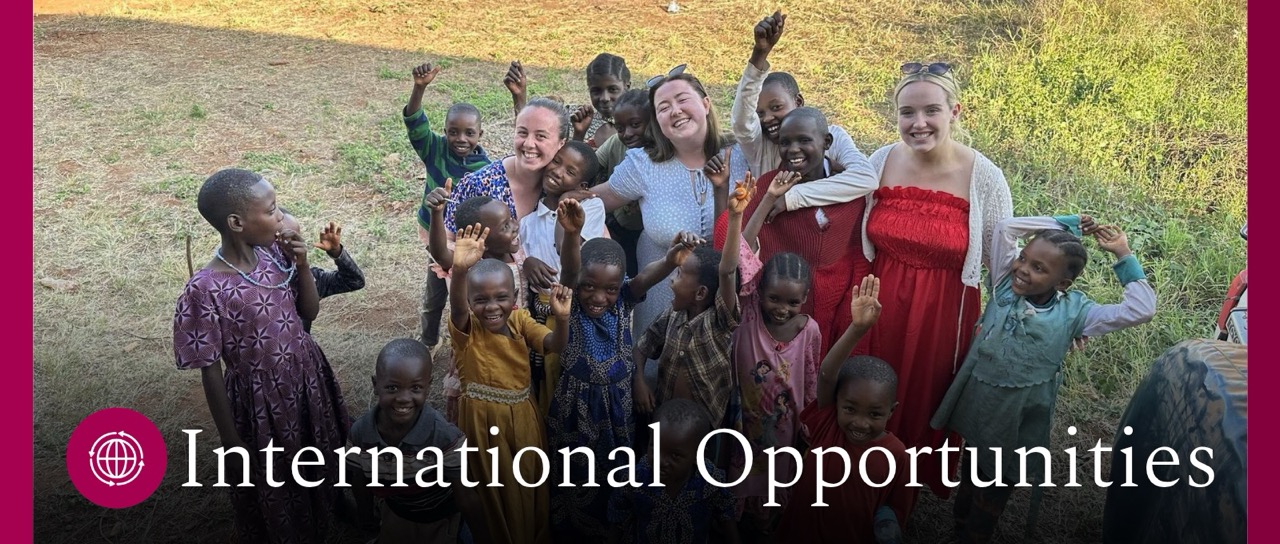
International service learning gives students an opportunity to engage with a community or non-governmental organisation and experience global health issues within a different social and cultural context.
Depending on availability in a particular academic year, opportunities may be available with NGO partners in countries such as Kenya, Tanzania and Zambia.
International service-learning experiences are normally approximately one month in duration.
Places are limited and destinations may vary from year to year. Where the number of interested students exceeds the places available, selection may include consideration of a student's statement of purpose and an interview.
Students considering an international experience should also be prepared for the financial, travel, health and fundraising requirements associated with participation.
Service learning in Galway
Students may alternatively undertake service learning with an Ireland-based organisation working in an area relevant to global or community health.
The local service-learning option normally involves at least 50 hours of engagement with an appropriate organisation.
This provides students with an opportunity to explore global health issues closer to home and consider how issues such as migration, inequality, community development, cultural diversity and social circumstances influence health within an Irish context.
Students may identify an appropriate organisation themselves or consider opportunities recommended through the University.
How do I express an interest?
Students interested in an international service-learning opportunity are normally invited to submit an Expression of Interest during Year 2.
The indicative timeline is:
| Stage | Indicative Timing |
|---|---|
| Expression of Interest | September, Year 3 |
| Selection and screening | November, Year 3 |
| Global Health teaching | January–February, Year 3 |
| Service-learning experience | May-June, Summer of Year 3 |
International places are limited. Where required, the selection process may include consideration of a student's statement of purpose and an interview.
Destinations, dates and the number of available places may change between academic years. Students should therefore refer to communications from the School for the arrangements applying to their cohort.
Costs and practical considerations
Students undertaking an international service-learning experience should expect to contribute towards the costs associated with participation.
Depending on the destination and academic year, these may include:
- flights;
- visa costs;
- vaccinations and travel-related health requirements;
- accommodation and food; and
- other travel and preparation expenses.
Students participating in some international service-learning opportunities may also be required to undertake fundraising in support of the partner organisation.
Costs and travel requirements can change. Students should therefore review the current Global Health International Experience flyer and information provided by the School before making financial or travel arrangements.
Global Health International Experience
Find out more about the Global Health Elective, including the module structure, service-learning options, indicative costs, fundraising and preparation for international participation.
Download the Global Health International Experience Flyer at the link below:
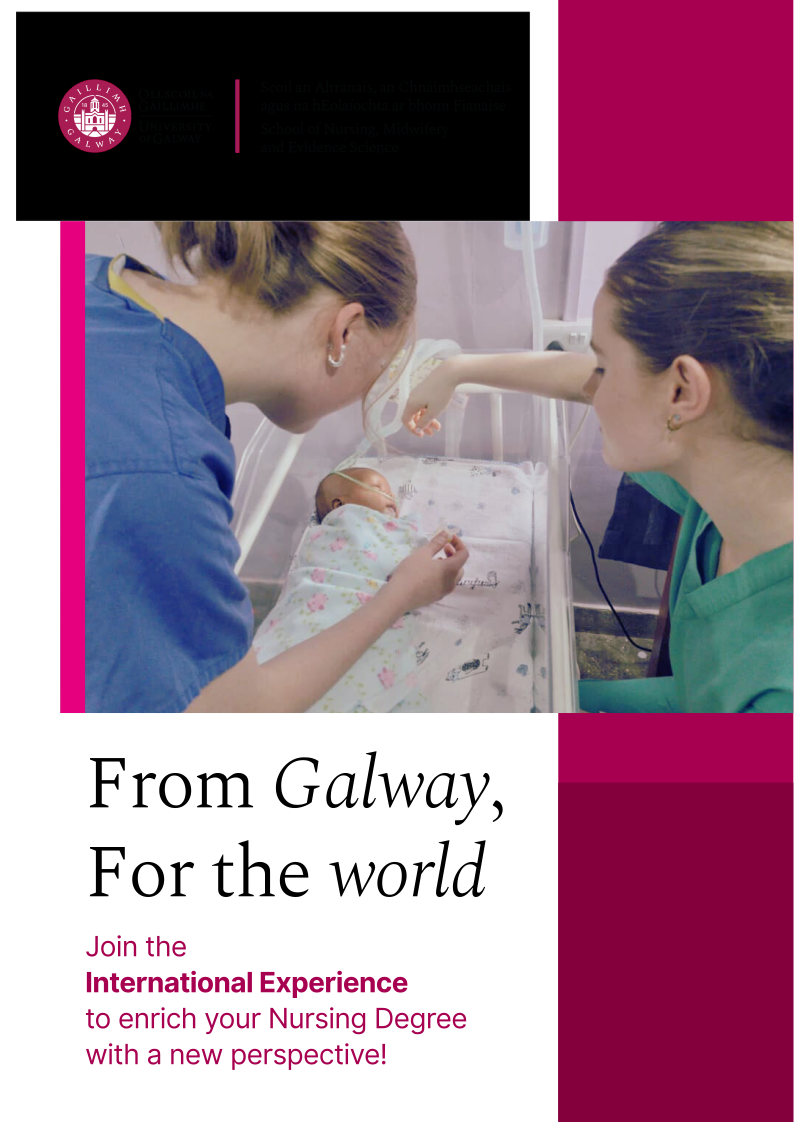
Global Health Module - International Experience AY26-27 (Brochure).pdf
Student Spotlight: Kenya 2024
Students who participate in international service learning have the opportunity to experience global health in a different cultural and community context while applying themes explored through the Global Health Elective.
Hear from University of Galway students Martha Harte, Toni Talip and Amy Flynn about their experience in Kenya in 2024 in the video below:
Developing International Opportunities
The School continues to develop international partnerships and learning opportunities for Nursing and Midwifery students.
Future opportunities may include new Erasmus+ and Study Abroad partnerships, short-term mobility and other curriculum-based international experiences.
Students will be informed through School communications and this webpage as new opportunities become available.
Further Information
For further information about the Global Health Elective, please contact:
Dr Collette Kirwan
School of Nursing, Midwifery and Evidence Science
University of Galway
Email: collete.kirwan @ universityofgalway.ie
For further information about partnerships, please contact:
Axel Prada (International Coordinator)
School of Nursing, Midwifery and Evidence Science
University of Galway
Email: axel.pradaconde @ universityofgalway.ie