-
Courses
Courses
Choosing a course is one of the most important decisions you'll ever make! View our courses and see what our students and lecturers have to say about the courses you are interested in at the links below.
-
University Life
University Life
Each year more than 4,000 choose University of Galway as their University of choice. Find out what life at University of Galway is all about here.
-
About University of Galway
About University of Galway
Since 1845, University of Galway has been sharing the highest quality teaching and research with Ireland and the world. Find out what makes our University so special – from our distinguished history to the latest news and campus developments.
-
Colleges & Schools
Colleges & Schools
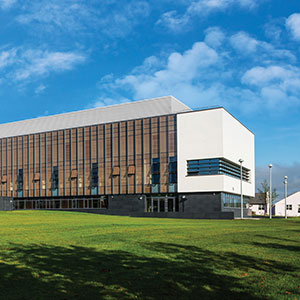
University of Galway has earned international recognition as a research-led university with a commitment to top quality teaching across a range of key areas of expertise.
-
Research & Innovation
Research & Innovation
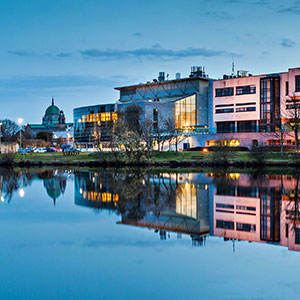
University of Galway’s vibrant research community take on some of the most pressing challenges of our times.
-
Business & Industry
Guiding Breakthrough Research at University of Galway
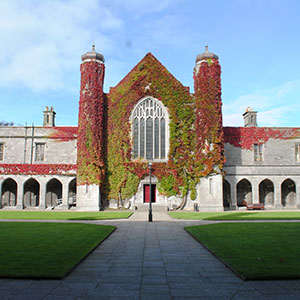
We explore and facilitate commercial opportunities for the research community at University of Galway, as well as facilitating industry partnership.
-
Alumni & Friends
Alumni & Friends
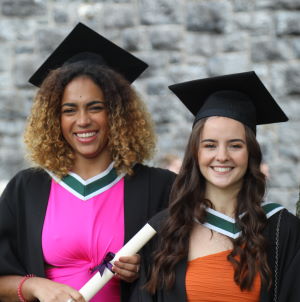
There are 128,000 University of Galway alumni worldwide. Stay connected to your alumni community! Join our social networks and update your details online.
-
Community Engagement
Community Engagement
At University of Galway, we believe that the best learning takes place when you apply what you learn in a real world context. That's why many of our courses include work placements or community projects.
 Accessibility & Language
Sludge Dewatering Process Optimisation
PROJECT OVERVIEW
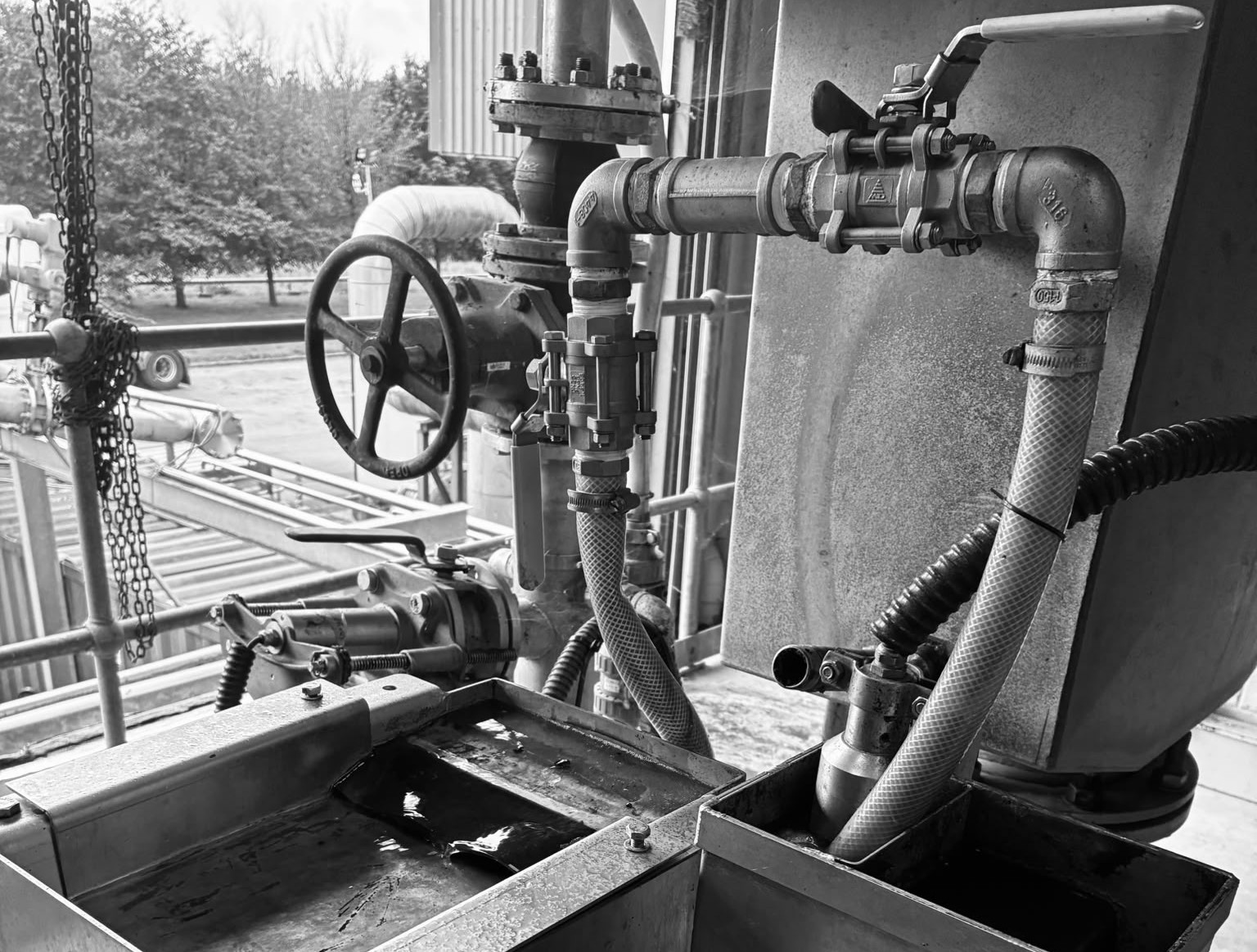
This project focuses on analysing and optimising sludge dewatering processes in water and wastewater treatment plants using real-time operational data. It investigates how key process parameters influence dewatering performance and develops a data-driven basis for improved centrifuge control and efficiency.
WHY IT MATTERS
- Sludge dewatering directly impacts operational cost, energy use, and waste volumes in treatment plants
- Improving cake dry solids reduces sludge transport and disposal costs significantly
- Better centrate quality helps ensure compliance with discharge standards and reduces process recycle loads
- Real-time monitoring enables more stable and efficient centrifuge operation
- Supports development of automated and data-driven control strategies for treatment plants
- Improves overall sustainability and resource efficiency in water infrastructure
ABSTRACT
There are a number of parameters that affect dewatering efficiency. By measuring the feed dry solids, feed Flowrate, Diff Speed, Centrate suspended solids, bowl speed, scroll speed, torque and poly usage in real time, an automatic control can be programmed to maintain consistent sludge cake and centrate product.
Effective sludge dewatering is a critical component of wastewater and water treatment operations, directly influencing overall plant efficiency, operational costs, and environmental performance. The dewatering process aims to reduce the volume of sludge produced by separating the solid and liquid fractions as efficiently as possible. Achieving higher cake dry solids (DS%) leads to significant reductions in sludge transport and disposal costs, while maintaining optimal centrate quality ensures compliance with discharge requirements and minimises return loads to the treatment process.
The goals of these investigations are to:
- Demonstrate the importance of continuous centrate suspended solids monitoring for centrifuge control.
- Assess how changes in centrifuge operating parameters affect centrate quality and cake DS%.
- Identify operating conditions that improve solids capture, polymer efficiency and process stability.
- Evaluate the relationship between feed conditions, centrate suspended solids and cake DS%.
- Reduce sludge haulage costs by improving cake DS% while maintaining acceptable centrate quality.
- Develop a data-driven basis for future automated or semi-automated centrifuge control strategies.
Supervisor:
Dr Eoghan Clifford, Ph.D, Civil Engineering, University of Galway
Kieran Pfeiffer | Mechanical Engineer
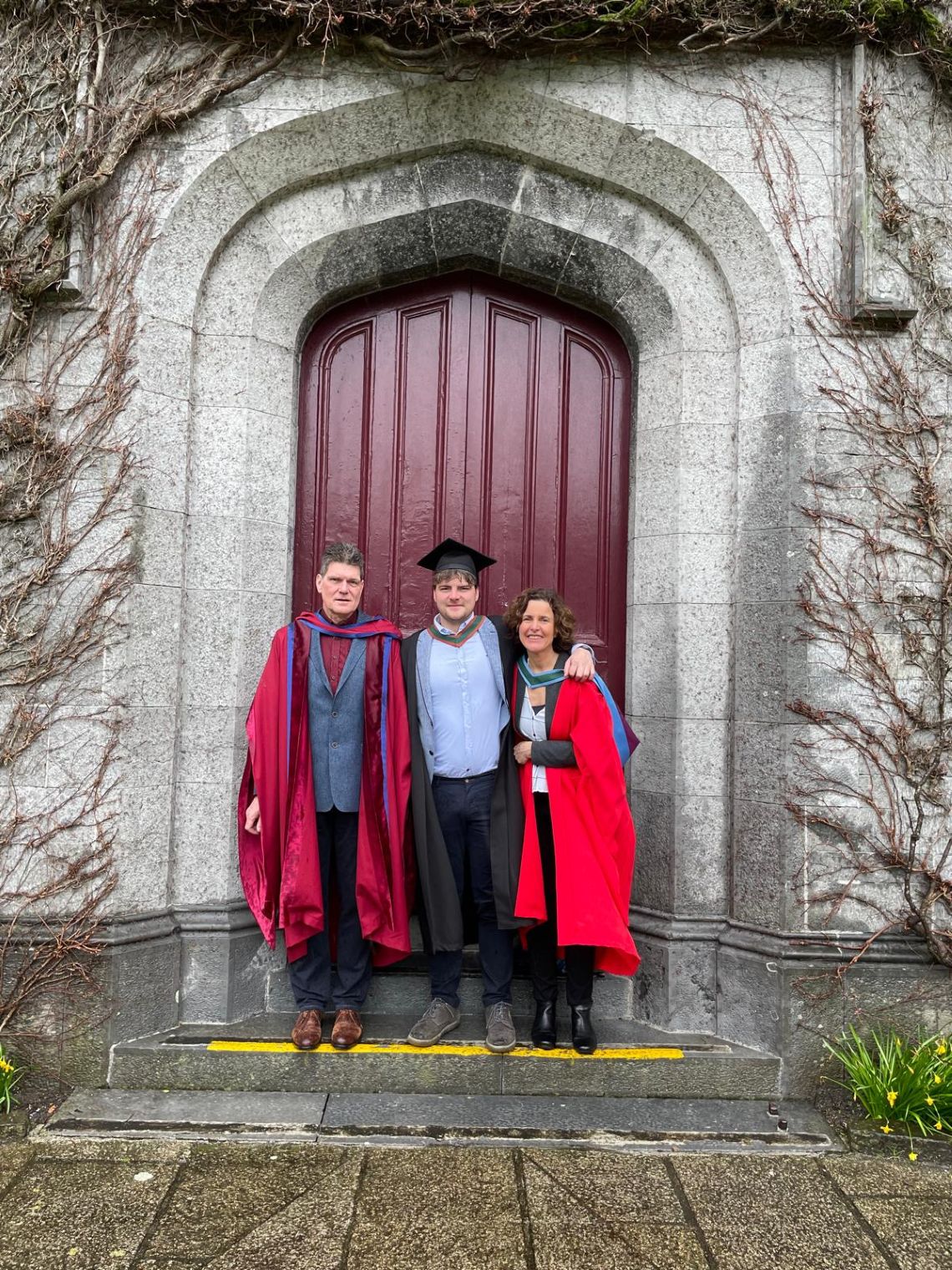
Kieran Pfeiffer is a Mechanical Engineer with Ward & Burke and a PhD researcher in Engineering at the University of Galway. Kieran has over five years of experience in the water and wastewater sector, specialising in sludge treatment and dewatering technologies. As part of Ward & Burke, he has played a key role in the design, commissioning, optimisation and operation in the upgrades works of water treatment facilities and fabrication of the containerised centrifuges used in micro-tunnelling sites. Kieran is pursuing a part-time PhD at the University of Galway. His research focuses on the real-time monitoring and optimisation of decanter centrifuges. Through the application of continuous centrate monitoring, advanced data analytics and process control strategies, he aims to improve dewatering performance, polymer efficiency, and operational decision-making. His work bridges the gap between academic research and industry practice, delivering innovative, data-driven solutions.in Connect with Kieran
 Follow the Ward & Burke Centre for Infrastructure Research & Innovation (CIRI) today.