-
Courses

Courses
Choosing a course is one of the most important decisions you'll ever make! View our courses and see what our students and lecturers have to say about the courses you are interested in at the links below.
-
University Life

University Life
Each year more than 4,000 choose University of Galway as their University of choice. Find out what life at University of Galway is all about here.
-
About University of Galway

About University of Galway
Since 1845, University of Galway has been sharing the highest quality teaching and research with Ireland and the world. Find out what makes our University so special – from our distinguished history to the latest news and campus developments.
-
Colleges & Schools

Colleges & Schools
University of Galway has earned international recognition as a research-led university with a commitment to top quality teaching across a range of key areas of expertise.
-
Research & Innovation

Research & Innovation
University of Galway’s vibrant research community take on some of the most pressing challenges of our times.
-
Business & Industry
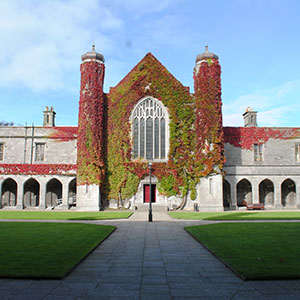
Guiding Breakthrough Research at University of Galway
We explore and facilitate commercial opportunities for the research community at University of Galway, as well as facilitating industry partnership.
-
Alumni & Friends

Alumni & Friends
There are 128,000 University of Galway alumni worldwide. Stay connected to your alumni community! Join our social networks and update your details online.
-
Community Engagement
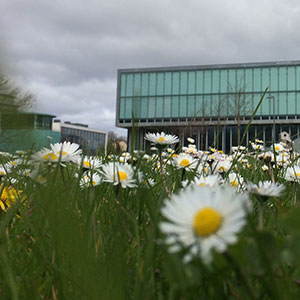
Community Engagement
At University of Galway, we believe that the best learning takes place when you apply what you learn in a real world context. That's why many of our courses include work placements or community projects.
 Accessibility & Language
Theme 1 - Enterprise IT Governance
Govern with Purpose, Build for Performance
Enterprise IT Governance is recognised as a critical enabler for the University’s strategic priorities. By embedding IT governance across teaching, research, and operations, the University ensures technology is leveraged responsibly, efficiently, and in alignment with institutional goals and as such delivering measurable benefits for students, staff, and the wider academic community.
Teaching & Learning
- Governance frameworks that underpin the deployment and support of educational technologies, ensuring robust, secure, and innovative digital learning environments.
- Ensure technology investments deliver value for money and directly enhance student engagement, learning outcomes, and staff experience.
- Empower staff and students to leverage digital platforms for self-directed learning and collaboration.
Research
- Facilitate secure, resilient, and interoperable systems that underpin research excellence and collaboration.
- Enable the translation of research outputs into teaching and support data-driven research through strong data governance and compliance.
- Support partnerships and knowledge sharing within the University, through international collaboration, and with external research bodies.
Operational Excellence
- Deliver a next-generation operating model for Information Solutions and Services (ISS), optimising infrastructure, support and cyber security.
- Implement principles-based digital governance to ensure value for money, risk management, and continuous service improvement.
- Focus on business continuity, performance monitoring, and capacity management to maintain high standards of operational reliability and resilience.
Holistic, University-Wide Impact
- Align IT initiatives with University-wide strategic priorities, ensuring that digital transformation benefits all core functions: teaching, research, and operations.
- Encourage a culture of accountability, clear roles, and measured improvement building on core competencies and mature capabilities.
- Employ best practice frameworks and reference architectures such as COBIT and the UCISA reference architecture for higher education.
- Foster business partnerships and two-way communication between ISS, academic, and administrative units for shared success