-
Courses

Courses
Choosing a course is one of the most important decisions you'll ever make! View our courses and see what our students and lecturers have to say about the courses you are interested in at the links below.
-
University Life

University Life
Each year more than 4,000 choose University of Galway as their University of choice. Find out what life at University of Galway is all about here.
-
About University of Galway
About University of Galway
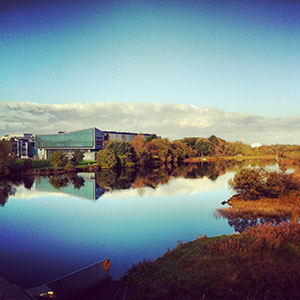
Since 1845, University of Galway has been sharing the highest quality teaching and research with Ireland and the world. Find out what makes our University so special – from our distinguished history to the latest news and campus developments.
-
Colleges & Schools
Colleges & Schools
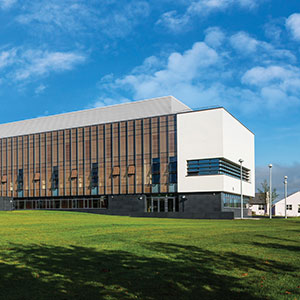
University of Galway has earned international recognition as a research-led university with a commitment to top quality teaching across a range of key areas of expertise.
-
Research & Innovation
Research & Innovation
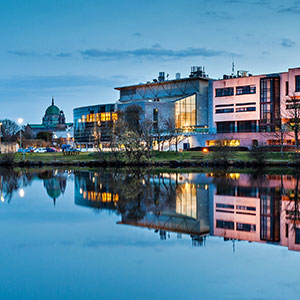
University of Galway’s vibrant research community take on some of the most pressing challenges of our times.
-
Business & Industry
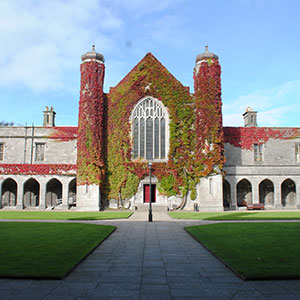
Guiding Breakthrough Research at University of Galway
We explore and facilitate commercial opportunities for the research community at University of Galway, as well as facilitating industry partnership.
-
Alumni & Friends

Alumni & Friends
There are 128,000 University of Galway alumni worldwide. Stay connected to your alumni community! Join our social networks and update your details online.
-
Community Engagement
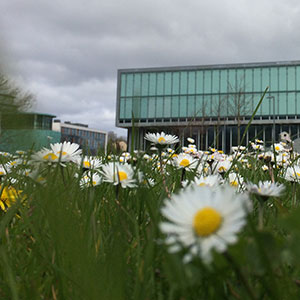
Community Engagement
At University of Galway, we believe that the best learning takes place when you apply what you learn in a real world context. That's why many of our courses include work placements or community projects.
 Accessibility & Language
Unit Aspect
The unit leader - Niall Ó Brolcháin
niall.obrolchain@universityofgalway.ie
ASPECT is a research unit within SFI’s Insight Research Centre which analyses multimodal data to produce tools and policy recommendations, aiding policy makers in building new policies or improving existing policy implementation to more successfully achieve sustainability goals from local to EU levels.
Why are Analytics for Sustainable Policies needed?
Policies in this rapidly evolving world are often static and unable to keep up with the pace of change. Thus, to help policymakers and stakeholders adapt to these constant changes, ASPECT will provide the tools to build resilient evidence-based policy solutions that are flexible and adaptable to take account of current data. This dynamic evidence-based approach is especially valuable in policy making for the environment, sustainable development, and Just Transition.
Our Work
Current focus areas for ASPECT include: Climate Transition, Land Use, Peatlands, Sustainability, Environment & Health, Water Quality & Waste-Water Treatment, Soil Health, Biodiversity, Energy and Nature-Based Solutions.
Example: A Toolkit for Policymakers
The Peatland Policy Portal will provide a comprehensive dashboard for exploring the current state of peatland related policies and projects throughout Europe, as well as providing tools to aid in the development of effective evidence-based policies for peatland restoration and transformation.
Our Aims
ASPECT aims to develop tools and interfaces to help users find, understand, analyse, create, and improve policies and their implementations, that are impactful and based on evidence from the field.
Analytics: Collect, synthesize & analyze quantitative and qualitative data applicable to sustainable policy development.
Sustainability: Focus areas are identified under SDGs and the EU Green Deal based on existing linkage to our internal research capacity.
Policy: Introduce smart evidence-based tools and associated recommendations for relevant policymakers at every stage of the policy cycle.
Environment: Utilise multimodal data using Artificial Intelligence and machine learning to enable sustainable environmental policy development.
Climate: Develop new toolkits for climate policy to enable policymakers to reduce greenhouse gas emissions.
Transition: Engage with a broad range of stakeholders and partners across Europe using the quadruple helix model for collaboration (academia, government, community, business and industry) to transition to a brighter future.