-
Courses
Courses
Choosing a course is one of the most important decisions you'll ever make! View our courses and see what our students and lecturers have to say about the courses you are interested in at the links below.
-
University Life
University Life
Each year more than 4,000 choose University of Galway as their University of choice. Find out what life at University of Galway is all about here.
-
About University of Galway
About University of Galway
Since 1845, University of Galway has been sharing the highest quality teaching and research with Ireland and the world. Find out what makes our University so special – from our distinguished history to the latest news and campus developments.
-
Colleges & Schools
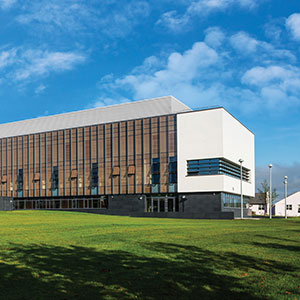
Colleges & Schools
University of Galway has earned international recognition as a research-led university with a commitment to top quality teaching across a range of key areas of expertise.
-
Research & Innovation
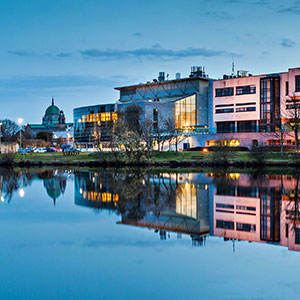
Research & Innovation
University of Galway’s vibrant research community take on some of the most pressing challenges of our times.
-
Business & Industry
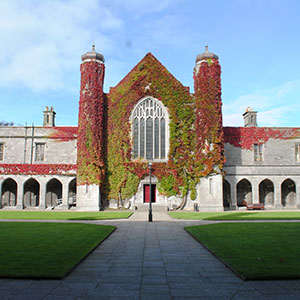
Guiding Breakthrough Research at University of Galway
We explore and facilitate commercial opportunities for the research community at University of Galway, as well as facilitating industry partnership.
-
Alumni & Friends
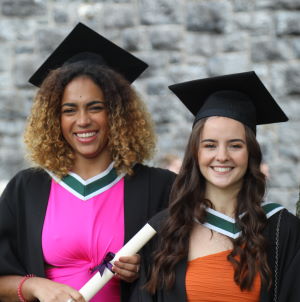
Alumni & Friends
There are 128,000 University of Galway alumni worldwide. Stay connected to your alumni community! Join our social networks and update your details online.
-
Community Engagement
Community Engagement
At University of Galway, we believe that the best learning takes place when you apply what you learn in a real world context. That's why many of our courses include work placements or community projects.
 Accessibility & Language
Health Psychology Practice (Structured PhD)
Structured PhD (Health Psychology Practice)
Course Overview
The Doctor of Philosophy (PhD) in Health Psychology Practice is a four-year (full-time) postgraduate research and professional training qualification. It is also available part-time (six years' duration). The PhD has been developed in line with the Psychological Society of Ireland (PSI) ratified guidelines for postgraduate programmes for Health Psychology Practitioners. The PhD provides ‘Stage 2’ training in Health Psychology Practice, building on ‘Stage 1’ academic training in health psychology provided through Masters programmes in Health Psychology.
This is a new and exciting Programme, the first of its type in the Republic of Ireland. Trainees, through supervised practice in applied settings, develop core health psychology practice skills to work as Health Psychology Practitioners. Health Psychologists are employed in a number of settings, including hospitals, academic health research units, health services, primary care, government departments and university departments.
The programme combines a PhD thesis with training and supervised practice to develop five core Health Psychology competencies:
- Generic Professional Competence
- Health Psychology Interventions Competence
- Consultancy Competence
- Teaching and Training Competence
- Research Competence
The PhD allows students to gain eligibility for Registered Membership of the PSI as a Registered Psychologist and become a full member of the PSI Division of Health Psychology.
Supervised practice
Supervised practice will allow students to gain direct experience of professional working and to develop the knowledge and skills necessary to practice as an independent health psychologist. During the course of the programmes students will:
- Gain experience within at least two distinct settings: relevant settings shall include university or educational settings, health promotion organisations, community settings and health services.
- Gain experience with a minimum of two different types of clients: relevant client groups shall include health service users and providers, health professionals, health professional students, multidisciplinary research groups and community groups.
- Document a minimum of 140 hours client contact time over the duration of their training. Contact time should be spread across a number of client groups and settings.
Supervision
Students will have one primary supervisor based at NUI Galway, who should be eligible for Registered Membership of PSI and for Full Membership of the Division of Health Psychology. Co-supervisors may be appointed as required to facilitate students to gain the required competencies and breadth of experience, and to develop a multi-disciplinary perspective.
Programmes Available
Postgraduate Research PhD
Full-time: 6 years; part-time 4 years
Applications are made online via the University of Galway Postgraduate Applications System.
Associated
Learning Outcomes
Entry Requirements
A PSI accredited MSc in Health Psychology, or equivalent, is required for entry. Entrants will be expected to have no less than an upper second class honours undergraduate degree in psychology. Candidates should be proficient in the use of the English language.
Students are selected by a Course Committee comprising the course Director(s), prospective research supervisor(s) and Head of School of Psychology. An interview process forms part of the selection procedure.
Assessment
The Programme is assessed by:
- Examination of PhD Thesis: the PhD thesis must demonstrate the advancement of knowledge through original research on a health-related topic. The thesis must adhere to the requirements, structure and format outlined in the University Guidelines for Research Degree Programmes.
- Examination of portfolio of competence: the portfolio of competence provides evidence that the trainee has gained relevant experience in each of the five practice competencies (listed above).
Who’s Suited to This Course
Current research projects
Current funded research opportunity
Work Placement
Related Student Organisations
Career Opportunities
Find a Supervisor / PhD Project
If you are still looking for a potential supervisor or PhD project or would like to identify the key research interests of our academic staff and researchers, you can use our online portal to help in that search
Course Outline
Curriculum Information
Curriculum information relates to the current academic year (in most cases).Course and module offerings and details may be subject to change.
Glossary of Terms
- Credits
- You must earn a defined number of credits (aka ECTS) to complete each year of your course. You do this by taking all of its required modules as well as the correct number of optional modules to obtain that year's total number of credits.
- Module
- An examinable portion of a subject or course, for which you attend lectures and/or tutorials and carry out assignments. E.g. Algebra and Calculus could be modules within the subject Mathematics. Each module has a unique module code eg. MA140.
- Subject
- Some courses allow you to choose subjects, where related modules are grouped together. Subjects have their own required number of credits, so you must take all that subject's required modules and may also need to obtain the remainder of the subject's total credits by choosing from its available optional modules.
- Optional
- A module you may choose to study.
- Required
- A module that you must study if you choose this course (or subject).
- Required Core Subject
- A subject you must study because it's integral to that course.
- Semester
- Most courses have 2 semesters (aka terms) per year, so a three-year course will have six semesters in total. For clarity, this page will refer to the first semester of year 2 as 'Semester 3'.
Year 1 (0 Credits)
OptionalED650: Education - 0 Credits - Semester 1OptionalIR650: Irish Studies - 0 Credits - Semester 1
OptionalLC650: Léann Ceilteach - 0 Credits - Semester 1
OptionalAR650: Archaeology - Credits - Semester 1
OptionalCC650: Classical Civilisation - 0 Credits - Semester 1
OptionalCEL700: Research in Higher Education - Credits - Semester 1
OptionalMVS650: Medieval Studies - 0 Credits - Semester 1
OptionalNG650: Gaeilge - 0 Credits - Semester 1
OptionalPI650: Philosophy - 0 Credits - Semester 1
OptionalPN650: Political Science - Credits - Semester 1
OptionalPS650: Psychology - Credits - Semester 1
OptionalSG650: Sean agus Meán Ghaeilge - 0 Credits - Semester 1
OptionalSH650: Spanish - 0 Credits - Semester 1
OptionalSO650: Sociology - Credits - Semester 1
OptionalTI650: Tireolaiocht - Credits - Semester 1
OptionalWS650: Women's Studies - Credits - Semester 1
OptionalCS650: Children's Studies - 0 Credits - Semester 1
OptionalMVS600: Medieval Studies - 0 Credits - Semester 1
OptionalSP650: Sociology - Credits - Semester 1
OptionalMU650: Music - 0 Credits - Semester 1
OptionalDJ650: Journalism Media and Communication - 0 Credits - Semester 1
OptionalTS650: Translation Studies - 0 Credits - Semester 1
OptionalCDT650: Creative Technologies (Drama Theatre & Performance) - 0 Credits - Semester 1
OptionalDT650: Drama and Theatre Studies - 0 Credits - Semester 1
OptionalCEN650: Creative Technologies (English) - 0 Credits - Semester 1
OptionalCFM650: Creative Technologies (Film & Digital Media) - 0 Credits - Semester 1
OptionalSP750: Political Science and Sociology - Credits - Semester 2
OptionalICS650: International Cultural Studies - 0 Credits - Semester 2
Year 2 (90 Credits)
OptionalAR650: Archaeology - Credits - Semester 4OptionalHP846: Foundations of Health Promotion - 10 Credits - Semester 4
OptionalCC650: Classical Civilisation - 0 Credits - Semester 4
OptionalCEL700: Research in Higher Education - Credits - Semester 4
OptionalCL650: Celtic Studies - 0 Credits - Semester 4
OptionalEC650: Economics - Credits - Semester 4
OptionalED650: Education - 0 Credits - Semester 4
OptionalEN660: English - Credits - Semester 4
OptionalFR650: French - 0 Credits - Semester 4
OptionalFS660: Film Studies (Huston School) - 0 Credits - Semester 4
OptionalFS670: Film and Media Practice - 0 Credits - Semester 4
OptionalGR650: German - 0 Credits - Semester 4
OptionalHI650: History - 0 Credits - Semester 4
OptionalHP650: Health Promotion - 0 Credits - Semester 4
OptionalIL650: Irish Language Studies - 0 Credits - Semester 4
OptionalIR650: Irish Studies - 0 Credits - Semester 4
OptionalLAS650: Latin American Studies - 0 Credits - Semester 4
OptionalLC650: Léann Ceilteach - 0 Credits - Semester 4
OptionalMA650: Mathematics - 0 Credits - Semester 4
OptionalNG650: Gaeilge - 0 Credits - Semester 4
OptionalPI650: Philosophy - 0 Credits - Semester 4
OptionalPN650: Political Science - Credits - Semester 4
OptionalSG650: Sean agus Meán Ghaeilge - 0 Credits - Semester 4
OptionalSH650: Spanish - 0 Credits - Semester 4
OptionalSO650: Sociology - Credits - Semester 4
OptionalWS650: Women's Studies - Credits - Semester 4
OptionalCS650: Children's Studies - 0 Credits - Semester 4
OptionalMVS650: Medieval Studies - 0 Credits - Semester 4
OptionalPS650: Psychology - Credits - Semester 4
OptionalMVS600: Medieval Studies - 0 Credits - Semester 4
OptionalDT650: Drama and Theatre Studies - 0 Credits - Semester 4
OptionalTI650: Tireolaiocht - Credits - Semester 4
OptionalTS650: Translation Studies - 0 Credits - Semester 4
OptionalDJ650: Journalism Media and Communication - 0 Credits - Semester 4
OptionalCMU650: Creative Technologies (Music) - 0 Credits - Semester 4
OptionalMU650: Music - 0 Credits - Semester 4
OptionalCCN650: Creative Technologies (Childrens Studies) - 0 Credits - Semester 4
OptionalCDT650: Creative Technologies (Drama Theatre & Performance) - 0 Credits - Semester 4
OptionalCED650: Creative Technologies (Education) - 0 Credits - Semester 4
OptionalCEN650: Creative Technologies (English) - 0 Credits - Semester 4
OptionalCFM650: Creative Technologies (Film & Digital Media) - 0 Credits - Semester 4
OptionalCJO650: Creative Technologies (Journalism Media & Communication) - 0 Credits - Semester 4
OptionalCPI650: Creative Technologies (Philosophy) - 0 Credits - Semester 4
OptionalCPS650: Creative Technologies (Psychology) - 0 Credits - Semester 4
OptionalPI6101: The Philosophy of Emotion - 10 Credits - Semester 4
OptionalSPA459: Research Ethics - 5 Credits - Semester 4
OptionalED6167: Educational Research Methodology and Development - 10 Credits - Semester 4
OptionalED6182: Theoretical Foundations of Education - 10 Credits - Semester 4
OptionalRM055: Research Component - 55 Credits - Semester 4
OptionalRM060: Research Component - 60 Credits - Semester 4
OptionalRM065: Research Component - 65 Credits - Semester 4
OptionalRM070: Research Component - 70 Credits - Semester 4
OptionalRM075: Research Component - 75 Credits - Semester 4
OptionalRM080: Research Component - 80 Credits - Semester 4
OptionalRM085: Research Component - 85 Credits - Semester 4
OptionalRM090: Research Component - 90 Credits - Semester 4
OptionalGS501: Seminar Programme - 5 Credits - Semester 4
OptionalGS507: Statistical Methods for Research - 5 Credits - Semester 4
OptionalGS509: Participation in Workshops/Courses - 5 Credits - Semester 4
OptionalGS5104: Intensive Writing Workshop - 5 Credits - Semester 4
OptionalGS5107: Work Based Placement 1 - 5 Credits - Semester 4
OptionalGS5108: Work Based Placement 2 - 10 Credits - Semester 4
OptionalGS5109: Work Based Placement 3 - 15 Credits - Semester 4
OptionalGS511: Research Placement 1 - 5 Credits - Semester 4
OptionalGS513: Research Placement 2 - 10 Credits - Semester 4
OptionalGS514: Research Placement 3 - 15 Credits - Semester 4
OptionalGS515: Research Paper Publication - 5 Credits - Semester 4
OptionalGS526: Oral/poster communications (year 1 - 3) - 5 Credits - Semester 4
OptionalGS530: Graduate Research Information Skills - 5 Credits - Semester 4
OptionalGS536: Communication & Outreach - 5 Credits - Semester 4
OptionalIT650: Italian - 0 Credits - Semester 4
OptionalGR130: Beginners German Language 1 - 5 Credits - Semester 4
OptionalSPA6100: Academic Writing: Scholarly Publication - 5 Credits - Semester 4
OptionalGR142: Advanced German Language 1 - 5 Credits - Semester 4
OptionalSPA6101: Academic Writing: Scholarly Communications - 5 Credits - Semester 4
OptionalSPA6102: Academic Writing: Report - 5 Credits - Semester 4
OptionalSPA6103: Public Speaking: Research Presentation - 5 Credits - Semester 4
OptionalSPA6104: Editorial Project - 5 Credits - Semester 4
OptionalSPA6105: Project Management: Workshops, Short Courses, or a Seminar Series (small-scale) - 5 Credits - Semester 4
OptionalSPA6106: Project Management: Workshops, Short Courses, or a Seminar Series (large-scale) - 10 Credits - Semester 4
OptionalSPA6107: Creative Output (small-scale) - 5 Credits - Semester 4
OptionalSPA6108: Creative Output (medium-scale) - 10 Credits - Semester 4
OptionalSPA6109: Postgraduate Funding Application - 5 Credits - Semester 4
OptionalSPA6110: Research Funding Application - 5 Credits - Semester 4
OptionalSPA6111: Professional Development for Researchers - 5 Credits - Semester 4
OptionalFM6118: Research in Sport - 10 Credits - Semester 4
OptionalSPA400: Theory/ Methodologies: Humanities - 5 Credits - Semester 4
OptionalSPA441: Archaeological Specialisms - 10 Credits - Semester 4
OptionalDT6130: Critical Methods in Drama, Theatre and Performance - 10 Credits - Semester 4
OptionalGG101: Gender Perspectives on Globalisation - 10 Credits - Semester 4
OptionalFR6101: Language, Gender and Power - 10 Credits - Semester 4
OptionalPI6100: Value and Knowledge - 10 Credits - Semester 4
OptionalDJ6127: Global Media and Society - 10 Credits - Semester 4
OptionalMIC6101: Worlds of Fantasy: Literature, Film, Computer Games - 10 Credits - Semester 4
OptionalMIC504: The Art of Reading - 10 Credits - Semester 4
OptionalEN601: Writing Workshop: Poetry - 10 Credits - Semester 4
OptionalFM6115: Short Filmmaking for Advocates - 10 Credits - Semester 4
OptionalDT6108: Exploring Michael Chekhov Technique - 10 Credits - Semester 4
OptionalFM6123: American Cinema: History, Aesthetics, Ideology - 10 Credits - Semester 4
OptionalSPA447: Reflective Practice in Teaching Classics and Late Antiquity - 10 Credits - Semester 4
OptionalCC514: Intermediate/Advanced Ancient Languages I - 10 Credits - Semester 4
OptionalCC517: Beginning Ancient Languages 1 - 10 Credits - Semester 4
OptionalCC6100: Earlier Ancient Greek Texts for Researchers - 10 Credits - Semester 4
OptionalCC6101: Later Ancient Greek Texts for Researchers - 10 Credits - Semester 4
OptionalCC6102: Earlier Latin Texts for Researchers - 10 Credits - Semester 4
OptionalCC6103: Later Latin Texts for Researchers - 10 Credits - Semester 4
OptionalCC6104: Case Study in Manuscript Analysis - 10 Credits - Semester 4
OptionalPI6110: Ethics and Artificial Intelligence - 10 Credits - Semester 4
OptionalSP6132: Feminist and Gender Theorising I: Key concepts in context - 5 Credits - Semester 4
OptionalPS6184: Children and Youth - Contemporary Issues - 5 Credits - Semester 4
OptionalTI6142: Geospatial Techniques - 10 Credits - Semester 4
OptionalSP6159: Critical Theory and Media: Power, Resistance and Social Change - 10 Credits - Semester 4
OptionalCC230: Beginning Latin Part 1 - 5 Credits - Semester 4
OptionalGS505: Graduate Research Skills - 5 Credits - Semester 4
OptionalGL2103: Introduction to Indonesian Language and Culture - 5 Credits - Semester 4
OptionalGS502: Journal Club Programme - 5 Credits - Semester 4
OptionalSP6170: Science Policy, Diplomacy and Climate Action - 5 Credits - Semester 4
RequiredGS535: Induction and Professional Development - 5 Credits - Semester 4
OptionalFM521: Critical Theory I - 10 Credits - Semester 4
OptionalCC601: Classics - 0 Credits - Semester 5
OptionalSP750: Political Science and Sociology - Credits - Semester 5
OptionalPI6102: Political values in the modern world - 10 Credits - Semester 5
OptionalDJ6122: Researching the Media - 5 Credits - Semester 5
OptionalPI6115: Research seminar: Participation and Management - 5 Credits - Semester 5
OptionalGS506: Teaching & Learning - 5 Credits - Semester 5
OptionalSP220: Methods For Social And Political Science - 5 Credits - Semester 5
OptionalGG6109: Gender, Sexuality and Global Health - 10 Credits - Semester 5
OptionalGG106: Women, Conflict and Human Security - 5 Credits - Semester 5
OptionalGG6103: Development and Human Rights - 5 Credits - Semester 5
OptionalDJ6133: Data Journalism and Visualisation - 10 Credits - Semester 5
OptionalHI6101: Youth in transition: 1870-1970 - 10 Credits - Semester 5
OptionalHI6100: NGOs and the Making of the 20th Century World - 10 Credits - Semester 5
OptionalSP6122: Social and Political Context of Activism and Advocacy - 10 Credits - Semester 5
OptionalSP6143: Urban Public Policy: Smart and Liveable Cities - 10 Credits - Semester 5
OptionalFM6119: Film, Politics, and Colonialism - 10 Credits - Semester 5
OptionalMIC501: Contemporary Literary Genres - 10 Credits - Semester 5
OptionalMIC6100: Resisting through Culture: Conflicts in Europe and Beyond - 10 Credits - Semester 5
OptionalEN547: Literature And Colonialism - 10 Credits - Semester 5
OptionalEN6139: Diversity and Activism in YA Fiction - 10 Credits - Semester 5
OptionalFM6117: Sport and Film - 10 Credits - Semester 5
OptionalDT6113: Applied Dramaturgy - 10 Credits - Semester 5
OptionalFM6125: Global Cinemas: Expanding Film - 10 Credits - Semester 5
OptionalCC516: Intermediate/Advanced Ancient Languages 2 - 10 Credits - Semester 5
OptionalCC518: Beginning Ancient Languages 2 - 10 Credits - Semester 5
OptionalGR131: Beginners German Language 2 - 5 Credits - Semester 5
OptionalGR237: German Language II - 5 Credits - Semester 5
OptionalEC5153: Applied Behavioural Economics and Finance - 10 Credits - Semester 5
OptionalICS650: International Cultural Studies - 0 Credits - Semester 5
OptionalSP6133: Feminist and Gender Theorising II: Issues and Debates in Contemporary Feminism - 5 Credits - Semester 5
OptionalSP6108: Critical Reflective Practice - 10 Credits - Semester 5
OptionalGG113: Applied Gender Analyses - 5 Credits - Semester 5
OptionalPS6185: Perspectives on Childhood and Youth - 5 Credits - Semester 5
OptionalSP6149: Conflict, Peace and Security - 10 Credits - Semester 5
OptionalIT6102: Language for Environmental Futures - 5 Credits - Semester 5
OptionalCC232: Beginning Latin Part 2 - 5 Credits - Semester 5
OptionalSP420: Sociology Of The Environment - 5 Credits - Semester 5
OptionalSP6120: Irish Politics, North and South - 10 Credits - Semester 5
Year 3 (90 Credits)
OptionalGS5108: Work Based Placement 2 - 10 Credits - Semester 7OptionalGS5107: Work Based Placement 1 - 5 Credits - Semester 7
OptionalGS501: Seminar Programme - 5 Credits - Semester 7
OptionalGS509: Participation in Workshops/Courses - 5 Credits - Semester 7
OptionalGS511: Research Placement 1 - 5 Credits - Semester 7
OptionalGS513: Research Placement 2 - 10 Credits - Semester 7
OptionalGS514: Research Placement 3 - 15 Credits - Semester 7
OptionalGS515: Research Paper Publication - 5 Credits - Semester 7
OptionalGS526: Oral/poster communications (year 1 - 3) - 5 Credits - Semester 7
OptionalGS535: Induction and Professional Development - 5 Credits - Semester 7
OptionalAR650: Archaeology - Credits - Semester 7
OptionalCC650: Classical Civilisation - 0 Credits - Semester 7
OptionalCEL700: Research in Higher Education - Credits - Semester 7
OptionalCL650: Celtic Studies - 0 Credits - Semester 7
OptionalDT650: Drama and Theatre Studies - 0 Credits - Semester 7
OptionalEC650: Economics - Credits - Semester 7
OptionalED650: Education - 0 Credits - Semester 7
OptionalEN660: English - Credits - Semester 7
OptionalFR650: French - 0 Credits - Semester 7
OptionalFS660: Film Studies (Huston School) - 0 Credits - Semester 7
OptionalFS670: Film and Media Practice - 0 Credits - Semester 7
OptionalGR650: German - 0 Credits - Semester 7
OptionalHI650: History - 0 Credits - Semester 7
OptionalHP650: Health Promotion - 0 Credits - Semester 7
OptionalGS530: Graduate Research Information Skills - 5 Credits - Semester 7
OptionalIL650: Irish Language Studies - 0 Credits - Semester 7
OptionalIR650: Irish Studies - 0 Credits - Semester 7
OptionalIT650: Italian - 0 Credits - Semester 7
OptionalLAS650: Latin American Studies - 0 Credits - Semester 7
OptionalLC650: Léann Ceilteach - 0 Credits - Semester 7
OptionalMA650: Mathematics - 0 Credits - Semester 7
OptionalMIC504: The Art of Reading - 10 Credits - Semester 7
OptionalMVS650: Medieval Studies - 0 Credits - Semester 7
OptionalNG650: Gaeilge - 0 Credits - Semester 7
OptionalPI650: Philosophy - 0 Credits - Semester 7
OptionalPN650: Political Science - Credits - Semester 7
OptionalPS650: Psychology - Credits - Semester 7
OptionalRM050: Research Component - 50 Credits - Semester 7
OptionalRM055: Research Component - 55 Credits - Semester 7
OptionalRM060: Research Component - 60 Credits - Semester 7
OptionalRM065: Research Component - 65 Credits - Semester 7
OptionalRM070: Research Component - 70 Credits - Semester 7
OptionalRM075: Research Component - 75 Credits - Semester 7
OptionalRM080: Research Component - 80 Credits - Semester 7
OptionalRM085: Research Component - 85 Credits - Semester 7
OptionalRM090: Research Component - 90 Credits - Semester 7
OptionalSG650: Sean agus Meán Ghaeilge - 0 Credits - Semester 7
OptionalGR130: Beginners German Language 1 - 5 Credits - Semester 7
OptionalSH650: Spanish - 0 Credits - Semester 7
OptionalGR142: Advanced German Language 1 - 5 Credits - Semester 7
OptionalSO650: Sociology - Credits - Semester 7
OptionalSPA400: Theory/ Methodologies: Humanities - 5 Credits - Semester 7
OptionalSPA447: Reflective Practice in Teaching Classics and Late Antiquity - 10 Credits - Semester 7
OptionalTI650: Tireolaiocht - Credits - Semester 7
OptionalWS650: Women's Studies - Credits - Semester 7
OptionalGS5109: Work Based Placement 3 - 15 Credits - Semester 7
OptionalEN601: Writing Workshop: Poetry - 10 Credits - Semester 7
OptionalCS650: Children's Studies - 0 Credits - Semester 7
OptionalGS5104: Intensive Writing Workshop - 5 Credits - Semester 7
OptionalMVS600: Medieval Studies - 0 Credits - Semester 7
OptionalFM6118: Research in Sport - 10 Credits - Semester 7
OptionalGS536: Communication & Outreach - 5 Credits - Semester 7
OptionalDT6130: Critical Methods in Drama, Theatre and Performance - 10 Credits - Semester 7
OptionalGS507: Statistical Methods for Research - 5 Credits - Semester 7
OptionalFM6115: Short Filmmaking for Advocates - 10 Credits - Semester 7
OptionalSPA441: Archaeological Specialisms - 10 Credits - Semester 7
OptionalMVS660: Medieval Studies (English) - 0 Credits - Semester 7
OptionalMVS670: Medieval Studies (History) - 0 Credits - Semester 7
OptionalPI6101: The Philosophy of Emotion - 10 Credits - Semester 7
OptionalDT6108: Exploring Michael Chekhov Technique - 10 Credits - Semester 7
OptionalED6167: Educational Research Methodology and Development - 10 Credits - Semester 7
OptionalSPA6100: Academic Writing: Scholarly Publication - 5 Credits - Semester 7
OptionalSPA6101: Academic Writing: Scholarly Communications - 5 Credits - Semester 7
OptionalSPA6102: Academic Writing: Report - 5 Credits - Semester 7
OptionalSPA6103: Public Speaking: Research Presentation - 5 Credits - Semester 7
OptionalSPA6104: Editorial Project - 5 Credits - Semester 7
OptionalSPA6105: Project Management: Workshops, Short Courses, or a Seminar Series (small-scale) - 5 Credits - Semester 7
OptionalSPA6106: Project Management: Workshops, Short Courses, or a Seminar Series (large-scale) - 10 Credits - Semester 7
OptionalSPA6107: Creative Output (small-scale) - 5 Credits - Semester 7
OptionalSPA6108: Creative Output (medium-scale) - 10 Credits - Semester 7
OptionalSPA6109: Postgraduate Funding Application - 5 Credits - Semester 7
OptionalSPA6110: Research Funding Application - 5 Credits - Semester 7
OptionalSPA6111: Professional Development for Researchers - 5 Credits - Semester 7
OptionalTS650: Translation Studies - 0 Credits - Semester 7
OptionalDJ650: Journalism Media and Communication - 0 Credits - Semester 7
OptionalED6182: Theoretical Foundations of Education - 10 Credits - Semester 7
OptionalCED650: Creative Technologies (Education) - 0 Credits - Semester 7
OptionalCPI650: Creative Technologies (Philosophy) - 0 Credits - Semester 7
OptionalCMU650: Creative Technologies (Music) - 0 Credits - Semester 7
OptionalCCN650: Creative Technologies (Childrens Studies) - 0 Credits - Semester 7
OptionalCPS650: Creative Technologies (Psychology) - 0 Credits - Semester 7
OptionalCEN650: Creative Technologies (English) - 0 Credits - Semester 7
OptionalCDT650: Creative Technologies (Drama Theatre & Performance) - 0 Credits - Semester 7
OptionalCFM650: Creative Technologies (Film & Digital Media) - 0 Credits - Semester 7
OptionalCJO650: Creative Technologies (Journalism Media & Communication) - 0 Credits - Semester 7
OptionalSPA459: Research Ethics - 5 Credits - Semester 7
OptionalMU650: Music - 0 Credits - Semester 7
OptionalGG101: Gender Perspectives on Globalisation - 10 Credits - Semester 7
OptionalFR6101: Language, Gender and Power - 10 Credits - Semester 7
OptionalDJ6127: Global Media and Society - 10 Credits - Semester 7
OptionalPI6100: Value and Knowledge - 10 Credits - Semester 7
OptionalHI160: Studies in Local History - 10 Credits - Semester 7
OptionalMIC6101: Worlds of Fantasy: Literature, Film, Computer Games - 10 Credits - Semester 7
OptionalFM6123: American Cinema: History, Aesthetics, Ideology - 10 Credits - Semester 7
OptionalCC514: Intermediate/Advanced Ancient Languages I - 10 Credits - Semester 7
OptionalCC517: Beginning Ancient Languages 1 - 10 Credits - Semester 7
OptionalCC6100: Earlier Ancient Greek Texts for Researchers - 10 Credits - Semester 7
OptionalCC6101: Later Ancient Greek Texts for Researchers - 10 Credits - Semester 7
OptionalCC6102: Earlier Latin Texts for Researchers - 10 Credits - Semester 7
OptionalCC6103: Later Latin Texts for Researchers - 10 Credits - Semester 7
OptionalCC6104: Case Study in Manuscript Analysis - 10 Credits - Semester 7
OptionalHP846: Foundations of Health Promotion - 10 Credits - Semester 7
OptionalDJ6131: Global Media Innovation - 10 Credits - Semester 7
OptionalPI6110: Ethics and Artificial Intelligence - 10 Credits - Semester 7
OptionalPS6184: Children and Youth - Contemporary Issues - 5 Credits - Semester 7
OptionalSP6132: Feminist and Gender Theorising I: Key concepts in context - 5 Credits - Semester 7
OptionalTI6142: Geospatial Techniques - 10 Credits - Semester 7
OptionalCC230: Beginning Latin Part 1 - 5 Credits - Semester 7
OptionalGS505: Graduate Research Skills - 5 Credits - Semester 7
OptionalGL2103: Introduction to Indonesian Language and Culture - 5 Credits - Semester 7
OptionalGS502: Journal Club Programme - 5 Credits - Semester 7
OptionalSP6170: Science Policy, Diplomacy and Climate Action - 5 Credits - Semester 7
OptionalFM521: Critical Theory I - 10 Credits - Semester 7
OptionalEN547: Literature And Colonialism - 10 Credits - Semester 8
OptionalCC601: Classics - 0 Credits - Semester 8
OptionalSP750: Political Science and Sociology - Credits - Semester 8
OptionalGS506: Teaching & Learning - 5 Credits - Semester 8
OptionalICS650: International Cultural Studies - 0 Credits - Semester 8
OptionalHI6100: NGOs and the Making of the 20th Century World - 10 Credits - Semester 8
OptionalDJ6133: Data Journalism and Visualisation - 10 Credits - Semester 8
OptionalFM6119: Film, Politics, and Colonialism - 10 Credits - Semester 8
OptionalEN6139: Diversity and Activism in YA Fiction - 10 Credits - Semester 8
OptionalPI6102: Political values in the modern world - 10 Credits - Semester 8
OptionalGG6109: Gender, Sexuality and Global Health - 10 Credits - Semester 8
OptionalGG106: Women, Conflict and Human Security - 5 Credits - Semester 8
OptionalHI6101: Youth in transition: 1870-1970 - 10 Credits - Semester 8
OptionalDJ6122: Researching the Media - 5 Credits - Semester 8
OptionalPI6115: Research seminar: Participation and Management - 5 Credits - Semester 8
OptionalSP6122: Social and Political Context of Activism and Advocacy - 10 Credits - Semester 8
OptionalSP6143: Urban Public Policy: Smart and Liveable Cities - 10 Credits - Semester 8
OptionalMIC501: Contemporary Literary Genres - 10 Credits - Semester 8
OptionalMIC6100: Resisting through Culture: Conflicts in Europe and Beyond - 10 Credits - Semester 8
OptionalFM6117: Sport and Film - 10 Credits - Semester 8
OptionalDT6113: Applied Dramaturgy - 10 Credits - Semester 8
OptionalFM6125: Global Cinemas: Expanding Film - 10 Credits - Semester 8
OptionalCC516: Intermediate/Advanced Ancient Languages 2 - 10 Credits - Semester 8
OptionalCC518: Beginning Ancient Languages 2 - 10 Credits - Semester 8
OptionalGR131: Beginners German Language 2 - 5 Credits - Semester 8
OptionalGR237: German Language II - 5 Credits - Semester 8
OptionalSP6133: Feminist and Gender Theorising II: Issues and Debates in Contemporary Feminism - 5 Credits - Semester 8
OptionalGG113: Applied Gender Analyses - 5 Credits - Semester 8
OptionalGG6108: Engaged Research Practice: Women in Agriculture - 5 Credits - Semester 8
OptionalPS6185: Perspectives on Childhood and Youth - 5 Credits - Semester 8
OptionalSP6108: Critical Reflective Practice - 10 Credits - Semester 8
OptionalSP6149: Conflict, Peace and Security - 10 Credits - Semester 8
OptionalSP220: Methods For Social And Political Science - 5 Credits - Semester 8
OptionalIT6102: Language for Environmental Futures - 5 Credits - Semester 8
OptionalCC232: Beginning Latin Part 2 - 5 Credits - Semester 8
OptionalSP6120: Irish Politics, North and South - 10 Credits - Semester 8
Year 4 (90 Credits)
OptionalFS660: Film Studies (Huston School) - 0 Credits - Semester 10OptionalCL650: Celtic Studies - 0 Credits - Semester 10
OptionalEN660: English - Credits - Semester 10
OptionalLAS650: Latin American Studies - 0 Credits - Semester 10
OptionalIL650: Irish Language Studies - 0 Credits - Semester 10
OptionalFS670: Film and Media Practice - 0 Credits - Semester 10
OptionalGS515: Research Paper Publication - 5 Credits - Semester 10
OptionalIT650: Italian - 0 Credits - Semester 10
OptionalMA650: Mathematics - 0 Credits - Semester 10
OptionalGS509: Participation in Workshops/Courses - 5 Credits - Semester 10
OptionalDT650: Drama and Theatre Studies - 0 Credits - Semester 10
OptionalFR650: French - 0 Credits - Semester 10
OptionalHI650: History - 0 Credits - Semester 10
OptionalGS530: Graduate Research Information Skills - 5 Credits - Semester 10
OptionalHP650: Health Promotion - 0 Credits - Semester 10
OptionalGR650: German - 0 Credits - Semester 10
OptionalGS511: Research Placement 1 - 5 Credits - Semester 10
OptionalGS535: Induction and Professional Development - 5 Credits - Semester 10
OptionalEC650: Economics - Credits - Semester 10
OptionalGS513: Research Placement 2 - 10 Credits - Semester 10
OptionalGS526: Oral/poster communications (year 1 - 3) - 5 Credits - Semester 10
OptionalMU650: Music - 0 Credits - Semester 10
OptionalCC650: Classical Civilisation - 0 Credits - Semester 10
OptionalSH650: Spanish - 0 Credits - Semester 10
OptionalNG650: Gaeilge - 0 Credits - Semester 10
OptionalTS650: Translation Studies - 0 Credits - Semester 10
OptionalRM060: Research Component - 60 Credits - Semester 10
OptionalRM065: Research Component - 65 Credits - Semester 10
OptionalRM070: Research Component - 70 Credits - Semester 10
OptionalRM075: Research Component - 75 Credits - Semester 10
OptionalRM080: Research Component - 80 Credits - Semester 10
OptionalRM085: Research Component - 85 Credits - Semester 10
OptionalRM090: Research Component - 90 Credits - Semester 10
OptionalTI650: Tireolaiocht - Credits - Semester 10
OptionalAR650: Archaeology - Credits - Semester 10
OptionalIR650: Irish Studies - 0 Credits - Semester 10
OptionalED650: Education - 0 Credits - Semester 10
OptionalCS650: Children's Studies - 0 Credits - Semester 10
OptionalPI6101: The Philosophy of Emotion - 10 Credits - Semester 10
OptionalSPA459: Research Ethics - 5 Credits - Semester 10
OptionalPN650: Political Science - Credits - Semester 10
OptionalSO650: Sociology - Credits - Semester 10
OptionalGR130: Beginners German Language 1 - 5 Credits - Semester 10
OptionalGR142: Advanced German Language 1 - 5 Credits - Semester 10
OptionalHP846: Foundations of Health Promotion - 10 Credits - Semester 10
OptionalDJ6131: Global Media Innovation - 10 Credits - Semester 10
OptionalPI6110: Ethics and Artificial Intelligence - 10 Credits - Semester 10
OptionalGR236: German Language I - 5 Credits - Semester 10
OptionalWS650: Women's Studies - Credits - Semester 10
OptionalSPA400: Theory/ Methodologies: Humanities - 5 Credits - Semester 10
OptionalPS650: Psychology - Credits - Semester 10
OptionalPS6184: Children and Youth - Contemporary Issues - 5 Credits - Semester 10
OptionalSPA6103: Public Speaking: Research Presentation - 5 Credits - Semester 10
OptionalLC650: Léann Ceilteach - 0 Credits - Semester 10
OptionalMVS650: Medieval Studies - 0 Credits - Semester 10
OptionalSG650: Sean agus Meán Ghaeilge - 0 Credits - Semester 10
OptionalTI6142: Geospatial Techniques - 10 Credits - Semester 10
OptionalFR6101: Language, Gender and Power - 10 Credits - Semester 10
OptionalPI650: Philosophy - 0 Credits - Semester 10
OptionalCC230: Beginning Latin Part 1 - 5 Credits - Semester 10
OptionalGL2103: Introduction to Indonesian Language and Culture - 5 Credits - Semester 10
OptionalCC601: Classics - 0 Credits - Semester 11
OptionalDJ6122: Researching the Media - 5 Credits - Semester 11
OptionalDJ6141: Media Ethics and Law - 5 Credits - Semester 11
OptionalPI6102: Political values in the modern world - 10 Credits - Semester 11
OptionalSP750: Political Science and Sociology - Credits - Semester 11
OptionalGR131: Beginners German Language 2 - 5 Credits - Semester 11
OptionalGR237: German Language II - 5 Credits - Semester 11
OptionalGR124: German 1: Intermediate German - 5 Credits - Semester 11
OptionalGR125: German 2: Intermediate German - 5 Credits - Semester 11
OptionalGR126: Contemporary German, Austrian & Swiss Society - 5 Credits - Semester 11
OptionalSP6133: Feminist and Gender Theorising II: Issues and Debates in Contemporary Feminism - 5 Credits - Semester 11
OptionalGG113: Applied Gender Analyses - 5 Credits - Semester 11
OptionalGG6108: Engaged Research Practice: Women in Agriculture - 5 Credits - Semester 11
OptionalPS6185: Perspectives on Childhood and Youth - 5 Credits - Semester 11
OptionalIT6102: Language for Environmental Futures - 5 Credits - Semester 11
OptionalICS650: International Cultural Studies - 0 Credits - Semester 11
OptionalCC232: Beginning Latin Part 2 - 5 Credits - Semester 11
Year 5 (90 Credits)
OptionalGS501: Seminar Programme - 5 Credits - Semester 13OptionalGS509: Participation in Workshops/Courses - 5 Credits - Semester 13
OptionalGS511: Research Placement 1 - 5 Credits - Semester 13
OptionalGS513: Research Placement 2 - 10 Credits - Semester 13
OptionalGS514: Research Placement 3 - 15 Credits - Semester 13
OptionalGS515: Research Paper Publication - 5 Credits - Semester 13
OptionalGS526: Oral/poster communications (year 1 - 3) - 5 Credits - Semester 13
OptionalGS535: Induction and Professional Development - 5 Credits - Semester 13
OptionalPS650: Psychology - Credits - Semester 13
OptionalRM055: Research Component - 55 Credits - Semester 13
OptionalRM060: Research Component - 60 Credits - Semester 13
OptionalRM065: Research Component - 65 Credits - Semester 13
OptionalRM070: Research Component - 70 Credits - Semester 13
OptionalRM075: Research Component - 75 Credits - Semester 13
OptionalGR130: Beginners German Language 1 - 5 Credits - Semester 13
OptionalRM080: Research Component - 80 Credits - Semester 13
OptionalGR142: Advanced German Language 1 - 5 Credits - Semester 13
OptionalRM085: Research Component - 85 Credits - Semester 13
OptionalRM090: Research Component - 90 Credits - Semester 13
OptionalAR650: Archaeology - Credits - Semester 13
OptionalCC650: Classical Civilisation - 0 Credits - Semester 13
OptionalCEL700: Research in Higher Education - Credits - Semester 13
OptionalCL650: Celtic Studies - 0 Credits - Semester 13
OptionalDT650: Drama and Theatre Studies - 0 Credits - Semester 13
OptionalEC650: Economics - Credits - Semester 13
OptionalED650: Education - 0 Credits - Semester 13
OptionalEN660: English - Credits - Semester 13
OptionalFR650: French - 0 Credits - Semester 13
OptionalFS660: Film Studies (Huston School) - 0 Credits - Semester 13
OptionalFS670: Film and Media Practice - 0 Credits - Semester 13
OptionalGR650: German - 0 Credits - Semester 13
OptionalHI650: History - 0 Credits - Semester 13
OptionalHP650: Health Promotion - 0 Credits - Semester 13
OptionalIL650: Irish Language Studies - 0 Credits - Semester 13
OptionalIR650: Irish Studies - 0 Credits - Semester 13
OptionalIT650: Italian - 0 Credits - Semester 13
OptionalLAS650: Latin American Studies - 0 Credits - Semester 13
OptionalLC650: Léann Ceilteach - 0 Credits - Semester 13
OptionalMA650: Mathematics - 0 Credits - Semester 13
OptionalGS530: Graduate Research Information Skills - 5 Credits - Semester 13
OptionalMVS650: Medieval Studies - 0 Credits - Semester 13
OptionalNG650: Gaeilge - 0 Credits - Semester 13
OptionalPI650: Philosophy - 0 Credits - Semester 13
OptionalPN650: Political Science - Credits - Semester 13
OptionalSG650: Sean agus Meán Ghaeilge - 0 Credits - Semester 13
OptionalSH650: Spanish - 0 Credits - Semester 13
OptionalSO650: Sociology - Credits - Semester 13
OptionalSPA400: Theory/ Methodologies: Humanities - 5 Credits - Semester 13
OptionalTI650: Tireolaiocht - Credits - Semester 13
OptionalWS650: Women's Studies - Credits - Semester 13
OptionalEN601: Writing Workshop: Poetry - 10 Credits - Semester 13
OptionalCS650: Children's Studies - 0 Credits - Semester 13
OptionalMVS600: Medieval Studies - 0 Credits - Semester 13
OptionalFM6118: Research in Sport - 10 Credits - Semester 13
OptionalGS536: Communication & Outreach - 5 Credits - Semester 13
OptionalDT6130: Critical Methods in Drama, Theatre and Performance - 10 Credits - Semester 13
OptionalGS507: Statistical Methods for Research - 5 Credits - Semester 13
OptionalSPA441: Archaeological Specialisms - 10 Credits - Semester 13
OptionalMVS660: Medieval Studies (English) - 0 Credits - Semester 13
OptionalMVS670: Medieval Studies (History) - 0 Credits - Semester 13
OptionalDT6108: Exploring Michael Chekhov Technique - 10 Credits - Semester 13
OptionalGS5107: Work Based Placement 1 - 5 Credits - Semester 13
OptionalGS5108: Work Based Placement 2 - 10 Credits - Semester 13
OptionalGS5109: Work Based Placement 3 - 15 Credits - Semester 13
OptionalSPA6100: Academic Writing: Scholarly Publication - 5 Credits - Semester 13
OptionalSPA6101: Academic Writing: Scholarly Communications - 5 Credits - Semester 13
OptionalSPA6102: Academic Writing: Report - 5 Credits - Semester 13
OptionalSPA6103: Public Speaking: Research Presentation - 5 Credits - Semester 13
OptionalSPA6104: Editorial Project - 5 Credits - Semester 13
OptionalSPA6105: Project Management: Workshops, Short Courses, or a Seminar Series (small-scale) - 5 Credits - Semester 13
OptionalSPA6106: Project Management: Workshops, Short Courses, or a Seminar Series (large-scale) - 10 Credits - Semester 13
OptionalSPA6107: Creative Output (small-scale) - 5 Credits - Semester 13
OptionalSPA6108: Creative Output (medium-scale) - 10 Credits - Semester 13
OptionalSPA6109: Postgraduate Funding Application - 5 Credits - Semester 13
OptionalSPA6110: Research Funding Application - 5 Credits - Semester 13
OptionalSPA6111: Professional Development for Researchers - 5 Credits - Semester 13
OptionalTS650: Translation Studies - 0 Credits - Semester 13
OptionalDJ650: Journalism Media and Communication - 0 Credits - Semester 13
OptionalFM6123: American Cinema: History, Aesthetics, Ideology - 10 Credits - Semester 13
OptionalSPA459: Research Ethics - 5 Credits - Semester 13
OptionalMU650: Music - 0 Credits - Semester 13
OptionalPI6101: The Philosophy of Emotion - 10 Credits - Semester 13
OptionalHP846: Foundations of Health Promotion - 10 Credits - Semester 13
OptionalDJ6131: Global Media Innovation - 10 Credits - Semester 13
OptionalPI6110: Ethics and Artificial Intelligence - 10 Credits - Semester 13
OptionalCC230: Beginning Latin Part 1 - 5 Credits - Semester 13
OptionalFM521: Critical Theory I - 10 Credits - Semester 13
OptionalEN547: Literature And Colonialism - 10 Credits - Semester 14
OptionalCC601: Classics - 0 Credits - Semester 14
OptionalGS506: Teaching & Learning - 5 Credits - Semester 14
OptionalICS650: International Cultural Studies - 0 Credits - Semester 14
OptionalSP750: Political Science and Sociology - Credits - Semester 14
OptionalHI6100: NGOs and the Making of the 20th Century World - 10 Credits - Semester 14
OptionalDJ6133: Data Journalism and Visualisation - 10 Credits - Semester 14
OptionalFM6119: Film, Politics, and Colonialism - 10 Credits - Semester 14
OptionalEN6139: Diversity and Activism in YA Fiction - 10 Credits - Semester 14
OptionalPI6102: Political values in the modern world - 10 Credits - Semester 14
OptionalHI6101: Youth in transition: 1870-1970 - 10 Credits - Semester 14
OptionalFM6117: Sport and Film - 10 Credits - Semester 14
OptionalFM6125: Global Cinemas: Expanding Film - 10 Credits - Semester 14
OptionalDJ6122: Researching the Media - 5 Credits - Semester 14
OptionalGR131: Beginners German Language 2 - 5 Credits - Semester 14
OptionalGR237: German Language II - 5 Credits - Semester 14
OptionalCC232: Beginning Latin Part 2 - 5 Credits - Semester 14
Year 6 (0 Credits)
OptionalAR650: Archaeology - Credits - Semester 16OptionalCC650: Classical Civilisation - 0 Credits - Semester 16
OptionalCEL700: Research in Higher Education - Credits - Semester 16
OptionalCL650: Celtic Studies - 0 Credits - Semester 16
OptionalEC650: Economics - Credits - Semester 16
OptionalED650: Education - 0 Credits - Semester 16
OptionalEN660: English - Credits - Semester 16
OptionalFR650: French - 0 Credits - Semester 16
OptionalFS660: Film Studies (Huston School) - 0 Credits - Semester 16
OptionalFS670: Film and Media Practice - 0 Credits - Semester 16
OptionalGR650: German - 0 Credits - Semester 16
OptionalHI650: History - 0 Credits - Semester 16
OptionalHP650: Health Promotion - 0 Credits - Semester 16
OptionalIL650: Irish Language Studies - 0 Credits - Semester 16
OptionalIR650: Irish Studies - 0 Credits - Semester 16
OptionalIT650: Italian - 0 Credits - Semester 16
OptionalLAS650: Latin American Studies - 0 Credits - Semester 16
OptionalLC650: Léann Ceilteach - 0 Credits - Semester 16
OptionalMA650: Mathematics - 0 Credits - Semester 16
OptionalNG650: Gaeilge - 0 Credits - Semester 16
OptionalPI650: Philosophy - 0 Credits - Semester 16
OptionalPN650: Political Science - Credits - Semester 16
OptionalSG650: Sean agus Meán Ghaeilge - 0 Credits - Semester 16
OptionalSH650: Spanish - 0 Credits - Semester 16
OptionalSO650: Sociology - Credits - Semester 16
OptionalWS650: Women's Studies - Credits - Semester 16
OptionalCS650: Children's Studies - 0 Credits - Semester 16
OptionalMVS650: Medieval Studies - 0 Credits - Semester 16
OptionalPS650: Psychology - Credits - Semester 16
OptionalDT650: Drama and Theatre Studies - 0 Credits - Semester 16
OptionalTI650: Tireolaiocht - Credits - Semester 16
OptionalTS650: Translation Studies - 0 Credits - Semester 16
OptionalDJ650: Journalism Media and Communication - 0 Credits - Semester 16
OptionalMU650: Music - 0 Credits - Semester 16
OptionalCC601: Classics - 0 Credits - Semester 17
OptionalICS650: International Cultural Studies - 0 Credits - Semester 17
OptionalSP750: Political Science and Sociology - Credits - Semester 17
Year 7 (0 Credits)
OptionalAR650: Archaeology - Credits - Semester 19OptionalCC650: Classical Civilisation - 0 Credits - Semester 19
OptionalCEL700: Research in Higher Education - Credits - Semester 19
OptionalCL650: Celtic Studies - 0 Credits - Semester 19
OptionalEC650: Economics - Credits - Semester 19
OptionalED650: Education - 0 Credits - Semester 19
OptionalEN660: English - Credits - Semester 19
OptionalFR650: French - 0 Credits - Semester 19
OptionalFS660: Film Studies (Huston School) - 0 Credits - Semester 19
OptionalFS670: Film and Media Practice - 0 Credits - Semester 19
OptionalGR650: German - 0 Credits - Semester 19
OptionalHI650: History - 0 Credits - Semester 19
OptionalHP650: Health Promotion - 0 Credits - Semester 19
OptionalIL650: Irish Language Studies - 0 Credits - Semester 19
OptionalIR650: Irish Studies - 0 Credits - Semester 19
OptionalLAS650: Latin American Studies - 0 Credits - Semester 19
OptionalLC650: Léann Ceilteach - 0 Credits - Semester 19
OptionalMA650: Mathematics - 0 Credits - Semester 19
OptionalNG650: Gaeilge - 0 Credits - Semester 19
OptionalPI650: Philosophy - 0 Credits - Semester 19
OptionalPN650: Political Science - Credits - Semester 19
OptionalSG650: Sean agus Meán Ghaeilge - 0 Credits - Semester 19
OptionalSH650: Spanish - 0 Credits - Semester 19
OptionalSO650: Sociology - Credits - Semester 19
OptionalWS650: Women's Studies - Credits - Semester 19
OptionalCS650: Children's Studies - 0 Credits - Semester 19
OptionalMVS650: Medieval Studies - 0 Credits - Semester 19
OptionalPS650: Psychology - Credits - Semester 19
OptionalMVS600: Medieval Studies - 0 Credits - Semester 19
OptionalDT650: Drama and Theatre Studies - 0 Credits - Semester 19
OptionalTI650: Tireolaiocht - Credits - Semester 19
OptionalTS650: Translation Studies - 0 Credits - Semester 19
OptionalDJ650: Journalism Media and Communication - 0 Credits - Semester 19
OptionalCMU650: Creative Technologies (Music) - 0 Credits - Semester 19
OptionalMU650: Music - 0 Credits - Semester 19
OptionalCCN650: Creative Technologies (Childrens Studies) - 0 Credits - Semester 19
OptionalCDT650: Creative Technologies (Drama Theatre & Performance) - 0 Credits - Semester 19
OptionalCED650: Creative Technologies (Education) - 0 Credits - Semester 19
OptionalCEN650: Creative Technologies (English) - 0 Credits - Semester 19
OptionalCFM650: Creative Technologies (Film & Digital Media) - 0 Credits - Semester 19
OptionalCJO650: Creative Technologies (Journalism Media & Communication) - 0 Credits - Semester 19
OptionalCPI650: Creative Technologies (Philosophy) - 0 Credits - Semester 19
OptionalCPS650: Creative Technologies (Psychology) - 0 Credits - Semester 19
OptionalIT650: Italian - 0 Credits - Semester 19
OptionalCC601: Classics - 0 Credits - Semester 20
OptionalSP750: Political Science and Sociology - Credits - Semester 20
OptionalICS650: International Cultural Studies - 0 Credits - Semester 20
Year 8 (0 Credits)
OptionalIL650: Irish Language Studies - 0 Credits - Semester 22OptionalHP650: Health Promotion - 0 Credits - Semester 22
OptionalTI650: Tireolaiocht - Credits - Semester 22
OptionalEN660: English - Credits - Semester 22
OptionalED650: Education - 0 Credits - Semester 22
OptionalEC650: Economics - Credits - Semester 22
OptionalPI650: Philosophy - 0 Credits - Semester 22
OptionalSH650: Spanish - 0 Credits - Semester 22
OptionalSG650: Sean agus Meán Ghaeilge - 0 Credits - Semester 22
OptionalSO650: Sociology - Credits - Semester 22
OptionalFS670: Film and Media Practice - 0 Credits - Semester 22
OptionalFS660: Film Studies (Huston School) - 0 Credits - Semester 22
OptionalFR650: French - 0 Credits - Semester 22
OptionalLAS650: Latin American Studies - 0 Credits - Semester 22
OptionalIT650: Italian - 0 Credits - Semester 22
OptionalIR650: Irish Studies - 0 Credits - Semester 22
OptionalAR650: Archaeology - Credits - Semester 22
OptionalCC650: Classical Civilisation - 0 Credits - Semester 22
OptionalCEL700: Research in Higher Education - Credits - Semester 22
OptionalCL650: Celtic Studies - 0 Credits - Semester 22
OptionalNG650: Gaeilge - 0 Credits - Semester 22
OptionalMA650: Mathematics - 0 Credits - Semester 22
OptionalLC650: Léann Ceilteach - 0 Credits - Semester 22
OptionalPS650: Psychology - Credits - Semester 22
OptionalPN650: Political Science - Credits - Semester 22
OptionalGR650: German - 0 Credits - Semester 22
OptionalHI650: History - 0 Credits - Semester 22
OptionalCS650: Children's Studies - 0 Credits - Semester 22
OptionalMVS650: Medieval Studies - 0 Credits - Semester 22
OptionalMVS600: Medieval Studies - 0 Credits - Semester 22
OptionalDT650: Drama and Theatre Studies - 0 Credits - Semester 22
OptionalTS650: Translation Studies - 0 Credits - Semester 22
OptionalDJ650: Journalism Media and Communication - 0 Credits - Semester 22
OptionalCCN650: Creative Technologies (Childrens Studies) - 0 Credits - Semester 22
OptionalCDT650: Creative Technologies (Drama Theatre & Performance) - 0 Credits - Semester 22
OptionalCED650: Creative Technologies (Education) - 0 Credits - Semester 22
OptionalCEN650: Creative Technologies (English) - 0 Credits - Semester 22
OptionalCFM650: Creative Technologies (Film & Digital Media) - 0 Credits - Semester 22
OptionalCJO650: Creative Technologies (Journalism Media & Communication) - 0 Credits - Semester 22
OptionalCMU650: Creative Technologies (Music) - 0 Credits - Semester 22
OptionalCPI650: Creative Technologies (Philosophy) - 0 Credits - Semester 22
OptionalCPS650: Creative Technologies (Psychology) - 0 Credits - Semester 22
OptionalMU650: Music - 0 Credits - Semester 22
OptionalWS650: Women's Studies - Credits - Semester 22
OptionalCC601: Classics - 0 Credits - Semester 23
OptionalSP750: Political Science and Sociology - Credits - Semester 23
OptionalICS650: International Cultural Studies - 0 Credits - Semester 23
Year 9 (0 Credits)
OptionalPS650: Psychology - Credits - Semester 25OptionalPI650: Philosophy - 0 Credits - Semester 25
OptionalDT650: Drama and Theatre Studies - 0 Credits - Semester 25
OptionalTI650: Tireolaiocht - Credits - Semester 25
OptionalAR650: Archaeology - Credits - Semester 25
OptionalSG650: Sean agus Meán Ghaeilge - 0 Credits - Semester 25
OptionalDJ650: Journalism Media and Communication - 0 Credits - Semester 25
OptionalEN660: English - Credits - Semester 25
OptionalFS660: Film Studies (Huston School) - 0 Credits - Semester 25
OptionalWS650: Women's Studies - Credits - Semester 25
OptionalLAS650: Latin American Studies - 0 Credits - Semester 25
OptionalIR650: Irish Studies - 0 Credits - Semester 25
OptionalSP750: Political Science and Sociology - Credits - Semester 26
OptionalCC601: Classics - 0 Credits - Semester 26
Research Areas
Research interests:
- Developing and evaluating behavioural health interventions.
- Chronic disease (particularly coronary heart disease and diabetes): self-management and psychosocial aspects.
- Sexual issues, sexual counselling and chronic illness.
Research interests:
- Interventions to change health-related behaviours and the use of behaviour change techniques.
- Understanding and managing health in the context of multiple illnesses.
- Illness perceptions of people with chronic conditions.
- Adherence to medication.
Researcher Profiles
Course Fees
Fees: EU
€5,750 p.a. (€5,890 including levy) 2026/27
Fees: Non EU
€14,500 p.a. (€14,640 including levy) 2026/27
Extra Information
EU Part-time: Year 1 €4,250 p.a. (€4,390 including levy) 2026/27
All students, irrespective of funding, must pay the student levy €140.
Contact Us
Dr Molly Byrne
E: molly.byrne@universityofgalway.ie
T: +353 91 495 182
Dr Jenny McSharry,
E: jenny.mcsharry@universityofgalway.ie
T: +353 91 495 754
Related links:
 Scholarships
 Research
 Graduate Studies Office