-
Courses
Courses
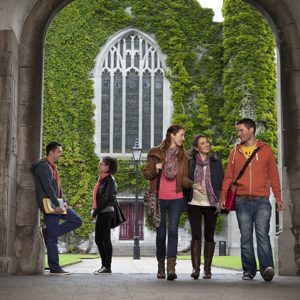
Choosing a course is one of the most important decisions you'll ever make! View our courses and see what our students and lecturers have to say about the courses you are interested in at the links below.
-
University Life
University Life
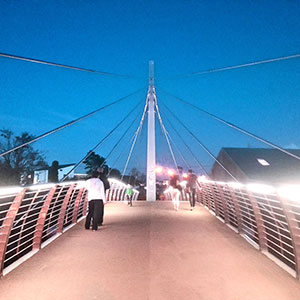
Each year more than 4,000 choose University of Galway as their University of choice. Find out what life at University of Galway is all about here.
-
About University of Galway
About University of Galway
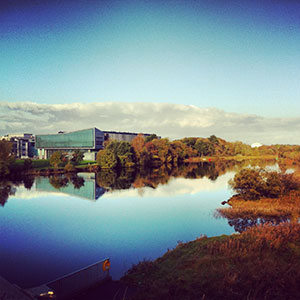
Since 1845, University of Galway has been sharing the highest quality teaching and research with Ireland and the world. Find out what makes our University so special – from our distinguished history to the latest news and campus developments.
-
Colleges & Schools
Colleges & Schools
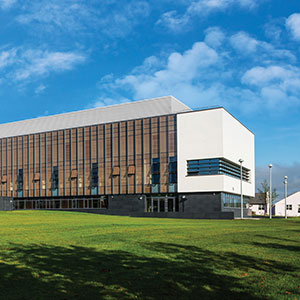
University of Galway has earned international recognition as a research-led university with a commitment to top quality teaching across a range of key areas of expertise.
-
Research & Innovation
Research & Innovation
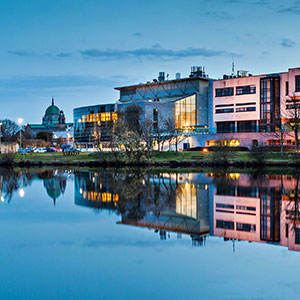
University of Galway’s vibrant research community take on some of the most pressing challenges of our times.
-
Business & Industry
Guiding Breakthrough Research at University of Galway
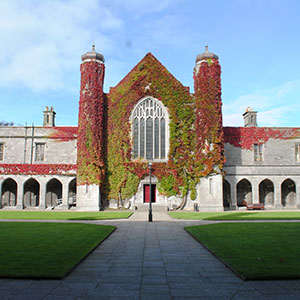
We explore and facilitate commercial opportunities for the research community at University of Galway, as well as facilitating industry partnership.
-
Alumni & Friends
Alumni & Friends
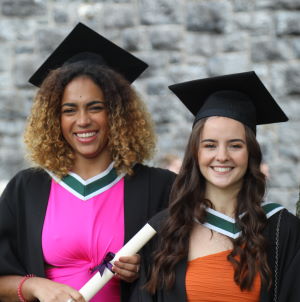
There are 128,000 University of Galway alumni worldwide. Stay connected to your alumni community! Join our social networks and update your details online.
-
Community Engagement
Community Engagement
At University of Galway, we believe that the best learning takes place when you apply what you learn in a real world context. That's why many of our courses include work placements or community projects.
 Accessibility & Language
September
Wednesday, 30 September 2026
The Royal Town Planning Institute (RTPI) has awarded Accredited Planning School status to University of Galway’s School of Geography, Archaeology and Irish Studies. The award also includes accreditation of the University's MA in Planning and Development, which means students on the programme will earn an RTPI-accredited qualification, supporting graduates seeking to build professional careers in planning in Ireland, the UK and internationally. The one-year, full-time, MA in Planning and Development combines practical planning skills with critical planning theory and regulatory knowledge. Rachel Fisher, Chief Executive of the RTPI, said: “Planning has a critical role to play in tackling some of the biggest challenges facing communities, from housing and infrastructure to climate change and economic growth. Ensuring that the profession has a strong pipeline of highly skilled planners is therefore essential, and this accreditation is an important addition to planning education in Ireland.” John Sturzaker, Director of Careers and Education at the RTPI, said: “RTPI accreditation recognises planning programmes that meet the high academic and professional standards needed to prepare students for a career in planning. “The University of Galway’s MA in Planning and Development combines the theoretical, practical and regulatory understanding that future planners need. We look forward to working with the University and supporting its students as they develop their careers in the profession.” President of University of Galway, Professor David Burn, said: “University of Galway is very cognisant of its vital role in promoting and facilitating planning development for the region and more broadly. This professional accreditation award from the RTPI reflects an endorsement of the quality and success of the University’s contributions in this regard, and of its ongoing commitment to planning education.” Professor Rebecca Braun, Dean of the College of Arts, Social Sciences and Celtic Studies at University of Galway, said: “University of Galway welcomes this partnership with the Royal Town Planning Institute. We look forward to the opportunities it presents to deliver professionally-accredited graduates to the growing range of industry sectors seeking planning professionals here and abroad, and to address this identified critical skills gap in the region and nationally.” Read more about the MA in Planning and Development course here. Ends
Tuesday, 29 September 2026
International gathering will explore how marine research, innovation and skills can strengthen Europe’s competitiveness, sustainability and security Galway will become a meeting place for Europe’s ocean research, innovation and policy community next week, as Atlantic Summit Galway 2026 takes place on 8–9 October. Jointly organised by the Marine Institute, University of Galway, and Atlantic Technological University (ATU), the Atlantic Summit is an Associated Event of Ireland’s Presidency of the Council of the European Union 2026, supported by the Department of Further and Higher Education, Research, Innovation and Science. Taking place under the theme “Advancing Europe’s Ocean Research, Innovation and Skills Agenda during Ireland’s EU Presidency”, the Atlantic Summit comes at a critical moment for Europe’s ocean ambitions. As the EU seeks to strengthen sustainability, security, innovation and competitiveness, the ocean is increasingly recognised as a strategic frontier, with marine research and knowledge providing the foundations for future opportunity. The EU Ocean Pact, adopted in 2025, sets out an ambitious vision to restore ocean health, strengthen maritime security, support coastal communities and unlock sustainable economic opportunities at sea. Delivering on that vision will require a strong, well-resourced and connected marine knowledge system. Atlantic Summit Galway 2026 takes place at University of Galway, bringing together leading ocean strategists, researchers, policymakers, innovators and representatives of Atlantic communities to explore how research, data, technology, education and collaboration can help turn that ambition into action. Ireland’s opportunity to shape the ocean knowledge economy Ireland brings a strong foundation to these discussions. Through long-term investment in marine research, ocean observation, seabed mapping, research infrastructure, and international partnerships, Ireland has developed capabilities that support environmental protection, maritime safety, climate action, sustainable economic activity and innovation. The Ocean Knowledge 2030 strategy, Ireland’s national strategy for marine research, knowledge and innovation for 2025–2030, provides a framework for advancing these capabilities and strengthening Ireland’s contribution to European and international ocean priorities. As the future ocean economy becomes increasingly knowledge-based and data-driven, these capabilities will be central to supporting sectors such as offshore renewable energy, aquaculture, shipping, fisheries and marine biotechnology. They also provide the evidence needed to make informed decisions about the sustainable use and protection of marine resources. For Galway, the event provides an opportunity to highlight the region’s distinctive position at the intersection of marine science, higher education, technology, enterprise and Atlantic communities, while connecting local expertise with European and international partners. Dr Niall McDonough, Director Marine Institute, said: “For Ireland, the development of an integrated and sustained ocean knowledge system presents a significant opportunity. From ocean observation and seabed mapping to research vessels, marine data and scientific expertise, these are strategic national capabilities that support sustainability, security and economic opportunity. Ireland has built a strong foundation through long-term investment and international collaboration. Atlantic Summit Galway 2026 is an opportunity to connect those strengths with Europe’s ambitions and explore how knowledge can be translated into practical action.” Professor Frances Fahy, Director of the Ryan Institute at University of Galway, said: “The Atlantic is one of University of Galway’s most valuable research partners. It shapes where we are, many of the questions we ask and the research we undertake – from ocean and climate science to renewable energy, biodiversity and the future of our coastal communities. Atlantic Summit Galway 2026 gives us an important opportunity to look outward from Galway and bring together researchers, policymakers, industry and communities to consider how our shared Atlantic knowledge can help shape Europe’s future.” Dr Deirdre Brophy, Marine & Freshwater Research Centre, Strategic Lead at Atlantic Technological University, said: “A successful ocean future will depend on the ability to connect research and innovation with the skills, enterprise and communities that can turn ideas into impact. ATU is delighted to be part of the Atlantic Summit that brings these dimensions together. For Atlantic regions, collaboration is a powerful asset, and Galway provides an exceptional setting to explore how we can develop the talent and practical solutions needed for a resilient and knowledge-based blue economy.” The programme will feature keynote addresses, high-level policy dialogues, plenary discussions and networking opportunities, examining issues including: · The role of ocean knowledge in Europe’s competitiveness and strategic resilience. · Ocean observation, marine data and research infrastructure. · Ocean research and innovation in support of sustainability and security. · Healthy and productive oceans and resilient coastal communities. · Future skills and capacity for the blue economy. · The role of Atlantic and European research partnerships in advancing shared priorities. The Atlantic Summit will provide a platform for discussion on how governments, researchers, industry, educators and coastal communities can work together to align environmental, economic and security objectives, share knowledge across sea basins and strengthen Europe’s ocean research and innovation agenda. Ends
Monday, 28 September 2026
Researchers from University of Galway have designed a visitor levy scheme for Ireland that could generate millions of euro in tax revenue for central government and local authorities. The policy brief ‘Designing a Visitor Accommodation Levy (VAL) for Ireland’ shows that with a well-designed scheme, revenues in excess of €200 million a year could accrue to the local government sector. In EU countries and in parts of the UK, “visitor levies” or “tourist taxes” charged by local councils on overnight paid accommodation are common. Ireland does not impose these levies. Both the 2024 Dublin City Taskforce and the 2026 Local Democracy Taskforce have recommended a levy on overnight stays. The research shows that a visitor levy would meet two objectives set out in the Programme for Government 2025 - Securing Ireland’s Future, namely, to broaden the tax base and to strengthen local democracy. The key design features of a Visitor Accommodation Levy (VAL) are the tax base, liability, coverage, exemptions, tax rate, administration, collection and use of funds. Actual revenues will depend on the base/coverage, the tax rate, exemptions and caps, and could raise an estimated €220 million per annum for the local authorities, according to the findings of the research. The research was undertaken by Dr Gerard Turley and Stephen McNena from the J.E. Cairnes School of Business & Economics at University of Galway, who also manage the www.localauthorityfinances.com website. The study used data from Fáilte Ireland's National Quality Assurance Framework registers, which contains 225,098 bedspaces as of January 2026. This figure excludes unregistered B&Bs, short term lets and on-campus student accommodation. Dr Gerard Turley, Lecturer in Economics at University of Galway, said: “Based on a fixed tax rate per person per night, we estimate that each €1 of a Visitor Accommodation Levy would generate €44 million per annum for the local authorities. A €5 tax rate per person per night would generate almost €220 million for the local government sector. Taking three examples from the 31 local authorities, this translates into €5.7 million for Waterford City and County Councils, €8.2 million for Galway County Council, and €46 million for Dublin City Council. “For hotels only, our estimates show that a €1 tax rate per person per night would generate the same revenue, circa €33 million, as a 1% room tax rate per night based on 2025/26 data for the number of hotel rooms, occupancy rates and the Average Daily Rate (ADR).” Stephen McNena, Lecturer in Economics at University of Galway, said: “Our research shows that revenues will depend on the categories of accommodation providers covered in the legislation, as well as the tax rates levied and any exemptions or caps. The choice of tax rate is a percentage rate or a fixed rate, to be applied per person or per room. As both approaches have advantages, we recommend that local authorities have the discretion to choose percentage rate or fixed rate at a level that is appropriate to the local circumstances, the strength of the local tourist sector and the uniqueness of the destination.” The authors advise that pre- and post-legislative consultation with key stakeholders is essential, including accommodation providers, tourism industry, residents, visitors, business organisations and public representatives. Additional policy recommendations include: Further research is required, including a price sensitivity analysis and an impact assessment study. Learning from other visitor levy/tourist tax experiences internationally and recent UK developments. The naming of the levy/tax and the ringfencing of revenues are crucial, to ensure transparency and secure acceptance. The importance of tax administration, including collection, compliance and enforcement. Local discretion is strongly recommended, in terms of an opt-in to a national visitor levy scheme, local rate-setting powers, and determining exemptions and caps. The full policy brief can be read here. Ends
Wednesday, 23 September 2026
A new exhibition marking 20 years since the death of John McGahern has opened at University of Galway. The exhibition explores the rich literary legacy of one of Ireland’s most celebrated writers through the manuscripts and materials that are collected within the McGahern archive at the University Library. John McGahern: Writer and Archive traces the themes, writing process, and publication of McGahern’s novels, short stories, plays, essays, and memoir. The McGahern archive includes more than 80 boxes of materials including early handwritten drafts, an unpublished novel, notebooks, letters and photographs which reflect and document his life in writing. Professor Frank Shovlin from the University of Liverpool officially opened the exhibition following a public interview with critic and University of Galway academic, Professor Adrian Frazier. In October 2026, Faber & Faber will publish Shovlin’s authorised biography of the writer, John McGahern: A Writing Life, which draws extensively from the McGahern archive. A graduate of University of Galway, Shovlin is the editor of the critically-acclaimed The Letters of John McGahern (Faber & Faber, 2023). Monica Crump, University of Galway Librarian, said: "The John McGahern Archive is one of the University's most significant literary collections, preserving the creative legacy of a writer whose work continues to resonate with readers around the world. This exhibition offers a rare opportunity to encounter the manuscripts, notebooks, letters and photographs that illuminate McGahern's extraordinary craft, while highlighting the vital role of archives in preserving Ireland's cultural memory for future generations. We are delighted to share these remarkable collections with the public as we mark twenty years since his passing." This new exhibition allows visitors to take a seat alongside the writer at work and follow his words as they take shape upon the page. It includes previously unseen literary drafts, letters and photographs that offer a unique perspective and insight into the mind and writing of John McGahern. Dr Barry Houlihan, Curator of the exhibition and Archivist at University of Galway, said: “The McGahern Archive is a remarkable collection of literary papers and manuscripts. From familiar school copybooks that contain the first handwritten drafts of his great novels and stories, McGahern was a schoolteacher who through his writings taught us all.” Breandán Mac Suibhne, Professor of Modern Irish History, University of Galway, said: “Frank Shovlin is one of Ireland’s foremost literary scholars. A graduate of the University of Galway, Shovlin's long-anticipated biography of John McGahern, to be published by Faber & Faber in October 2026, is sure to be widely read and much discussed. The University is delighted that John McGahern’s biographer was available to open this remarkable exhibition curated by Barry Houlihan and sit for a public interview with Adrian Frazier.” From McGahern’s first published novel, The Barracks (1963), his banned novel, The Dark (1965), to his later masterpieces of Amongst Women (1990) and That They May Face The Rising Sun (2003), McGahern is positioned as one of Ireland’s great masters of the novel form. McGahern’s short stories, from early publication in The New Yorker magazine in the 1960s to his later volumes including Nightlines (1970) and High Ground (1985) show his great skill in creating vivid scenes and intimate lives within the confines of the story. The exhibition is open to the public until January 15th 2027 in the foyer of the Hardiman Building at University of Galway. Ends
Tuesday, 22 September 2026
New three-year initiative will bring 30 PhD researchers from India’s leading institutes to Rinn Medica Devices’ laboratories Rinn Medical Devices, part of the Rinn Network funded through Research Ireland, has formally launched the Mehta-Rinn Ireland-India Scholars Programme at University of Galway. The three-year programme will bring postgraduate researchers from India's premier institutes to Rinn Medical Devices' laboratories across Ireland for immersive, supervised research placements. Each year, 10 scholars will be selected, with a total of 30 scholars to be hosted over the lifetime of the programme. Scholars will work alongside Rinn Medical Devices principal investigators across core research themes, including research in cardiovascular devices, neurology, and smart and responsive biomaterials. This will also give the scholars access to state-of-the-art biomaterials fabrication, device characterisation and clinical translation facilities. The programme is designed to deliver lasting benefits for scholars, their home institutions and Rinn Medical Devices alike. It builds life-long ties by exposing early-career researchers to European research culture and regulatory frameworks, forging formal research relationships between Irish and Indian faculty, and developing a pipeline of talent for future postdoctoral and industry engagement in Ireland and across Europe. The initiative was announced at a special event with the Mehta Foundation at the University of Galway campus. It forms a central part of Rinn Medical Devices' international research strategy, which identifies India as one of its priority partner regions. Given the complementary strengths of Indian engineering institutions in medical devices and supporting technology this will grow the depth and reach of Rinn Medical Devices. Alongside the scholar’s programme, Rinn Medical Devices will pursue joint research projects and co-authored publications with Indian partner institutions and will coordinate with Research Ireland and Enterprise Ireland to support the broader Ireland–India research relationship. The launch event was attended by Professor David Burn President of University of Galway, Professor Abhay Pandit, Director of Rinn Medical Devices, and Rahul Mehta of the Mehta Family Foundation. Professor David Burn, President of the University of Galway said, “The University of Galway is proud to host this landmark partnership. Welcoming outstanding PhD researchers from India’s leading institutes strengthens our international standing and our shared ambition to advance medical device research that improves lives. I want to thank the Mehta Family Foundation for their generosity and vision.“ Noting the key support of the Mehta Family Foundation and its founder Rahul Mehta, Professor Pandit remarked: “With this new organization structure and the support of Research Ireland, we see the future increasing the impact of Ireland’s research. That future must extend to new partners. India, which has both the talent and the needs, can join us in creating the future medtech the world needs. This programme reflects this strategic commitment to building enduring international research partnerships at Rinn Medical Devices. Hosting scholars from India’s finest technical institutes will bring fresh ideas into our laboratories, while giving our own researchers and students a genuine window into one of the world’s fastest-growing research ecosystems. We are deeply grateful to the Mehta Family Foundation for making this possible.” The Mehta Family Foundation is dedicated to advancing India’s higher education through long-term partnerships between world class India institutions and other international leading universities and research center. In addition, the Mehta Family Foundation has inculcated these ideas by establishing new fields of study in leading Indian public institutions. This includes schools and centers in across six IITs- Madras, Kanpur, Guwahati, Roorkee, Palakkad, and Indore. Each one brings a new base of knowledge including biotechnology, artificial intelligence, sustainability, and health sciences. As Rahul Mehta noted at the event: “Ireland's medical device industry has become one of the most advanced in the world, and this programme gives Indian scholars a front-row seat to it. We have always believed talent flourishes when it is given the right environment and the right mentors. This programme is our way of building that bridge between India and Ireland for the scholars of tomorrow. This partnership would not be possible without the leadership of Professor Abhay Pandit. His vision and efforts to expand the reach of Rinn Medical devices was key in making this program a reality.” H.E. Mr Manish Gupta, Ambassador of India to Ireland, said: “India and Ireland share a long history of academic and cultural exchange, and this programme complements the relationship. By embedding our IT scholars within a research centre of this calibre, we are unlocking new pathways for collaboration in advancing science and technology between our two countries." The first scholars on the Mehta-Rinn Ireland-India Scholars Programme are due to commence research in University of Galway in 2027. Applications will be open to students currently enrolled in biomedical programmes at recognised Indian higher education institutions, as well as outstanding candidates from life sciences or physical sciences backgrounds with clear relevance to medical device research. Further details on the application and selection process will be announced in the coming months. Ends
Monday, 21 September 2026
Tabharfaidh na Laethanta Oscailte deis do mhic léinn ionchasacha breathnú ar chúrsaí, ar an gcampas agus ar shaol na mac léinn Cuirfidh Ollscoil na Gaillimhe fáilte roimh na mílte mac léinn, tuismitheoirí agus caomhnóirí agus múinteoirí gairmthreorach chuig na Laethanta Oscailte Fochéime áit a bhfaighidh siad eolas faoi dheiseanna staidéir agus faoi shaol an mhic léinn i gcathair na Gaillimhe. Beidh na Laethanta Oscailte ar siúl Dé hAoine, an 2 Deireadh Fómhair agus Dé Sathairn, an 3 Deireadh Fómhair idir 9am agus 3pm. Beidh deis ag cuairteoirí turas a dhéanamh den champas, foghlaim faoi chúrsaí agus an tacaíocht atá ar fáil, agus labhairt le mic léinn reatha agus leis an bhfoireann. Foghlaimeoidh cuairteoirí faoi bhreis is 60 clár fochéime agus glacfaidh siad páirt i gclár cainteanna ábhair, gníomhaíochtaí praiticiúla, turais champais, taispeántais agus seisiúin eolais. Idir Leigheas, Cógaisíocht, Altranas, Innealtóireacht, Gnó, Dlí, Eolaíocht, na Dána agus go leor eile, beidh deis ann tuilleadh eolais a fháil faoi réimsí ábhair éagsúla agus faoin raon cúrsaí fochéime atá ar fáil. Bhí an méid seo le rá ag Sarah Geraghty, Stiúrthóir Earcaíochta Mac Léinn agus For-rochtana in Ollscoil na Gaillimhe: “Is é an aidhm atá leis an Lá Oscailte an deis a thabhairt do mhic léinn taithí a fháil ar Ollscoil na Gaillimhe iad féin. Is cinneadh mór é ollscoil a roghnú, agus níl aon bhealach níos fearr chun tuiscint a fháil ar áit ná siúl timpeall an champais, bualadh leis na mic léinn agus leis an bhfoireann, breathnú ar na háiseanna agus tuilleadh eolais a fháil faoin méid atá ar fáil. “Ba mhaith linn go mbeadh ceisteanna ag na mic léinn, go mbeidís fiosrach agus intinn oscailte acu. Beidh mic léinn ann a bhfuil a fhios acu go díreach cad ba mhaith leo a staidéar agus beidh mic léinn eile nach bhfuil cinneadh déanta acu fós. Beidh neart deiseanna ann chun na roghanna a iniúchadh agus a fháil amach cé na deiseanna atá le fáil acu as a gcuid spéiseanna. “Tá Ollscoil na Gaillimhe rangaithe i measc an 2% is fearr d’ollscoileanna ar domhan agus rangaithe sa chéad áit in Éirinn maidir lena tionchar ar Spriocanna Forbartha Inbhuanaithe na Náisiún Aontaithe. Tá i bhfad níos mó i gceist le hollscoil a roghnú ná rangú, áfach. Tugann an Lá Oscailte deis do mhic léinn bualadh le pobal na hOllscoile agus eolas a fháil faoi na deiseanna atá ar fáil dóibh laistigh agus lasmuigh den seomra ranga. "Le breis is 60 clár fochéime agus deiseanna ar nós socrúchán oibre nó staidéar thar lear ar fáil ar níos mó ná 90% dár gcúrsaí, is é an chloch is mó ar ár bpaidrín an t-eolas, an taithí agus an mhuinín a theastaíonn uathu don todhchaí a thabhairt do mhic léinn. Agus tá i bhfad níos mó i gceist le saol na hollscoile ná an méid a tharlaíonn taobh istigh den seomra ranga. Le breis is 115 cumann mac léinn agus 47 club spóirt, tá an oiread sin deiseanna ann do mhic léinn bualadh le daoine nua, spéiseanna nua a aimsiú agus a bheith mar chuid dár bpobal.” Beidh réimse gníomhaíochtaí ar siúl ar fud an champais i rith an dá lá, agus beidh deis taithí phraiticiúil a fháil, ceisteanna a chur agus tuilleadh eolais a fháil faoi chúrsaí agus faoi shaol na mac léinn. I measc na mbuaicphointí, áirítear iad seo a leanas: Altranas & Cnáimhseachas: Téigh isteach sna spásanna oiliúna cliniciúla in Áras Mhaighe Seola agus faigh blaiseadh den oiliúint atá le fáil i dtimpeallacht chúraim sláinte fíorshaoil. Dlí: Tabhair cuairt ar Sheomra Bréagchúirte na hOllscoile agus faigh tuilleadh eolais faoi staidéar a dhéanamh ar an Dlí. Leigheas: Bain triail as do scileanna cliniciúla, ó éisteacht le buillí croí go tástálacha digiteacha cluaise agus súl. Eolaíocht & Innealtóireacht: Tabhair cuairt ar áiseanna den scoth agus faigh léargas nach bhfuil oscailte don phobal ar áiseanna Fisice, Ceimice agus Innealtóireachta na hOllscoile. Drámaíocht: Tá blaiseadh den fhuinneamh cruthaitheach le fáil in Ionad Uí Dhonnchadha sna máistir-ranganna agus turais. Spórt: Buail leis an bhfoireann spóirt, faigh amach faoi dheiseanna chun dul san iomaíocht ag an leibhéal is airde agus foghlaim faoi scoláireachtaí spóirt. An Ghaeilge: Féach ar áiseanna Gaeilge na hOllscoile le turas treoraithe as Áras na Gaeilge. Saol na Mac Léinn: Buail le mic léinn reatha agus foghlaim faoi chlubanna, cumainn, spórt, tacaíocht agus gníomhaíochtaí atá ar fáil sa saol lasmuigh de na léachtaí. Lóistín: Faigh tuilleadh eolais faoi na roghanna éagsúla lóistín atá ar fáil agus faoi shaol an mhic léinn i nGaillimh. Fisic & Ceimic: Tabhair cuairt ar shaotharlanna Fisice agus Ceimice na hOllscoile agus faigh tuilleadh eolais faoin teagasc, foghlaim agus taighde sna réimsí seo. Is féidir clárú anois. Is féidir le mic léinn ionchasacha clárú don Lá Oscailte, an clár iomlán a íoslódáil agus tuilleadh eolais a fháil anseo www.universityofgalway.ie/opendays. Chun tuilleadh eolais a fháil seol ríomhphost chuig: opendays@universityofgalway.ie Críoch
Monday, 21 September 2026
The Open Days will give prospective students the opportunity to explore courses, campus and student life University of Galway will welcome thousands of prospective students, parents and guardians and guidance counsellors to its Undergraduate Open Days to find out more about study opportunities and life as a student in Galway city. The Open Days will take place on Friday, October 2nd and Saturday, October 3rd, from 9am to 3pm, with visitors able to explore the campus, find out about courses and supports, and talk to current students and staff. Over two days, visitors can learn about more than 60 undergraduate degree programmes and take part in a programme of subject talks, hands-on activities, campus tours, demonstrations and information sessions. From Medicine, Pharmacy, Nursing and Engineering to Business, Law, Science, Arts and beyond, there will be opportunities to find out more about different subject areas and the range of undergraduate courses available. Sarah Geraghty, Director of Student Recruitment and Outreach at University of Galway, said: “Open Day is all about giving students the opportunity to experience University of Galway for themselves. Choosing a university is a big decision, and there is no better way to get a sense of a place than by walking through the campus, meeting our students and staff, exploring the facilities and finding out more about what is available. “We want students to come along with questions, curiosity, and an open mind. Whether they already know exactly what they want to study or are still deciding, there will be plenty of opportunities to explore their options and discover where their interests could take them. “University of Galway is ranked in the top 2% of universities worldwide and is ranked number one in Ireland for our impact on the UN Sustainable Development Goals. There is much more to choosing a university than rankings, however. Open Day gives students the opportunity to meet the people who make up our community and find out about the opportunities available to them both inside and outside the classroom. “With more than 60 undergraduate programmes and over 90% of our courses offering opportunities such as work placements or study abroad, we are focused on giving students the knowledge, experience and confidence they need for the future. And university life is about much more than what happens in the classroom. There are more than 115 student societies and 47 sports clubs for students to get involved in, offering so many opportunities for students to meet new people, discover new interests and become part of our community. The growth we are seeing in student participation shows how important these opportunities are, with membership of our four Gaelic Games clubs, for example, doubling over the past year.” There will be a range of activities across campus throughout both days, with opportunities to get hands-on, ask questions and find out more about courses and student life. Highlights include: Nursing & Midwifery: Step inside the clinical training spaces at Áras Moyola and discover what it is like to train in a real-world healthcare environment. Law: Visit the University's Moot Courtroom and find out more about studying Law. Medicine: Try your hand at clinical skills, from listening to heartbeats to digital ear and eye examinations. Science & Engineering: Explore state-of-the-art facilities and get behind the scenes in the University's Physics, Chemistry and Engineering facilities. Drama: Experience the creative energy of the O'Donoghue Centre with masterclasses and tours. Sport: Meet the sports team, find out about opportunities to compete at elite level and learn more about sports scholarships. As Gaeilge: Explore the University's Irish-language facilities with a guided tour from Áras na Gaeilge. Student Life: Meet current students and discover clubs, societies, sports, supports and activities that make up life beyond the lecture theatre. Accommodation: Find out more about the different accommodation options available and what it is like to live as a student in Galway. Physics & Chemistry: Visit the University's Physics and Chemistry laboratories and find out more about teaching, learning and research in these areas. Registration is now open. Prospective students can register for Open Day, download the full programme and find out more at www.universityofgalway.ie/opendays. For further information, contact opendays@universityofgalway.ie. Ends
Sunday, 20 September 2026
Researchers from University of Galway are part of an international team testing the feasibility of restoring deep-sea coral habitats damaged by bottom trawling by installing 3D-printed artificial reefs. Twenty-three artificial reefs have been placed on the deep seabed off the south-west Porcupine Bank, off the west coast of Ireland and in the Bay of Biscay, France, as a contribution to the Horizon Europe project ‘REDRESS’ (Restoration of deep-sea habitats to rebuild European Seas). The current campaign is part of, a three-year mission known as the REDECOR (REstauration DEs CORaux d'eau froide), involving collaboration between researchers from University of Galway, Ifremer and the Sorbonne University in France. The expedition to deploy the artificial reefs took place on board L’Atalante, a vessel of the French Oceanographic Fleet, during August. Reefs were placed at depths between 900 and 1100m off the Porcupine Bank, and in the Guilvinec Canyon, Bay of Biscay, where other reefs installed during the 2025 expedition were also monitored. Monitoring of both Irish and French restoration sites is planned next year on board an Irish research vessel. Dr Anthony Grehan, a deep-sea ecologist at University of Galway and co-leader of the mission to the Porcupine Bank, said: “These deep-sea coral reefs provide vital habitat for a diversity of marine life, but many have been damaged over many years. Because these corals grow by only a few millimetres each year, natural recovery of lost reefs can take decades to centuries. With this project, we are testing whether we can actively accelerate that recovery by creating new starter structures for corals to grow on which also mimic reef structure to help re-establish functioning reef habitats. The early results are very encouraging, and if we can show that these approaches work, it could open up new possibilities to scale up the restoration of damaged coral reefs elsewhere in the Atlantic and beyond.” While cold-water coral reefs are regarded as being less well-known than their tropical cousins, they provide important habitats for marine life and support biodiversity in the deep-sea including fish. The corals however are quite fragile and easily damaged by deep-sea trawling. While recent fisheries and conservation regulations prohibit trawling in many areas where corals are found, the issue now is how to return damaged areas to full health. Marie-Claire Fabri, a research engineer in deep-sea benthic ecology at Ifremer and co-leader of the Bay of Biscay region expedition, said: “Preserving these areas alone is not enough; the active restoration of cold-water corals is urgently needed. The ban on bottom trawling has helped stop the direct pressure on these habitats, but to go further - given the slow growth of these corals in the Atlantic - just a few millimeters per year—we cannot simply wait for them to recover on their own.” The artificial reefs are eco-designed cylinders made from low-carbon concrete incorporating volcanic material. Each 3D-printed structure is approximately 80cm high and 100cm in diameter, weighing around 600kg. They provide structurally complex physical microhabitats including tunnels, ledges and overhangs, that offer shelter and provide surfaces for corals and other marine life to colonise. The reefs are placed individually on the seabed, rather than together to form a single connected structure covering an area of about half a hectare. Researchers will monitor the sites over the coming years through photography, video and 3D mapping to assess how the coral and other marine life develop on and around the reefs. Different approaches are being tested as part of the research. Some reefs were equipped with oyster shells, ceramic plates and tiles to encourage coral larvae to settle naturally, while others were fitted with fragments (‘nubbins’) of living coral. The living coral fragments were collected from the ocean in depths of around 950 metres. Once brought to the surface, they were kept in seawater tanks under conditions designed to replicate their natural environment. Small branches were then taken from the colonies and attached to oyster shells before being anchored on the artificial reefs. The team is focusing its research on the two principal reef-forming species of cold-water coral, Lophelia pertusa and Madrepora oculata. The aim is to see whether the coral can survive and establish new colonies or enhance the attractiveness of the artificial reefs for colonisation by coral larvae. Encouragingly, researchers found that the coral fragments, known as nubbins, which were placed on the artificial reefs during the REDECOR 2025 mission are still alive. The reefs have also been colonised by a range of marine species, including sea urchins, fish, crabs and crinoids. The research will also monitor seawater conditions, sediment and chemical contaminants. This will help improve understanding of the conditions needed for healthy coral growth and assess the potential impact of climate change and ocean acidification on restoration efforts. Both restoration sites are now protected from further damage by bottom trawling. The SW Porcupine Bank restoration site is protected under the European Common Fisheries Policy, where trawling is prohibited at depths greater than 800 metres. The Guilvinec Canyon in the Bay of Biscay is a Natura 2000 site where trawling is also prohibited. REDECOR forms part of the European REDRESS (Restoration of deep-sea habitats to rebuild European Seas) project, which is bringing together 27 partners from 15 countries to investigate the restoration of damaged deep-sea habitats across Europe. The research is funded by the European Union through the REDRESS project, the French Oceanographic Fleet, Ifremer and the Sorbonne University. REDRESS partners from the UK, Iceland and Italy have also installed the same artificial reef modules in their restoration sites in the Atlantic and the Mediterranean which will provide a pan-European perspective on the feasibility of using these reefs to actively promote restoration of areas where coral habitat has been damaged. The researchers expect that results from REDECOR and REDRESS will help inform implementation of the new European Nature Restoration Law which provides targets to restore damaged areas of sponge, coral, and coralligenous algae. Ends
Wednesday, 16 September 2026
Scientists at University of Galway have taken part in a first-in-human study on stroke patients using a thin wire fitted with sensors to assess and map the clot they have experienced. The study involved the use of a guidewire called Clotild, which has been developed by medtech company Sensome. It can navigate arteries through a catheter, with tiny electrical sensors built into its tip, moving through a clot and continuously measuring how well different tissues conduct a small current. Red blood cells, platelets and arterial walls each have distinct electrical "fingerprints" which can be individually identified in real-time by the device’s prediction model. Some 41 people who had suffered a large vessel occlusion stroke were enrolled in the trial at hospitals in Australia and France to assess the performance of the device and how it reports the clot. The trial was led by Dr Andrew Cheung of Liverpool Hospital, NSW, Australia and Aymeric Rouchaud, France, with a device developed using clot analysis by Professor Karen Doyle, University of Galway and the Research Ireland funded Rinn Medical Devices Centre. Professor Karen Doyle said: "This first-in-human study represents an important step forward in how we understand and treat stroke patients. Being able to characterise clot composition in real time, during the procedure itself, has real potential to help clinicians tailor their approach to treating each patient and improve outcomes. It's been a privilege to contribute to the research underpinning this trial, and to see fundamental device research translated into a technology now being tested directly in patients." Every year, millions of people globally suffer a stroke caused by a blood clot blocking an artery in the brain. The gold standard treatment is a procedure called mechanical thrombectomy, where a tiny device is threaded through blood vessels to physically pull the clot out. Research has shown that removing a clot in a single pass dramatically improves a patient's chances of recovery. While this method can be successful, surgeons go in almost blind, knowing very little about the clot they are about to tackle, what it is made of, or where exactly it ends. The trial is the first time a potential solution to this issue has been tested in humans. The possibility of removing a clot in one pass depends partly on clot composition: clots rich in red blood cells behave differently to those packed with platelets. Until now, the only way to find this out was to analyse retrieved clot fragments under a microscope following a procedure - too late to change the surgical strategy. The results from the trial were unambiguous: not a single patient experienced a vessel perforation or dissection, the most feared complication of guidewire use in the brain. On performance, Clotild proved remarkably accurate. Its ability to distinguish red-blood-cell-rich clots from platelet-rich ones scored 0.97 and 0.94 respectively on a standard accuracy scale where 1.0 is perfect. The device was also able to detect the artery wall and the far end of the clot, information a surgeon could use to gauge clot length without injecting contrast dye. One of the most striking demonstrations came when the team reconstructed a full compositional "map" of a clot based on Clotild's continuous readings as it passed through. The map, showing which sections were red-blood-cell-rich and which were not, matched what histology later revealed about the retrieved clot fragments. Dr Cheung said: “This trial shows that impedance-based clot characterisation is not only feasible but can be integrated safely into standard procedure. It's the result of a genuinely international effort, and I want to thank our collaborators across Australia, France, USA and Ireland, for their contribution to the device development and data analysis that made these results possible." Dr Franz Bozsak, CEO of Sensome, said: "Bringing Clotild from concept to first-in-human trial has depended on close collaboration between industry and academic research partners. The expertise contributed by our academic partners across the globe has been invaluable in helping us validate and refine the science behind this technology. This kind of partnership is exactly how we believe medical devices should be developed, grounded in rigorous academic research and tested rapidly in clinical settings." Professor Doyle added: “As a proof of concept this is compelling. The vision is a future where, before a surgeon even selects a retrieval device, they already know exactly what kind of clot they are dealing with, giving stroke patients a meaningfully better chance of getting it out first time.” The research paper associated with the trial can be accessed on the Journal of NeuroInterventional Surgery https://jnis.bmj.com/content/early/2026/04/30/jnis-2025-024772 Ends
Tuesday, 15 September 2026
An artist-designed elephant sculpture has been installed at Shannon College of Hotel Management as part of the international mental health initiative, Elephant in the Room. The ‘Elephant for Sarah’ was officially launched in the atrium of Shannon College by Brent Pope, co-founder of the Elephant in the Room initiative, a social movement using public art to spark open, honest conversations about mental health. He addressed the college students about the importance of normalising discussions around mental wellbeing and seeking support. Shannon College of Hotel Management alumna, Maeve O’Keeffe’s niece Sarah died by suicide following a struggle with her mental health. Maeve’s family has donated the ‘Elephant for Sarah’ to the college in her memory. Sarah’s sister, Anna O’Farrell, is channelling her grief into a powerful force for good, raising funds to create a small herd of Elephant in the Room sculptures in memory of her beloved sister. To date, Anna has raised over €86,000 as part of this collaboration with the movement and Shannon College is honoured to receive an elephant in Sarah’s memory. Anna O’Farrell said: "We chose Shannon College because we want every student there to know that they can come and ask for help, and to be open about how they're feeling rather than hide it. That's exactly what Sarah would have wanted for others, because she felt she couldn't do that herself." Brent Pope, Co-founder of Elephant in the Room, said: “Everyone has an ‘Elephant in the Room’, and this initiative is about starting conversations early before they develop into larger issues impacting students’ wellbeing. It’s also about encouraging kindness - we never know what someone else might be going through in their day or life. Many young people only seek mental wellbeing support at a crisis stage, so early intervention is vital. We need to normalise discussions around mental wellbeing and make it a daily priority, just like physical health. “This initiative aims to give young people better tools to navigate life’s challenges, particularly within the learning environment, while fostering a culture of inclusion and care. “We are very grateful to Anna O'Farrell for donating this elephant sculpture to the college in memory of her beloved sister Sarah, through the Elephant for Sarah initiative.” Orla Cullinane, Associate Head of Student Welfare in Shannon College of Hotel Management, said: “Shannon College of Hotel Management is delighted and very honoured to be involved in the Elephant in the Room initiative. “The elephant who will have pride of place in our college atrium will serve as a visible reminder that conversations about mental health should never be hidden or avoided. As a college community, we recognise and sadly have experience of the profound impact of suicide and loss, and we are committed to fostering an inclusive, compassionate environment where every student feels they belong, are supported, and can speak openly without fear of judgement. We hope this initiative encourages our students and staff to check in with one another, seek support when needed, and keep the conversation going.” Founded by Brent Pope and Eoin Byrne in 2021, Elephant in the Room has grown from a grassroots idea into an international initiative. Brightly painted, artist-designed baby elephant sculptures are placed in prominent locations as visible symbols of hope, permission, and care, letting people know they are in a place that supports mental wellbeing and a reminder that it’s okay to talk. Maeve O’Keeffe graduated in 1991 and her daughter Molly Wallace has just started her 4th year at Shannon College of Hotel Management. Read more about the 'Elephant for Sarah' here: www.universityofgalway.ie/shannoncollege/student-life/. For more about Elephant in the Room visit: www.elephantintheroom.ie. Ends
Monday, 14 September 2026
New research from University of Galway, Longford Women's Link and Teagasc has identified nine policy priorities to better support women-led innovation in Irish farming and rural areas. The research is presented in a series of policy briefs, developed as part of the three-year FLIARA project- Female-Led Innovation in Agriculture and Rural Areas which was funded under Horizon Europe. The research led to the development of recommendations across areas including finance, skills, digitalisation, gender inclusion, the Common Agricultural Policy (CAP), generational renewal, representation, women's empowerment and work-life balance – all of which are focused on supporting women-led innovation in Irish farming and rural areas. The policy priorities come against a backdrop of persistent gender inequalities in agriculture. According to the European Commission, women account for 31% of beneficiaries of the Common Agricultural Policy (CAP) but receive just 15% of total CAP payments, while men, who account for 63% of beneficiaries, receive 69% of funding. Farm income statistics also show female-run farms earned an average of €18,700 per worker in 2023, 42% less than male-run farms, with the income gap widening that year. Maria Walsh, Fine Gael MEP for Midlands North-West, launched the FLIARA Policy Briefs and said: "As the European Parliament's lead negotiator on generational renewal in farming, I see every day how much we need the evidence in front of us if we're serious about building a fairer future for Irish and European agriculture. These policy briefs put women's experience and innovation at the centre of that conversation, and I'm proud to launch a series that gives policymakers like me the tools to act, not just acknowledge the problem." The policy briefs are published to coincide with the United Nations International Year of the Woman Farmer, a global initiative highlighting the contribution of women to agrifood systems and the need to address the barriers they face. They will be shared with the Department of Agriculture, Food and the Marine and the Department of Rural and Community Development, as well as Local Action Groups, the Irish Farmers’ Association, the Irish Creamery Milk Suppliers’ Association and women’s farming organisations The Irish FLIARA team is led by University of Galway’s Professor Maura Farrell and includes Dr Aisling Murtagh and Louise Weir (University of Galway), Tara Farrell (Longford Women's Link) and Anne Kinsella (Teagasc). Professor Maura Farrell, School of Geography, Archaeology and Irish Studies at University of Galway and lead on the FLIARA project, said: “In this year of the International Year of the Woman Farmer, we are delighted to produce a policy brief series that reflects not only the needs of women farmers in Ireland but also what is needed by women engaged in innovation both on and off farms. This series translates the lived experience of the women who took part in FLIARA into clear, actionable recommendations, and we hope it gives policymakers the evidence they need to make Irish and European agriculture a genuinely more inclusive place to work and innovate.” The nine policy issues identified are: Access to Finance at the right level and at the right time is important to the development of women-led rural and farm innovation. Education and Skills Training opportunities should be better tailored to the needs of women-led rural and farm innovation. Women's Empowerment: Greater policy focus is needed to address barriers to equality between men and women and support women's participation in rural and farm innovation. Better Leverage of Digitalisation: Policy should better support women in agriculture and rural areas and use digitalisation to empower them. Improved Gender Inclusion in Agricultural Knowledge and Innovation Systems (AKIS): Services should better recognise women's needs and the gender-related impacts of AKIS interventions. CAP and Gender: Women should be recognised as equal partners across each element of the CAP Strategic Plan 2023-27, to incentivise and recognise their current and future roles and potential. Generational Renewal: Addressing the gender gap is part of the wider challenge of generational renewal and the future sustainability of Irish farming. Strengthening the Voice of Rural and Farm Women: Better representation of women in governance and decision-making is needed to improve gender equality. Work-Life Balance: Policy action is needed to support women balancing work, family and wider life demands. Dr Aisling Murtagh, co-researcher on the FLIARA project at University of Galway, said: "Women are already driving innovation across Irish farms and rural businesses, often without the recognition or support to let it flourish. These briefs give policymakers a concrete starting point for closing that gap." The recommendations draw on research and engagement with women farmers, rural innovators and other stakeholders throughout the FLIARA project, including case studies, policy assessment and future foresight research. Professor Farrell continued: "Combining foresight work, case studies and direct engagement with women farmers, we offer recommendations that are grounded and forward-looking, not a list of problems, but a roadmap for more inclusive agricultural policy.” The full report and nine policy briefs are available at: Ireland's FLIARA Policy Briefs Ends
Wednesday, 9 September 2026
University of Galway’s Arts in Action 2026-2027 programme returns this week with free events, workshops and partnerships with arts organisations in the west. A flagship public arts, performance and creative engagement programme of the University of Galway, Arts in Action prides itself on the strong partnerships it has built from year to year. With a new home at the University of Galway’s Institute for Creativity, the upcoming programme spans arts forms from theatre to music, film to comedy, as well as conversation, talks and hands-on workshops. The programme includes 15 free events, 3 workshops and partnerships with TULCA Festival of Visual Arts, Theatre of the Oppressed Festival, Music for Galway, MusicConnects, Culture Night and Galway City Council. Highlight events include: Opening the programme on September 11th, writer Sam Fowley and poet and University of Galway alumna Laoighseach Ní Choistealbha will deliver readings of their works related to the theme of the associated research symposium ‘Water Ways: Water in Flux in Ireland and Beyond’. On Culture Night, September 18th, ‘What about M.E.?’, supported by Galway City Council, features four short plays that give an insight into the thousands of people in Ireland who live with Myalgic Encephalomyelitis/Chronic Fatigue Syndrome (ME/CFS) and Long-Covid, written by people living with these illnesses. On November 5th, The Pale Blue Dot, a Music for Galway performance by Elevation Ensemble, will reimagine the extraordinary cultural time capsule of the Voyager Golden Records that were affixed to NASA’s Voyager spacecrafts launched in 1977 as humanity’s message to the cosmos. This unique multimedia performance includes new music by Irish composers Linda Buckley and Jonathan Nangle. In December, a MusicConnects event ‘3 Kinds of Music’ will feature Galway guitarist and composer Aengus Hackett, MusicConnects’ Ensemble in Residence, ConTempo Quartet and the In Flow Gamelan Group – an ensemble of talented adults with Intellectual Disabilities, facilitated by That’s Life and supported by Corlann Services, Galway. Throughout October and November, artist Maeve Curtis and author Mike McCormack will lead deep-listening workshops responding to MusicConnects’ season of music. In partnership with TULCA Festival of Visual Arts, internationally renowned artist, photographer, writer and cultural producer Del LaGrace Volcano will give a live artist talk and presentation on November 12th as part of TULCA 2026: Veruca Salt. In comedy, The Accidental Activist, is a quick-witted show about the Climate Crisis by Irish comedian Diane O’Connor. Róisín Stack’s No Woman is an Island will also display sharp humour and considers the relationship between productivity and identity. Talks include a lecture by Professor Helena Grehan (Edith Cowen University) on Theatre; a presentation by Uruguayan actress, educator, and social activist Sabrina Speranza; and an hour with Alfrun Rose, writer, actor, and producer of major productions including Fantastic Beasts: The Crimes of Grindelwald. Documentary film Monarca from North to South: Migrant Audiovisual Memory, gathers the memories, songs and experiences of Nicaraguan composers exiled in Costa Rica. The screening will be followed by a discussion with historian and executive producer Dr Antonio Monte Casablanca. Florian Schneider, Director of the Institute for Creativity, University of Galway, said: “Arts in Action has a formidable legacy within the University of Galway as a major cultural initiative of the College of Arts, Social Sciences and Celtic Studies. “As the programme enters a new phase of development, we are delighted that Arts in Action will now reside under the institutional banner of the Institute for Creativity, the University’s recently established interdisciplinary hub for creative innovation, research, and societal engagement. “Our plan over the coming years is to position Arts in Action as a cross-disciplinary, strategic programme for the University, strengthening links with curriculum, teaching and learning. We also want to further develop existing and new partnerships with community, cultural and creative groups and organisations, and build national and international recognition for this fantastic cultural programme.” Marianne Ní Chinnéide, Lecturer in Drama and Theatre Studies at University of Galway and Artistic Director and Head of Production and Curation for Arts in Action, said: “The University is delighted to present this year’s Arts in Action. I have curated a programme of events, lectures, talks, showcases and workshops where creative practice meets research and teaching, that embodies University of Galway’s commitment to integrated, research-led, and socially engaged artistic practice and arts education. “Looking back over Arts in Action programmes throughout the years, a rich legacy has been formed between the University and the artistic community of all art forms, throughout the Galway region and across Ireland. I would like to sincerely thank all of our strategic partners who co-fund the programme - our university colleagues and researcher community, and festival and arts organisations – making this programme accessible to all. The reach of this programme at the intersection of research disciplines and, art form development and the live art event, is a unique model nationally and I can’t wait to share it with you all.” Founded by the late Mary McPartlan, the Arts in Action programme was established to create a space where artistic excellence, cultural dialogue and public participation could flourish. The programme provides opportunities for staff, students, artists, researchers, community and arts organisations as well as audiences to encounter innovative artistic work, artistic research and engage in critical conversations about contemporary society. Arts in Action events will take place at the University’s O’Donoghue Centre for Drama, Theatre and Performance, the Bank of Ireland Theatre and the Siobhán McKenna Theatre. All events are free and open to staff, students and the wider community. Registration is required. The full programme with booking details is available here. Ends
Tuesday, 8 September 2026
Scientific study reveals unexpected links between anti-cancer drugs and antibiotic effectiveness Scientists from University of Galway have uncovered a surprising link between commonly used anti-cancer drugs and antibiotics that could offer a potential new approach to tackling notorious superbug infections. The research team set out to find new ways to treat methicillin-resistant Staphylococcus aureus – better known as MRSA infections - using drugs that are currently ineffective due to antibiotic resistance – a growing challenge in healthcare. The study investigated whether a range of anti-cancer drugs could help penicillin-type antibiotics, which are among the most widely used antibiotics, to become effective again. The study was carried out by researchers Dr Aaron Nolan, Sarah Byrne, Dr Merve Zeden and Professor James O’Gara from the School of Biological and Chemical Sciences at University of Galway. The team tested five anti-cancer drugs and revealed that four of them (5-fluorouracil; 5-fluororidine; gemcitabine; and mitomycin C) helped penicillin-type antibiotics to kill MRSA. These drugs interfere with the bacteria’s ability to make DNA, making the bacteria more vulnerable to the antibiotics. A fifth anti-cancer drug which was tested (6-thioguanine) had the opposite effect and reduced the effectiveness of the antibiotics. Although this drug also affects DNA production in MRSA, it works in a different way, which may explain the different effects. Dr Aaron Nolan, Postdoctoral Researcher and lecturer in Microbiology, explained: "We discovered several anti-cancer drugs that helped antibiotics to kill MRSA. But we also identified one anti-cancer drug that interfered with antibiotic effectiveness highlighting the importance of carefully prescribing the most appropriate antibiotic in patients undergoing chemotherapy." Sarah Byrne, PhD Researcher in Microbiology, said: “The antibiotic resistance crisis is one of the world's most urgent health challenges. These findings are particularly important for patients with cancer who may need treatment for bacterial infections while also taking chemotherapy drugs.” MRSA is a type of S. aureus bacteria that has developed resistance to commonly used antibiotics, making infections more difficult to treat. The findings also suggest that drugs already used to treat cancer could potentially be used alongside antibiotics to help them work against resistant bacteria. Assistant Professor in Microbiology Dr Merve Zeden said: "Our findings suggest that certain drugs originally developed for cancer treatment may have the potential to be repurposed alongside antibiotics. This could offer a new strategy to re-sensitise bacteria that have become resistant to existing treatments." The findings build on the team's ongoing research, which has identified the process of DNA production as a vulnerability in MRSA. By interfering with this process, some of the anti-cancer drugs tested in the study appear to make the bacteria more vulnerable to antibiotics. The discovery opens new avenues for research into combination therapies that pair antibiotics with non-antibiotic drugs. Such approaches could help extend the lifespan of existing antibiotics and provide new options for infections caused by bacteria resistant to traditional antibiotic treatments. Professor of Microbiology at University of Galway, James O'Gara, said: “We are excited by this discovery, which advances our long-term goal of finding new ways to boost the effectiveness of existing antibiotics against superbugs like MRSA. Because this approach relies on existing medications rather than developing completely new drugs, it could provide a faster route towards developing new strategies to improve patient care." The paper is published in mBio, the flagship journal of the American Society for Microbiology, is available at https://journals.asm.org/doi/10.1128/mbio.01274-26. Ends
Thursday, 3 September 2026
University of Galway will host the 51st Sir Peter Freyer Memorial Lecture and Surgical Symposium on September 4th and 5th 2026. The Symposium is recognised as Ireland’s largest Surgical Conference and is held in memory of Galway-born Surgeon Sir Peter Freyer, who performed the first successful operation to remove an enlarged prostate in 1900. It comprises research and education sessions across various surgical subspecialties, two keynote addresses and a discussion forum about emergency surgery in Ireland. The keynote addresses at this year’s event will be delivered by two internationally recognised surgeons from the UK and Ireland. Professor Shafi Ahmed will deliver the Sir Peter Freyer Memorial Lecture - Intelligent: The Evolution of AI Transforming Healthcare, on Friday, September 4th; and Professor Helen Heneghan will deliver the State of the Art Lecture - The Changing Landscape of Obesity Treatment: Personalised Approaches to Optimise Surgery and Outcomes, on Saturday, September 5th. Professor Shafi Ahmed is a surgeon, educator and healthcare innovator and known for pioneering the use of technology in medicine. He has helped shape the future of surgical training through his work in digital health, virtual reality and medical education and has delivered more than 350 keynote presentations in more than 70 countries. Professor Ahmed is a Laparoscopic Colorectal Surgeon specialising in colorectal cancer at The Royal London and St Bartholomew’s Hospitals. He is also Professor of Strategic Innovation at Bolton University, Honorary Professor of Practice at UCL Global Business School for Health and Visiting Professor at Imperial College London. Professor Helen Heneghan is a Consultant Bariatric and General Surgeon at St Vincent’s University Hospital and Professor of Surgery at University College Dublin. A graduate of the University of Galway, she completed her basic surgical training at Galway University Hospital and was awarded a PhD by the University in 2012. She is the Surgical Lead for the National Clinical Programme for Obesity and President and co-founder of the Society for Obesity and Metabolic Surgery Ireland. The 51st Sir Peter Freyer Memorial Lecture and Surgical Symposium will also host the first telesurgery training event for surgeons and surgical trainees. Professor Ahmed will unveil for the first time a new global AI platform, designed to change how surgeons learn, develop and navigate their careers. Surgeon.AI is the first global surgical training platform being launched in Ireland and represents a significant milestone for the Irish Medtech and AI Surgical Innovation sectors. The platform brings surgical education, career development and personalised learning into a single AI-powered platform designed to support surgeons from medical school and training through to consultant or attending level. The platform includes a proprietary AI-driven algorithm designed to track how an individual’s surgical knowledge and capabilities develop over time by using artificial intelligence to make high-quality, personalised surgical education more accessible to surgeons around the world. The Royal College of Surgeons in Ireland (RCSI) will provide surgical trainees and surgeons in Galway with the opportunity to remotely operate the Sentire Surgical System located at its Robotic Surgery and Research Centre in Dublin. Supported by University of Galway and Cornerstone Robotics, the workshop will demonstrate the potential of telesurgery to expand access to robotic surgery education and training across Ireland. Professor Michael Kerin, Professor of Surgery at University of Galway and President of RCSI, who is hosting the event with his colleague Professor Stewart Walsh, Chair of Surgery at University of Galway, said: “We are honoured to welcome Professor Ahmed and Professor Heneghan to the University of Galway. Professor Ahmed’s pioneering work in digital health, virtual reality and healthcare innovation will provide an important perspective on the transformative role of artificial intelligence in medicine. It is also a pleasure to welcome Professor Heneghan back to Galway. As a graduate of the University and a former trainee at Galway University Hospital, she has become a leading clinician in bariatric and metabolic surgery. Her lecture will address one of the most important challenges facing modern healthcare. “We are particularly proud to host the pioneering telesurgery training workshop, in collaboration with RCSI and Cornerstone Robotics UK, which highlights how innovation and collaboration can expand access to advanced robotic surgery education and training across Ireland. “Both lectures form the centrepiece of a large programme showcasing some of the finest surgical research this country has to offer. The Conference marks the start of the academic year and has long been a mainstay of the national academic surgical community, underpinned by the contributions of Consultants and Trainees from across every specialty in Irish surgery. We are also delighted to welcome the RCSI Council, who will hold their out-of-town meeting at University of Galway during the event.” Ends
Tuesday, 1 September 2026
Tá sé fógartha ag Ollscoil na Gaillimhe go bhfuil triúr léachtóirí nua ceaptha i Roinn na Gaeilge. Tá saineolas ar leith tugtha ag an Dr Ailbhe Nic Giolla Chomhaill, an Dr Colm Ó Cuaig agus an Dr Oisín Ó Muirthile chuig an Ollscoil sna réimsí seo a leanas: an béaloideas, an Nua-Ghaeilge Mhoch, an Léann Ceilteach agus an teangeolaíocht stairiúil. Cuirfidh na léachtóirí nua leis an teagasc agus leis an taighde i Roinn na Gaeilge agus leis an bpleanáil le haghaidh MA nua sa Ghaeilge, a thabharfaidh deis do mhic léinn ardstaidéar a dhéanamh ar theanga, ar litríocht agus ar chultúr na Gaeilge. Tá tuilleadh eolais faoin MA sa Ghaeilge atá beartaithe ar fáil anseo. Tá an Dr Ailbhe Nic Giolla Chomhaill ceaptha i Roinn na Gaeilge mar Léachtóir le Béaloideas. Bhí sí i gceannas ar Léann na Gaeilge in Ollscoil Luimnigh roimhe seo. Chuir sí PhD i gcrích in Ollscoil na Gaillimhe in 2018. Bronnadh Gradam Scoláireachta Fulbright uirthi in 2023-24 chun taighde béaloidis a dhéanamh in Ollscoil Indiana Bloomington sna Stáit Aontaithe. Is í an Dr Nic Giolla Chomhaill údar An Chaora Ghlas agus Scéalta Eile as Seanadh Farracháin (2016). I measc a cuid spéiseanna taighde tá scéalta iontais arna n-insint ag scéalaithe ban in Éirinn agus in Albain le linn an 20ú haois, béaloideas agus éiceolaíocht, imirce agus an traidisiún béil. Tá an Dr Colm Ó Cuaig ina shaineolaí ar an Nua-Ghaeilge Mhoch (1200-1650 CE). Chuir sé PhD sa Nua-Ghaeilge i gcrích in Ollscoil na Gaillimhe in 2017 sular thosaigh sé ag obair le hAcadamh Ríoga na hÉireann, áit ar oibrigh sé ar Foclóir Stairiúil na Gaeilge. Tá sé ina chomheagarthóir ar Dúchan: Blúirí ó Fhoclóir Mháirtín Uí Chadhain (2025). I measc a chuid spéiseanna taighde tá digitiú acmhainní Gaeilge agus úsáid na hintleachta saorga i múineadh agus i dtraidisiún lámhscríbhinní na hÉireann. Is saineolaí é an Dr Oisín Ó Muirthile ar na teangacha Ceilteacha agus an teangeolaíocht stairiúil. Bhronn Ollscoil Harvard PhD air as a chuid taighde ar fhorbairt theangeolaíoch na Gaimise-na Caintise (Seiltis), teanga Thaistealaithe na hÉireann. Tá sé ina chomheagarthóir ar Proceedings of the Harvard Celtic Colloquium (2022 agus 2023). Tá sé ceaptha mar Léachtóir leis an Léann Ceilteach. Beidh múineadh agus taighde ar litríocht na Sean-Ghaeilge (700-900 CE) agus na meánaoise mar chúram air. Dúirt an tOllamh Rióna Ní Fhrighil, Ceann Roinn na Gaeilge in Ollscoil na Gaillimhe: “Cuirfidh na ceapacháin nua seo le leithne ár gcuid taighde agus teagaisc i Roinn na Gaeilge. Leagann an t-earcú seo béim ar thiomantas Ollscoil na Gaillimhe do léann na Gaeilge, idir theanga, litríocht agus chultúr. Cuirimid fáilte ó chroí roimh ár gcomhghleacaithe nua agus táimid ag tnúth le bheith ag obair leo ar thionscadail teagaisc agus taighde a bheas nuálach agus spreagúil.” Cuir aithne ar an triúr léachtóirí nua agus faigh amach faoin taighde agus teagasc atá ar bun acu anseo. Críoch
Tuesday, 1 September 2026
University of Galway has announced the appointment of three new lecturers to Roinn na Gaeilge. Dr Ailbhe Nic Giolla Chomhaill, Dr Colm Ó Cuaig and Dr Oisín Ó Muirthile have joined the University, bringing their highly-regarded expertise across folklore, Early Modern Irish, Celtic Studies and historical linguistics. The new lecturers will contribute to teaching and research in Roinn na Gaeilge, including planning for a new MA sa Ghaeilge offering advanced study in Irish language, literature and culture. Further information on the MA sa Ghaeilge is available here. Dr Ailbhe Nic Giolla Chomhaill joins Roinn na Gaeilge as Lecturer in Folklore, having previously served as Head of the Discipline of Irish at University of Limerick. She completed her PhD in Modern Irish at University of Galway in 2018. She was awarded a prestigious Fulbright Irish Scholar Award in 2023-24 to conduct folklore research at Indiana University Bloomington in the US. Dr Nic Giolla Chomhaill is the author of An Chaora Ghlas agus Scéalta Eile as Seanadh Farracháin (2016). Her research interests include wonder tales narrated by female storytellers in Ireland and Scotland during the 20th century, folklore and ecology, emigration and the oral tradition. Dr Colm Ó Cuaig joins as a specialist in Early Modern Irish (1200-1650 CE). He completed his PhD in Modern Irish at University of Galway in 2017 before joining the Royal Irish Academy, where he worked on the Historical Dictionary of Irish. He is co-editor of Dúchan: Bluirí ó Fhoclóir Mháirtín Uí Chadhain (2025). His research interests include the digitisation of Irish-language resources and the use of artificial intelligence in the exploration and teaching of the Irish manuscript tradition. Dr Oisín Ó Muirthile is a specialist in Celtic languages and historical linguistics. He was awarded a PhD from Harvard University for his research on the linguistic development of Irish Traveller Gammon-Cant (Shelta). He has co-edited the Proceedings of the Harvard Celtic Colloquium (2022 and 2023). He joins as Lecturer in Celtic Studies, where he will teach and research Old Irish (700-900 CE) and medieval Irish literature. Professor Rióna Ní Fhrighil, Head of Roinn na Gaeilge at University of Galway, said: “This recruitment exercise presents exciting opportunities to expand the intellectual reach and impact of our research and teaching activities. These new appointments to Roinn na Gaeilge underline University of Galway’s commitment to top-class scholarship and teaching in Irish language, literature and culture. We welcome our new colleagues and look forward to working with them on innovative and dynamic teaching and research projects.” Watch the three new lecturers introduce themselves and discuss their research and teaching interests here. Ends
Featured Stories
Friday,
9
October
2026
Atlantic Summit Galway 2026 concludes with release of Statement to support a sustainable and prosperous ocean future
Monday,
5
October
2026
Venomous snakes evolved striking colours to stand out
Wednesday,
30
September
2026