-
Courses

Courses
Choosing a course is one of the most important decisions you'll ever make! View our courses and see what our students and lecturers have to say about the courses you are interested in at the links below.
-
University Life

University Life
Each year more than 4,000 choose University of Galway as their University of choice. Find out what life at University of Galway is all about here.
-
About University of Galway

About University of Galway
Since 1845, University of Galway has been sharing the highest quality teaching and research with Ireland and the world. Find out what makes our University so special – from our distinguished history to the latest news and campus developments.
-
Colleges & Schools
Colleges & Schools
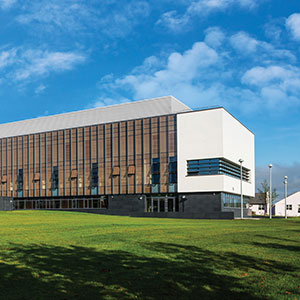
University of Galway has earned international recognition as a research-led university with a commitment to top quality teaching across a range of key areas of expertise.
-
Research & Innovation

Research & Innovation
University of Galway’s vibrant research community take on some of the most pressing challenges of our times.
-
Business & Industry
Guiding Breakthrough Research at University of Galway
We explore and facilitate commercial opportunities for the research community at University of Galway, as well as facilitating industry partnership.
-
Alumni & Friends
Alumni & Friends
There are 128,000 University of Galway alumni worldwide. Stay connected to your alumni community! Join our social networks and update your details online.
-
Community Engagement
Community Engagement
At University of Galway, we believe that the best learning takes place when you apply what you learn in a real world context. That's why many of our courses include work placements or community projects.
 Accessibility & Language
Interventional Cardiovascular Medicine (MSc)

MSc (Interventional Cardiovascular Medicine)
College of Medicine and Health, School of Medicine- Title of Award
- Master of Science
- Course Code
- 1ICM1
- Average Intake
- 25-50
- Delivery
- Online
- NFQ
- Level 9
- Award Type
- Major
- Next Intake
- 46631
- Duration
- 1 year, full-time
- ECTS Weighting
- 90
Why Choose This Course?
Course Information
Who is this course for?
The Masters in Interventional Cardiovascular Medicine will be attractive to clinical doctors with minimum of one-year postgraduate experience, who are interested in furthering their careers in interventional cardiology. In addition, the course will be highly attractive to biomedical engineers in the research and development sector of the medical device industry.
What will I study?
The coursework consists of three modules per semester (10 credits each) and a research thesis (30 credits). Our consultant cardiologists and professors have designed assignments which develop in-depth knowledge of the field.
Course modules cover coronary artery disease (CAD), CAD diagnostics and treatments, structural heart disease, vascular intervention and medical device innovation.
The course is taken online as a full-time masters degree taken over a twelve-month period (September to August). The year is divided into two teaching semesters (September to December and January to April). Students will be graded based on continuous assessment and research thesis.
Core modules:
- MD1531: Fundamentals of Coronary Artery Disease (Treatments)
- MD1532: Fundamentals of Coronary Artery Disease (Diagnostics)
- MD1535: Medical Device Innovation
- MD1537: Fundamentals of Structural Heart Disease
- MD1530: Fundamentals of Vascular Intervention
- MD1538: Research Methods for Evidence Based Practice
- MD1533: Research Thesis
Curriculum Information
Curriculum information relates to the current academic year (in most cases).Course and module offerings and details may be subject to change.
Glossary of Terms
- Credits
- You must earn a defined number of credits (aka ECTS) to complete each year of your course. You do this by taking all of its required modules as well as the correct number of optional modules to obtain that year's total number of credits.
- Module
- An examinable portion of a subject or course, for which you attend lectures and/or tutorials and carry out assignments. E.g. Algebra and Calculus could be modules within the subject Mathematics. Each module has a unique module code eg. MA140.
- Optional
- A module you may choose to study.
- Required
- A module that you must study if you choose this course (or subject).
- Semester
- Most courses have 2 semesters (aka terms) per year.
Year 1 (90 Credits)
RequiredMD1530: Fundamentals of Vascular Intervention
MD1530: Fundamentals of Vascular Intervention
Semester 2 | Credits: 10
This module will also cover four themes:- Emerging percutaneous Stroke Intervention, Current Aortic Intervention, Novel Carotid Intervention and Critical Limb Intervention.
(Language of instruction: English)
Learning Outcomes
- Diagnose assessment of aortic, carotid and peripheral vascular disease. This will be achieved by clinical examination and imaging of relevant blood vessels with CT and MRI scans.
- Understand procedural skills for endovascular treatments including acute stroke intervention and peripheral vascular disease.
Assessments
- Continuous Assessment (20%)
- Department-based Assessment (80%)
Teachers & Administrators
Click a name to search for their researcher profile. Note: Only teachers publish research profiles.
The above information outlines module MD1530: "Fundamentals of Vascular Intervention" and is valid from 2026 onwards.Note: Module offerings and details may be subject to change.
RequiredMD1531: Fundamentals of Coronary Artery Disease (Treatments)
MD1531: Fundamentals of Coronary Artery Disease (Treatments)
Semester 1 | Credits: 10
This module will focus on current treatment options for CAD. This will include medical, percutaneous and surgical treatment options. Within the interventional treatment, the module will focus on basic and complex coronary intervention. Complex coronary intervention will cover bifurcation stenting, multi-vessel stenting, left main stem stenting, treatment of calcified vessels, chronic total occlusions. The module will also cover surgical treatments of CAD.
(Language of instruction: English)
Learning Outcomes
- Understand the current treatment strategies available to treat CAD.
- Understand how a particular treatment option is selected and clinical decisions are made.
- Increase understanding of the current treatment strategies available to treat CAD.
- Understand procedural skills in treating basic and complex coronary intervention e.g. bifurcation stenting, multi-vessel stenting, chronic total occlusion (CTOs), calcified vessels and left main stenting.
Assessments
- Continuous Assessment (20%)
- Department-based Assessment (80%)
Teachers & Administrators
Click a name to search for their researcher profile. Note: Only teachers publish research profiles.
The above information outlines module MD1531: "Fundamentals of Coronary Artery Disease (Treatments) " and is valid from 2026 onwards.Note: Module offerings and details may be subject to change.
RequiredMD1532: Fundamentals of Coronary Artery Disease (Diagnostics)
MD1532: Fundamentals of Coronary Artery Disease (Diagnostics)
Semester 1 | Credits: 10
(Language of instruction: English)
Learning Outcomes
- Develop a knowledge and understanding of the aetiology, epidemiology and pathophysiology of cardiovascular diseases (CVD).
- Diagnose atherosclerosis using currently available diagnostic tools. These include both non-invasive tests (exercise stress test and echocardiography) and invasive test such as gold standard coronary angiography.
- Understand the application of additional invasive test for assessing severity of atherosclerosis such as fractional flow reserve (FFR) and optical coherence tomography (OCT) to determine functional ischemia and intra-coronary plaque imaging respectively.
- Make decisions about treatment strategy for atheroscle.
Assessments
- Continuous Assessment (20%)
- Department-based Assessment (80%)
Teachers & Administrators
Click a name to search for their researcher profile. Note: Only teachers publish research profiles.
The above information outlines module MD1532: "Fundamentals of Coronary Artery Disease (Diagnostics) " and is valid from 2026 onwards.Note: Module offerings and details may be subject to change.
RequiredMD1533: Research Thesis
MD1533: Research Thesis
15 months long | Credits: 30
(Language of instruction: English)
Learning Outcomes
- Develop understanding of evidence based clinical practice.
- Consolidate the principles and concepts of research process.
- Extend knowledge of the role of research in interventional cardiology.
- Quantitative and qualitative data management skills.
- Acquire understanding of study designs commonly used in health-related research.
Assessments
- Research (100%)
Teachers & Administrators
Click a name to search for their researcher profile. Note: Only teachers publish research profiles.
The above information outlines module MD1533: "Research Thesis" and is valid from 2026 onwards.Note: Module offerings and details may be subject to change.
RequiredMD1538: Research Methods for Evidence Based Practice
MD1538: Research Methods for Evidence Based Practice
Semester 2 | Credits: 10
This module will guide the learner through the scientific research process and the use of evidence based practice in clinical settings.
(Language of instruction: English)
Learning Outcomes
- Differentiate between different theories of research and the language of research
- Recognise the importance and principles of evidence based practice
- Demonstrate an ability to perform competent electronic database and internet searches to formulate a literature review
- Explain the role of research methods and differentiate between different types of research design
- Formulate a research question and conceptualise a research project
- Design, prepare, and submit a research proposal for ethical approval
Assessments
- Continuous Assessment (100%)
Teachers & Administrators
Click a name to search for their researcher profile. Note: Only teachers publish research profiles.
The above information outlines module MD1538: "Research Methods for Evidence Based Practice " and is valid from 2026 onwards.Note: Module offerings and details may be subject to change.
RequiredMD1535: Medical Device Innovation
MD1535: Medical Device Innovation
Semester 1 | Credits: 10
The module will be delivered in collaboration with BioInnovate Ireland. The students will understand the process and steps involved in novel medical device development.
(Language of instruction: English)
Learning Outcomes
- Understand the process of medical device development from identification of the unmet need to commercialization strategy of the new therapy.
- Understand regulatory strategy.
- Understand reimbursement strategy.
- Understand the intellectual property strategy.
- Understand clinical development strategy.
Assessments
- Continuous Assessment (20%)
- Department-based Assessment (80%)
Teachers & Administrators
Click a name to search for their researcher profile. Note: Only teachers publish research profiles.
The above information outlines module MD1535: "Medical Device Innovation" and is valid from 2026 onwards.Note: Module offerings and details may be subject to change.
RequiredMD1537: Fundamentals of Structural Heart Disease
MD1537: Fundamentals of Structural Heart Disease
Semester 2 | Credits: 10
This module will cover the following themes: clinical presentation of valvular heart disease, imaging modalities and their application for diagnosing structural heart disease, current treatment options for structural heart disease, decision making in terms of treatment options for individual patient with valvular heart disease. Percutaneous Treatment of Aortic Stenosis (TAVI), Mitral Regurgitation, Transcatheter Mitral Valve Intervention (TCMVI), Tricuspid Regurgitation and Novel Interventions.
(Language of instruction: English)
Learning Outcomes
- Increase understanding of Valvular heart disease and common valvular disorders such as aortic stenosis, mitral and tricuspid regurgitation.
- Increase understanding of pathophysiology and natural history of valvular heart diseases.
- Assess the severity of valvular heart disease and apply this knowledge for decision making for valvular intervention (surgical vs percutaneous intervention).
- Assess severity of structural heart diseases using current available imaging modalities. (Computed Tomography, 3D Echocardiography etc)
- Assess anatomical parameters for better device sizing and decision making for better procedural.
Assessments
- Continuous Assessment (20%)
- Department-based Assessment (80%)
Teachers & Administrators
Click a name to search for their researcher profile. Note: Only teachers publish research profiles.
The above information outlines module MD1537: "Fundamentals of Structural Heart Disease " and is valid from 2026 onwards.Note: Module offerings and details may be subject to change.
- Global Career Opportunities: Embark on a transformative journey, equipping yourself with essential skills for success in interventional cardiovascular medicine. Whether you're a medical professional or a biomedical engineer, our online MSc. programme opens doors to exciting global career paths.
- Holistic Understanding Anywhere, Anytime: Our comprehensive online curriculum provides specialiszed knowledge and a holistic understanding of interventional medicine. Delve into cutting-edge diagnostic and treatment methodologies, preparing for excellence in diverse clinical and industry settings, all from the comfort of your location.
- Physicians will be well prepared for specialist training programs in cardiology or interventional fellowships. The experiences acquired during the Masters programme will position you as a sought-after candidate for specialised medical training.
- Global Advancement in MedTech: Engineers, regardless of location, will acquire specialist knowledge of Cardiovascular Medicine which will prepare them for medical device development thus helping them to advance their careers in the thriving MedTech sector. This expertise will enable them to contribute meaningfully to medical device innovation and position themyou for leadership roles in healthcare technology worldwide.
- Gateway to Research Excellence Anytime, Anywhere: The Masters of Interventional Cardiology (MIC) qualification serves as a gateway to academic excellence, preparing graduates for PhD programs. Contribute to groundbreaking research and advancements in interventional cardiovascular medicine from any part of the world.
- World-Renowned Faculty and Global Industry Collaboration: Benefit from the expertise of our renowned faculty and industry collaborations. Receive cutting-edge education aligned with the latest industry trends, accessible online from any corner of the globe.
- Flexible Online Learning for Your Time Zone: Balancing work and study is seamless with our 100% online delivery. Access lectures, engage with coursework, and collaborate with peers at your convenience, tailored to your time zone. Earn a master's degree from the prestigious University of Galway, regardless of your location.
Accrediting Body
The course provides the fundamental theoretical basis of interventional cardiology. Both the University of Galway and all lecturers are fully accredited to provide this education. The Masters of Interventional Cardiovascular medicine meets international standards with regard to coursework requirements, content hours, and faculty standards.
- Prof Faisal Sharif
- Dr Wael Tawfick
- Dr Darren Mylotte
- Dr Nicola Kelly
- Prof William Wijns
- Prof. William McEvoy
- Prof Alaide Chiefo
- Dr Giulio Guagliumi
- Prof Flavio RIbichini
- Prof Osama Soliman
- Dr Angela McInerney
- Mr Paul Nolan
- Prof Aidan Flynn
- Dr Max Wagener
- Dr Naeif Almagal
- Dr Emiliano Bianchini
- Dr Mattia Lunardi
- Dr Stephen McNulty
How will I learn?
Our programme caters to worldwide applicants, offering flexibility to balance work and study. Lectures, accessible through Canvas, are pre-recorded, allowing you to watch them and complete coursework at your convenience.
Group projects and collaborative activities will enhance your teamwork and communication skills, while individual assignments and the final dissertation will help you develop independence and critical thinking.
How Will I Be Assessed?
Throughout the programme, your progress is assessed through various coursework including reports, essays, presentations, and computer assignments.
- Continuous Assessment- Regular coursework, including essays and presentations contribute to your final assessment.
- Research Thesis- Consolidate the principles and concepts of the research process in the context of research in interventional cardiovascular medicine.
Course queries:
chukwunwike.aduba@universityofgalway.ie
Programme Director(s):
Prof. Faisal Sharif
Professor in Translational Cardiovascular Medicine and Innovation
Consultant Interventional Cardiologist,
Non-Executive Director of Bioinnovate, University of Galway
Head of Discipline of Medtech and AI, School of Medicine, University of Galway
CMH, School of Medicine, University of Galway
E: faisal.sharif@universityofgalway.ie
University of Galway recognises that knowledge and skills can be acquired from a range of learning experiences. This is in line with the National Framework of Qualifications (NFQ) goals which aim to recognise all learning achievements by supporting the development of alternative pathways to qualifications (or awards) and by facilitating the recognition of prior learning (RPL).
Accreditations & Awards
Meet our Employers
Entry Requirements and Fees
Minimum Entry Requirements
Successful applicants will possess at least a Second Class Honours, Grade 1 degree (or equivalent) in a health care discipline, engineering or a science related area.
For those who do not hold a primary degree at the required level, a special case will be made if they have demonstrated an aptitude for the course material through at least three years of high-quality work experience in a relevant field of cardiovascular health.
English Language Entry Requirements
For applicants whose first language is not English, an English language proficiency of IELTS score of 6.5 is required (with no less than 6.5 in Writing and no less than 6.0 in any other band) or equivalent.
More information on English language test equivalency are available here.
Supporting Documents
You will be required to provide supporting documentation as part of your application. You can check here what supporting documents are required for this course.
You can apply online to the University of Galway application portal here.
Please review the entry requirements set out in the section above.
You will be required to upload supporting documentation to your application electronically. See the section above on entry requirements for further information on the supporting documentation required for this course.
Closing Dates
For this programme, there is no specific closing date for receipt of applications. Applications will be accepted on a rolling basis and course quotes will be reviewed continuously throughout the application cycle.
Notes
- You will need an active email account to use the website and you'll be guided through the system, step by step, until you complete the online form.
- Browse the FAQ's section for further guidance.
Fees for Academic Year 2027/28
| Course Type | Year | EU Tuition | Student Contribution | Non-EU Tuition | Levy | Total Fee | Total EU Fee | Total Non-EU Fee |
|---|---|---|---|---|---|---|---|---|
| Masters Full Time | 1 | €11500 | €0 | €23100 | €150 | €150 | €11650 | €23250 |
Postgraduate students in receipt of a SUSI grant – please note an F4 grant is where SUSI will pay €4,500 towards your tuition (2026/27). You will be liable for the remainder of the total fee. A P1 grant is where SUSI will pay tuition up to a maximum of €6,270. SUSI will not cover the student levy.
Note to non-EU students: learn about the 24-month Stayback Visa here.
Postgraduate Excellence Scholarships
This scholarship is valued at €1,500 for EU students applying for full-time taught master's postgraduate courses. You will be eligible if:
- You have been accepted to a full-time taught master's course at University of Galway,
- You have attained a first class honours (or equivalent) in a Level 8 primary degree.
An application for the scholarship scheme is required (separate to the application for a place on the programme). The application portal for 2026 is now open and available here. Applications will close on the 30th September 2026. Full details available here.
Global Scholarships
University of Galway offers a range of merit-based scholarships to students from a number of countries outside of the EU. Visit here for schemes currently available.
Application Process
Students applying for full time postgraduate programmes from outside of the European Union (EU), You can apply online to the University of Galway application portal here.
Our application portal opens on the 1st October each year for entry the following September.
Further Information
Please visit the postgraduate admissions webpage for further information on closing dates, documentation requirements, application fees and the application process.
Why University of Galway?
World renowned research led university nestled in the vibrant heart of Galway city on Ireland's scenic West Coast.
Contact the School of Medicine
Clinical Science Institute, Costello Road, Shantalla, Galway, H91 V4AY


Downloads

Meet Our Alumni
Course Introduction
Discover innovation in advanced cardiovascular care
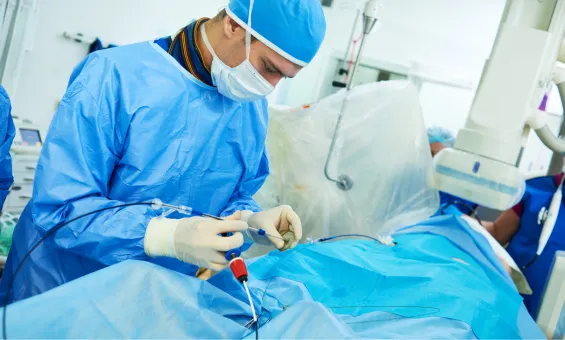
The MSc in Interventional Cardiovascular Medicine is an attractive course for both clinical and non-clinical professionals in the medical, biomedical engineering and medical device development industry. Medical doctors and clinical professionals with minimum of one-year postgraduate experience, who are interested in furthering their careers in interventional cardiology are welcome to apply.