-
Courses
Courses
Choosing a course is one of the most important decisions you'll ever make! View our courses and see what our students and lecturers have to say about the courses you are interested in at the links below.
-
University Life
University Life
Each year more than 4,000 choose University of Galway as their University of choice. Find out what life at University of Galway is all about here.
-
About University of Galway
About University of Galway
Since 1845, University of Galway has been sharing the highest quality teaching and research with Ireland and the world. Find out what makes our University so special – from our distinguished history to the latest news and campus developments.
-
Colleges & Schools
Colleges & Schools
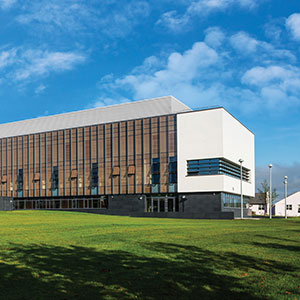
University of Galway has earned international recognition as a research-led university with a commitment to top quality teaching across a range of key areas of expertise.
-
Research & Innovation

Research & Innovation
University of Galway’s vibrant research community take on some of the most pressing challenges of our times.
-
Business & Industry
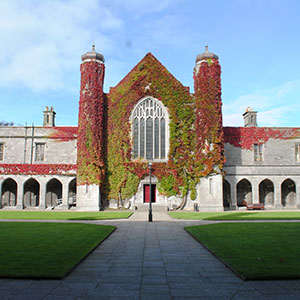
Guiding Breakthrough Research at University of Galway
We explore and facilitate commercial opportunities for the research community at University of Galway, as well as facilitating industry partnership.
-
Alumni & Friends

Alumni & Friends
There are 128,000 University of Galway alumni worldwide. Stay connected to your alumni community! Join our social networks and update your details online.
-
Community Engagement
Community Engagement
At University of Galway, we believe that the best learning takes place when you apply what you learn in a real world context. That's why many of our courses include work placements or community projects.
 Accessibility & Language
Mass Spectrometry
Overview
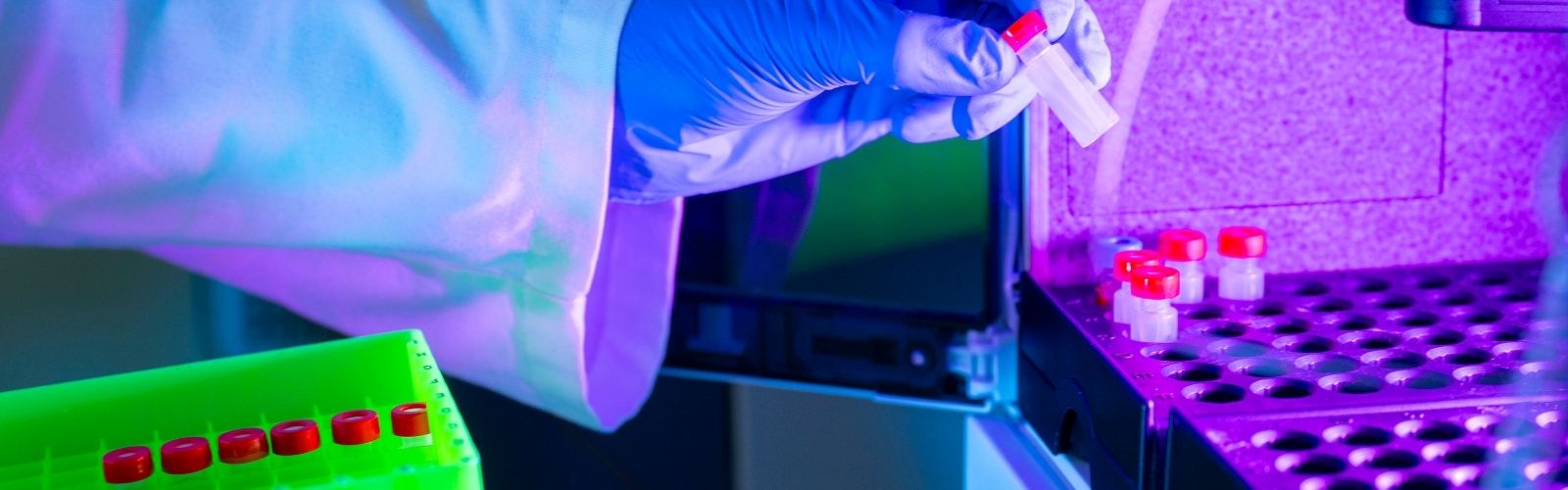
Targeted mass spectrometry is a gold standard technique for precise compound quantification and is widely used in industry and clinical laboratories. This powerful technology enables efficient translation from research discoveries to commercial applications. The Mass spectrometry Core Facility supports diverse projects across biology, chemistry and environmental science. The MS Core Facility supports the analysis of diverse sample types, ranging from biological fluids, tissues, and cells to environmental and small-molecule chemistry samples.
The core is expanding into MS-driven proteomics, metabolomics, and lipidomics using advanced mass spectrometry workflows. These approaches analyze proteins, small-molecule metabolites, and lipids, respectively, providing systems-level insight into complex biology and disease.
Targeted Mass Spectrometry
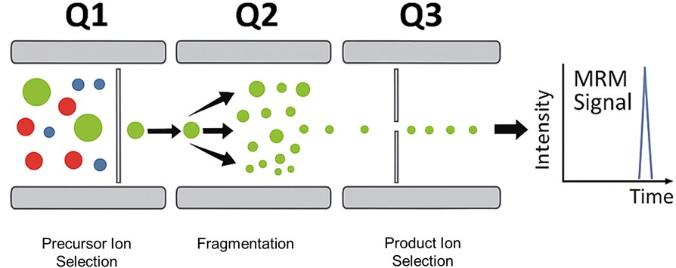
Multiple Reaction Monitoring (MRM) is a targeted mass spectrometry (MS) technique for quantifying small molecules—including lipids, metabolites and chemical compounds. MRM is carried out using triple quadrupole (QqQ) mass spectrometers, a gold standard platform for targeted quantification. In a typical MRM experiment, analytes are first separated by HPLC, then ionized and introduced into a triple quadrupole mass spectrometer, where the first quadrupole (Q1) isolates precursor ions, the second quadrupole (Q2) induces collision‐activated dissociation, and the third quadrupole (Q3) selectively transmits target fragment ions for quantitative detection.
Mass Spectrometry Core Facility Equipment
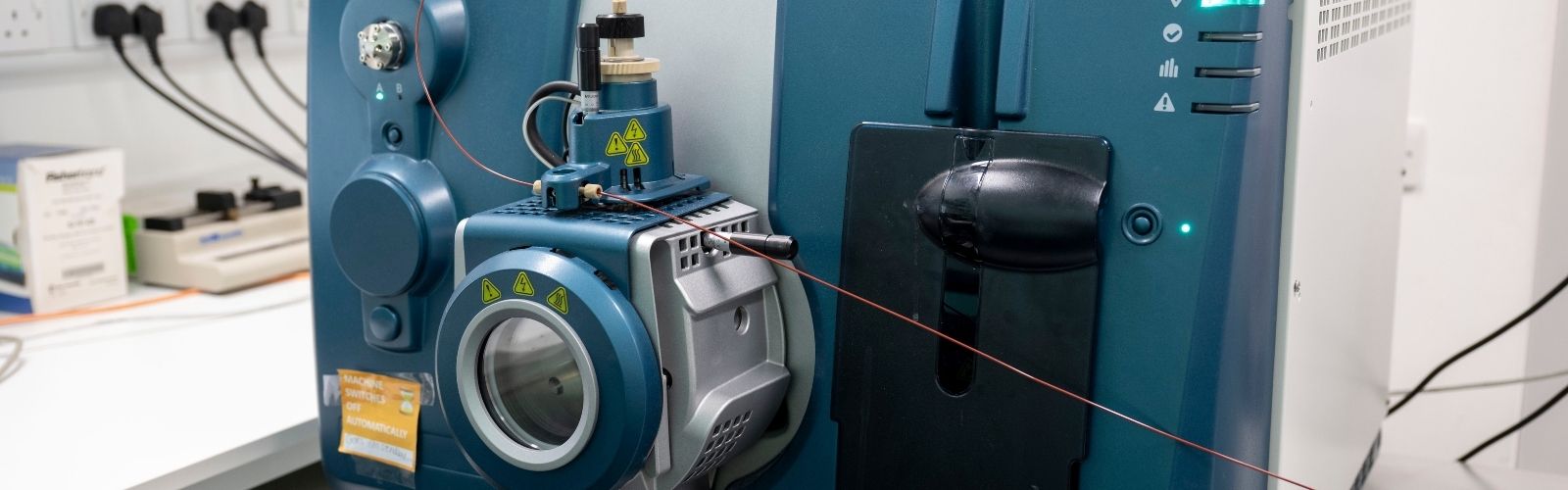
SCIEX 4500 QTRAP
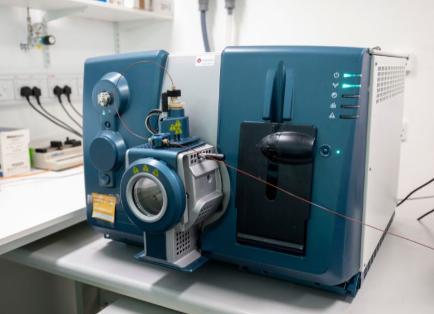
A highly sensitive and reliable hybrid triple quadrupole-linear ion trap (LC-MS/MS) for high-throughput qualitative and quantitative analysis.
Source: Electrospray ionization (positive and negative mode).
Mass range: 5-2000 m/z
Mass Analysers: Hybrid: Quadrupole-linear ion trap
Fragmentation: Collision induced fragmentation (CID)
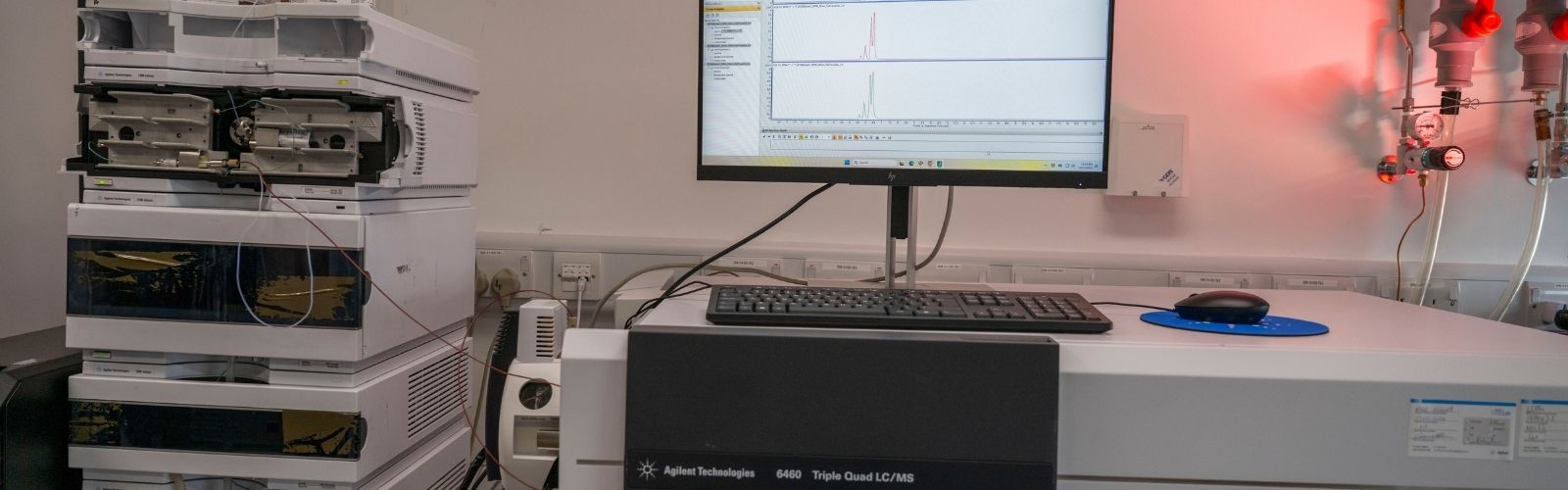
Agilent 6460
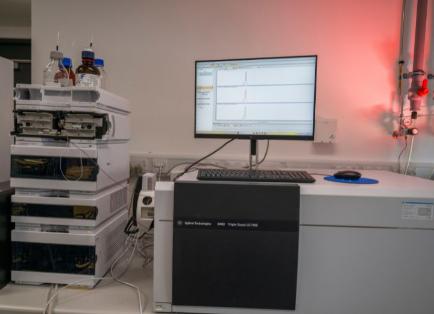
A robust and versatile triple quadrupole mass spectrometer capable of supporting multiplexed analysis of analytes with high selectivity and low background noise.
Source: Electrospray ionization (positive and negative mode).
Mass range: 5-3000 m/z
Mass Analysers: triple quadrupole
Fragmentation: Collision induced fragmentation (CID)
For more information, please contact massspec@universityofgalway.ie.