-
Courses
Courses
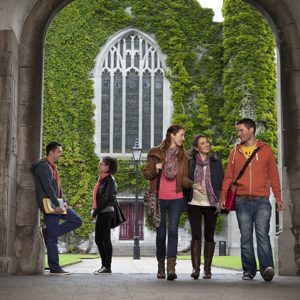
Choosing a course is one of the most important decisions you'll ever make! View our courses and see what our students and lecturers have to say about the courses you are interested in at the links below.
-
University Life
University Life
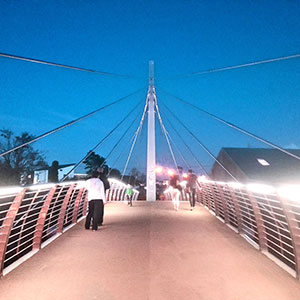
Each year more than 4,000 choose University of Galway as their University of choice. Find out what life at University of Galway is all about here.
-
About University of Galway
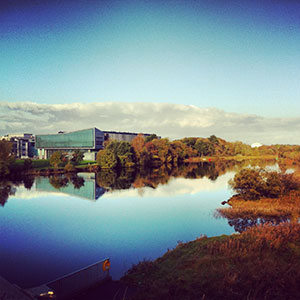
Since 1845, University of Galway has been sharing the highest quality teaching and research with Ireland and the world. Find out what makes our University so special – from our distinguished history to the latest news and campus developments.
-
Colleges & Schools
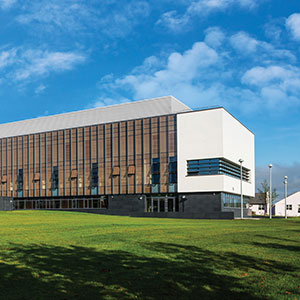
Colleges & Schools
University of Galway has earned international recognition as a research-led university with a commitment to top quality teaching across a range of key areas of expertise.
-
Research & Innovation
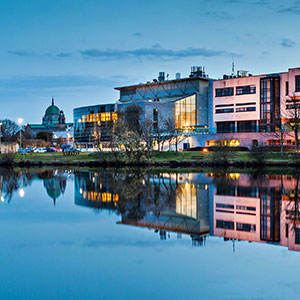
University of Galway’s vibrant research community take on some of the most pressing challenges of our times.
-
Business & Industry
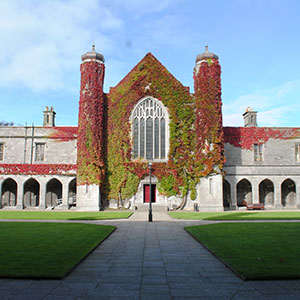
Guiding Breakthrough Research at University of Galway
We explore and facilitate commercial opportunities for the research community at University of Galway, as well as facilitating industry partnership.
-
Alumni & Friends
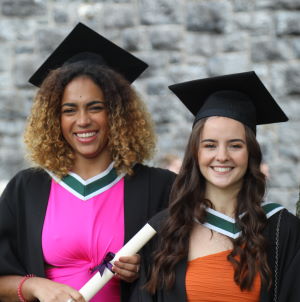
Alumni & Friends
There are 128,000 University of Galway alumni worldwide. Stay connected to your alumni community! Join our social networks and update your details online.
-
Community Engagement
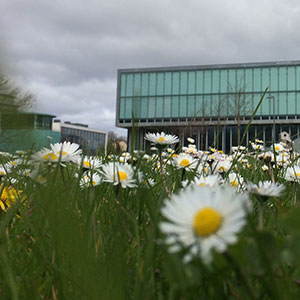
At University of Galway, we believe that the best learning takes place when you apply what you learn in a real world context. That's why many of our courses include work placements or community projects.
School of Psychology
Welcome. The School of Psychology is housed in a purpose-built facility in the centre of campus. We are dynamic, innovative and recognised for our teaching, research, and community contribution. We have a suite of professionally accredited undergraduate and postgraduate (Higher Diploma, Masters and PhD) programmes. We also have two active and successful research streams: Brain & Behaviour, and Health & Wellbeing. Researchers from both have participated in acquiring major national and international funding awards and we continue to develop a strong profile in quantity and quality of research output.
Latest University News
9 February 2026
University of Galway announce inaugural recipient of the Maev Creaven Scholarship
A new scholarship supporting women in engineering and digital health has been awarded for the first time at University of Galway.
Jescintha George Poruthur, a postgraduate student on the MSc in Medical Electronics and Digital Health, is the inaugural recipient of the Maev Creaven Scholarship.
Dorothy Creaven established the scholarship in memory of her sister, Maev Creaven, a University of Galway graduate and healthcare innovator. An Electronic Engineering graduate, Maev Creaven was widely regarded as a pioneer in her field in Ireland, combining her scientific training with a commitment to wellbeing, education and practical innovation in healthcare.
Dorothy Creaven said: “Maev believed in pushing the boundaries of innovation in healthcare and encouraging people to think beyond conventional paths. This scholarship was established in her memory to support women who are applying engineering and technology in ways that can genuinely improve lives. My family and I are proud to see her name associated with a programme that looks forward and supports the next generation of healthcare innovators.”
Professor Edward Jones, Programme Director of the MSc in Medical Electronics and Digital Health at University of Galway, said: “We’re very proud of Jescintha as the inaugural recipient of the Maev Creaven Scholarship. She is a wonderful example of the energy and commitment to innovation in medical device technology that we aim to foster in this programme, reflecting the values – innovation, compassion, and impact – that defined Maev’s work. We thank Dorothy for creating a lasting tribute to her sister’s contribution to healthcare.”
Professor Laoise McNamara, Head of the School of Engineering at University of Galway, said: “We are sincerely grateful to Dorothy Creaven for establishing this scholarship for women pursuing the MSc in Medical Electronics and Digital Health. This scholarship was created in honour of our former student Maev Creaven and reflects her strengths, passions, and commitment to these fields. This scholarship will support talented students with the potential to thrive, creating a legacy that will inspire and empower our graduates to make a meaningful difference in engineering and digital health.”
Ends
6 February 2026
Minister Calleary launches digital edition of first Irish-language newspaper An Gaodhal
Minister for Rural and Community Development and the Gaeltacht Dara Calleary T.D. has launched a digital edition of An Gaodhal, the world’s first newspaper dedicated to the Irish language community.
The project at University of Galway was borne out of an international partnership with New York University shedding new light on the global history of the Irish.
An Gaodhal was a bilingual newspaper, published monthly in Brooklyn, New York, at the end of the 19th century, between 1881 and 1898, and is considered a seminal influence on the Irish-language movement and media.
The founder, editor and publisher of An Gaodhal was Michael J. Logan, from Milltown, Co Galway. He died in 1899.
Minister Calleary T.D., said: “I am delighted to launch this project celebrating the newspaper An Gaodhal and that my Department was able to fund a significant portion of the work. Thanks to the digitisation of this newspaper and the development of innovative OCR resources, this collection will be valuable to researchers and to the general public alike. It will enable everyone to engage with the work of Mícheál Ó Locháin and to enjoy it. Projects such as this ensure that the Irish language will have a strong presence in the digital age, which is a specific objective of the Government.”
Professor Tadhg Ó hIfearnáin, Established Professor of Modern Irish at University of Galway, said: “The story of An Gaodhal reminds us of the power and position of media in public life as well as the value of the Irish language among Irish people at home and abroad. We treasure the opportunity to build on the rich legacy of Michael J. Logan toward strengthening digital humanities research and toward ensuring the digital future of the Irish language.”
The only surviving, complete series of the newspaper is preserved as part of the Special Collections at the University of Galway Library, having been bound in New York and sent to the Professor Tomás O Máille at the University in 1924 by Rev. Daniel Murphy. It contains 147 issues running to 2290 pages.
The wealth of material in the newspaper, including articles, advertisements, lists of subscribers, folklore, poetry and song along with the diversity of dialects of Irish, inspired the project team to extract the text in order to make a digitally searchable edition. The project used AI machine learning technology known as optical character recognition.
The project was completed with the support of the Robert David Lion Gardiner Foundation, Irish Institute of New York, Glucksman Ireland House, New York University, University of Galway, the Department of Rural and Community Development and the Gaeltacht, and Foras na Gaeilge.
In the 1890s, an estimated 40% of the world’s Irish speakers were living overseas, with 400,000 Irish speakers in the US and 70,000 of them in New York.
Founder and editor of An Gaodhal, Michael J. Logan, is highly-regarded for his pioneering work. The long-running Irish-American newspaper, The Irish World named him “Father of the Irish Language Movement in America” and shortly before his death, he became the first secretary of the Gaelic League in the US.
Kathryn M. Curran, Executive Director of the Robert David Lion Gardiner Foundation, said: “These early newspapers are a historic resource for every aspect of a specific community's daily life. They offer insight into social, economic, political and cultural issues of note and concern. This project will bring a richer voice to that more detailed story."
Professor Nicholas Wolf of New York University described the methodology: “An Gaodhal was printed using Cló Gaelach – the Irish script derived from the manuscript tradition. When our project began, there were no publicly available models suitable for the team to use to create a searchable, digitised edition of the newspaper. In order to bring this pioneering publication to life in the 21st century, we trained an AI model in the Irish language and then used it to develop a bilingual model. Making An Gaodhal digitally searchable has shown how technology can help deliver parity of esteem for different language communities and their shared historical sources, including those that are under-resourced or considered minority languages.”
Dr Deirdre Ní Chonghaile, Research Fellow on the project, said: “Michael Logan and his international network of supporters and subscribers hoped for a world where Irish would thrive and, through our project, their vision can now inspire a new generation of Irish speakers to continue that legacy of dreaming big.”
The project was completed with the support of University of Galway Library and the Data Science Institute.
The AI machine learning technology used – Optical Character Recognition (OCR) – is available worldwide for many languages, including Irish. The project’s bilingual model is the first of its kind to combine multilingual and multiscript functionality and is free for other researchers to use.
All digitised issues of An Gaodhal are available through the University of Galway Digital Repository at https://digital.library.universityofgalway.ie/p/ms/categories/an-gaodhal.
Ends
6 February 2026
Seolann an tAire Calleary leagan digiteach den chéad nuachtán Gaeilge An Gaodhal
Tá leagan digiteach de An Gaodhal, an chéad nuachtán Gaeilge ar domhan a foilsíodh do chainteoirí Gaeilge, seolta ag Dara Calleary, T.D., an tAire Forbartha Tuaithe agus Pobail agus Gaeltachta.
D’eascair an tionscadal in Ollscoil na Gaillimhe as comhpháirtíocht idirnáisiúnta le hOllscoil Nua-Eabhrac a fhéachann le taighde úrnua a dhéanamh ar scéal na nÉireannach sa domhan mór.
Nuachtán dátheangach ab ea An Gaodhal a foilsíodh go míosúil in Brooklyn, Nua-Eabhrac, ag deireadh an 19ú céad, idir 1881 agus 1898, agus meastar go raibh tionchar an-mhór aige ar ghluaiseacht agus ar mheáin na Gaeilge.
Is é Micheál Ó Lócháin, as Baile an Mhuillinn, Co. na Gaillimhe, a bhunaigh agus a d’fhoilsigh An Gaodhal agus a bhí ina eagarthóir air. Cailleadh in 1899 é.
Bhí an méid seo le rá ag Dara Calleary, T.D., an tAire Forbartha Tuaithe agus Pobail agus Gaeltachta: “Is cúis áthais dom seoladh an tionscadail seo ag ceiliúradh an nuachtáin An Gaodhal agus go raibh mo Roinn in ann cuid shuntasach den obair a mhaoiniú. A bhuí le digitiú an nuachtáin seo agus forbairt acmhainní nuálacha OCR, beidh an bailiúchán seo luachmhar do thaighdeoirí agus don phobal i gcoitinne araon. Beidh sé ar chumas gach duine dul i ngleic le hobair Mhíchíl Uí Lócháin agus taitneamh a bhaint as. Cinntíonn tionscadail mar seo go mbeidh láithreacht láidir ag an nGaeilge san aois dhigiteach, rud atá mar sprioc shonrach ag an Rialtas.”
Seo mar a labhair an tOllamh Tadhg Ó hIfearnáin, Ollamh Bunaithe le Nua-Ghaeilge in Ollscoil na Gaillimhe: “Meabhraíonn scéal An Gaodhal dúinn faoina chumhachtaí atá na meáin sa saol poiblí chomh maith lena luachmhaire atá an Ghaeilge do mhuintir na hÉireann sa bhaile agus thar lear. Is mór againn an deis tógáil ar oidhreacht shaibhir Mhichíl Uí Lócháin chun taighde sna daonnachtaí digiteacha a láidriú agus todhchaí dhigiteach na Gaeilge a chinntiú.”
Is i mBailiúcháin Speisialta i Leabharlann Ollscoil na Gaillimhe atá an t-aon sraith iomlán den nuachtán atá fós ar marthain ar choimeád, ó chuir an tAthair Domhnall Ó Morcadha clúdach crua orthu i Meiriceá agus sheol chuig an Ollamh Tomás Ó Máille san Ollscoil iad i 1924. Tá 147 eagrán ann arb ionann sin agus 2290 leathanach.
Tá raidhse ábhar sa nuachtán, agus áirítear ar chuid den ábhar sin ailt, fógraí, liostaí síntiúsóirí, béaloideas, filíocht agus amhráin, chomh maith le héagsúlacht chanúintí na Gaeilge. Is é an meascán saibhir ábhair sin a spreag an fhoireann tionscadail tabhairt faoin téacs a asbhaint agus leagan digiteach inchuardaithe a chur ar fáil. Baineadh úsáid as teicneolaíocht mheaisínfhoghlama AI a dtugtar aithint optúil carachtar uirthi don tionscadal.
Cuireadh an tionscadal i gcrích le tacaíocht ó Fhondúireacht Robert David Lion Gardiner, Institiúid na hÉireann, Nua-Eabhrac, Glucksman Ireland House, Ollscoil Nua-Eabhrac, Ollscoil na Gaillimhe, Foras na Gaeilge, agus an Roinn Forbartha Tuaithe agus Pobail agus Gaeltachta.
Meastar go raibh 40% de chainteoirí Gaeilge an domhain ina gcónaí thar lear sna 1890idí, agus go raibh 400,000 acu sna Stáit Aontaithe agus 70,000 acu sin i Nua-Eabhrac.
Tá an-mheas ar bhunaitheoir agus eagarthóir An Gaodhal, Micheál Ó Lócháin, as an obair cheannródaíoch a rinne sé. Bhaist an nuachtán seanbhunaithe Gael-Mheiriceánach, The Irish World, 'the Father of the Irish Language Movement in America' air agus ceapadh é ina chéad rúnaí ar Chonradh na Gaeilge sna Stáit Aontaithe go gairid sular cailleadh é.
Dúirt Kathryn M. Curran, Stiúrthóir Feidhmiúcháin Fhondúireacht Robert David Lion Gardiner: “Acmhainn stairiúil is ea na nuachtáin luatha seo trínar féidir gach gné de ghnáthshaol pobail ar leith a chíoradh. Tugann siad léargas ar na saincheisteanna sóisialta, eacnamaíocha, polaitiúla agus cultúrtha a bhí ag dó na geirbe ag an bpobal sin. Léireofar a scéal siúd ar bhonn níos saibhre agus níos mionsonraithe a bhuíochas leis an tionscadal seo.”
Chuir an tOllamh Nicholas Wolf, Ollscoil Nua-Eabhrac, síos ar an modheolaíocht: “Baineadh úsáid as an gCló Gaelach chun An Gaodhal a phriontáil, cló a d’eascair as traidisiún na lámhscríbhinní. Nuair a chuireamar tús leis an tionscadal, ní raibh fáil ar aon samhail phoiblí a d’fheilfeadh don fhoireann agus muid ag féachaint le leagan digitithe inchuardaithe den nuachtán a sholáthar. Chuireamar oiliúint ar shamhail OCR don Ghaeilge agus bhaineamar úsáid as an tsamhail sin chun samhail dátheangach a fhorbairt d’fhonn a chur ar ár gcumas an nuachtán ceannródaíoch seo a chur ar fáil do lucht léitheoireachta an 21ú haois. Léiríonn an obair seo chun leagan digiteach inchuardaithe de An Gaodhal a sholáthar an chaoi ar féidir leis an teicneolaíocht cothromas a thabhairt do phobail teanga éagsúla agus dá bhfoinsí staire, agus san áireamh leo sin tá teangacha atá gann ar acmhainní nó a mheastar iad a bheith ina mionteangacha.”
Thagair an Dr Deirdre Ní Chonghaile, Comhalta Taighde ar an tionscadal, don obair mar seo a leanas: “Tríd an tionscadal seo, spreagann an fhís a bhí ag Micheál Ó Lócháin agus ag an lucht tacaíochta idirnáisiúnta agus síntiúsóirí a bhí aige – is í sin, go mbláthódh an Ghaeilge – an glún nua de lucht labhartha na Gaeilge agus tógtar ar an oidhreacht atá fágtha acu dúinn.”
Cuireadh an tionscadal seo i gcrích le tacaíocht ó Leabharlann Ollscoil na Gaillimhe agus ón Institiúid Eolaíochta Sonraí.
Tá an teicneolaíocht mheaisínfoghlama AI a úsáideadh – Aithint Optúil Carachtar (OCR) – ar fáil do go leor teangacha, an Ghaeilge san áireamh. Tá an tsamhail dhátheangach a chruthaigh an tionscadail seo ar an gcéad cheann a cheadaíonn feidhmeanna ilteangacha agus ilscripte le chéile agus is féidir le taighdeoirí eile úsáid a bhaint as in aisce.
Tá fáil ar gach eagrán digitithe de An Gaodhal i Stór Digiteach Leabharlann Ollscoil na Gaillimhe ag https://digital.library.universityofgalway.ie/p/ms/categories/an-gaodhal.
Críoch