Unit for Inclusive AI
|
The unit leader - Dr. Bharathi Raja Chakravarthi |
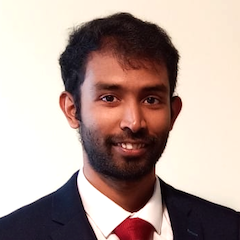 |
|---|
The Inclusive AI research unit is concerned with the development, mitigation, and ethical alignment of data-intensive AI and natural language processing (NLP) technologies through advanced computational methods and data semantics. The term inclusive AI refers to a range of frameworks, datasets, and methodologies designed to ensure digital technologies do not perpetuate societal harms. Principally, the unit's work can be split into three major categories. The first category is harm detection, which involves building novel AI techniques capable of understanding the complex, multimodal nature of online hate speech. Secondly, algorithmic mitigation frameworks focus on modeling internal data semantics to actively identify and neutralize systemic biases present in large language models. Digital inclusion, the final category, centers on creating essential linguistic semantic resources for historically overlooked and under-resourced languages to foster a more equitable online environment.
As a primary research method, this group is focused on leveraging advanced computational methods and data semantics to transform AI into a force for social good. This has led to an application-oriented research model that directly addresses core research themes within the Data Science Institute (DSI) at the University of Galway. One such focus is the exploration of unstructured information and multimodal data to extract meaningful semantic insights from complex social phenomena. Another core methodological avenue is the creation of ethically-grounded, state-of-the-art NLP solutions and annotated datasets that promote trustworthy AI. Finally, the unit establishes robust frameworks for ethical data science, ensuring that deployment strategies align with rigorous standards for safety, fairness, and transparency.
One of the major applications of the Inclusive AI unit's work is the contribution to global sustainability and equity. As such, a major part of this group's work is aligned with key Sustainable Development Goals (SDGs), specifically Gender Equality and Reduced Inequalities. Most of this work takes place through collaborative and interdisciplinary initiatives aimed at securing funding from both European and national agencies, as well as key industry partners. In this context, there is an active collaboration across sectors to apply these data-driven insights to real-world challenges, transforming potential digital exclusion into widespread digital empowerment. Furthermore, the unit is working on expanding essential linguistic semantic tools to minority languages, ensuring that the benefits of modern NLP advancements are distributed justly and inclusively for everyone.
Areas of work:
Ethical AI, Algorithmic bias mitigation, Multimodal hate speech detection, Under-resourced languages, Digital inclusion, Trustworthy NLP, Social good data science