-
Courses

Courses
Choosing a course is one of the most important decisions you'll ever make! View our courses and see what our students and lecturers have to say about the courses you are interested in at the links below.
-
University Life

University Life
Each year more than 4,000 choose University of Galway as their University of choice. Find out what life at University of Galway is all about here.
-
About University of Galway

About University of Galway
Since 1845, University of Galway has been sharing the highest quality teaching and research with Ireland and the world. Find out what makes our University so special – from our distinguished history to the latest news and campus developments.
-
Colleges & Schools

Colleges & Schools
University of Galway has earned international recognition as a research-led university with a commitment to top quality teaching across a range of key areas of expertise.
-
Research & Innovation

Research & Innovation
University of Galway’s vibrant research community take on some of the most pressing challenges of our times.
-
Business & Industry

Guiding Breakthrough Research at University of Galway
We explore and facilitate commercial opportunities for the research community at University of Galway, as well as facilitating industry partnership.
-
Alumni & Friends

Alumni & Friends
There are 128,000 University of Galway alumni worldwide. Stay connected to your alumni community! Join our social networks and update your details online.
-
Community Engagement

Community Engagement
At University of Galway, we believe that the best learning takes place when you apply what you learn in a real world context. That's why many of our courses include work placements or community projects.








 Accessibility & Language
Perioperative (MHSc/PDip)


PDip/MHSc (Perioperative)
College of Medicine, Nursing & Health Sciences, School of Nursing and Midwifery- Title of Award
- Postgraduate Diploma/Master in Health Sciences
- Course Code
- 1MDP1
- Average Intake
- 10
- Delivery
- Blended Learning
- NFQ
- Level 9
- Award Type
- Major
- Next Intake
- September 2026
- Duration
- 2 years, full-time (MSc) | 1 year, full-time (PG)
- ECTS Weighting
- 60 PG | 90 Masters
Why Choose This Course?
Course Information
Who is this for?
This programme is designed for qualified healthcare professionals, particularly nurses, who are employed in or aspiring to work in perioperative environments and who seek to enhance their clinical competence, leadership capacity, and academic development at postgraduate level.
What will I study?
During the first year of study, candidates are required to complete three core modules and three specialist modules (60 ECTS), delivered over two semesters (12 weeks per Semester). Clinical competence is formally assessed in each semester through structured competency evaluations, undertaken by an appointed preceptor in collaboration with the programme director. Outcomes of these assessments are recorded on a pass/fail basis and submitted at the conclusion of Semester 2. Candidates who successfully fulfil these requirements progress to the second year, wherein they undertake a 30 ECTS research dissertation.
Post Graduate Modules Year 1
Core modules:
- Service Improvement
- Clinical Governance
- Advanced Research Methods
Specialist Modules:
- Physiological Effects of Surgery
- Prevention of Anaesthetic Complications
- Prevention of Surgical Complications
Masters Year 2
- Research Dissertation
The programme has a clinical focus offering opportunities to develop specialist skills and explore new knowledge. Taught components of the programme are delivered in a blended learning format. Blended learning is an innovative teaching strategy which involves a combination of face-to-face and on-line learning. This means that learning/teaching will be delivered on-line through Canvas, an interactive learning system, which connects directly to the University from your own home computer making it possible to combine working full time and studying. Students are required to attend face to face workshops for a total of 12 days across the programme.
All students are required to attend a Postgraduate Induction Day prior to the commencement of the programme. This orientation serves multiple purposes: it provides an opportunity to establish academic and peer networks, to receive comprehensive information regarding programme structure, timetabling, assessment strategies, and the academic resources available to support progression. The Induction further facilitates familiarisation with the institutional virtual learning environment (Canvas), library e-resources, and academic support services, including those pertaining to academic writing.
In addition, students engage in breakout sessions with the programme director and module leaders, during which further guidance is provided on the utilisation of relevant digital tools, the roles and responsibilities of student representatives and the students’ union, and the location of key institutional policies and procedures, including those concerning leave of absence, exemptions, and recognition of prior learning (RPL).
Curriculum Information
Curriculum information relates to the current academic year (in most cases).Course and module offerings and details may be subject to change.
Glossary of Terms
- Credits
- You must earn a defined number of credits (aka ECTS) to complete each year of your course. You do this by taking all of its required modules as well as the correct number of optional modules to obtain that year's total number of credits.
- Module
- An examinable portion of a subject or course, for which you attend lectures and/or tutorials and carry out assignments. E.g. Algebra and Calculus could be modules within the subject Mathematics. Each module has a unique module code eg. MA140.
- Optional
- A module you may choose to study.
- Required
- A module that you must study if you choose this course (or subject).
- Semester
- Most courses have 2 semesters (aka terms) per year.
Year 1 (60 Credits)
RequiredNU6618: Specialist Module 2 - Prevention of anaesthetic complications
NU6618: Specialist Module 2 - Prevention of anaesthetic complications
Semester 1 | Credits: 10
This module provides a focused exploration of the prevention, early recognition, and safe management of anaesthetic‑related complications. It addresses the holistic care of patients undergoing general, regional, and local anaesthesia, including peripheral nerve blocks, and covers the comprehensive management of patients during recovery from anaesthesia.
(Language of instruction: English)
Learning Outcomes
- Critically analyse the comprehensive assessment, planned interventions, and evaluation processes involved in the care of patients undergoing general anaesthesia.
- Critically evaluate the assessment, delivery of care, and ongoing evaluation required for patients receiving regional or local anaesthesia, including those undergoing peripheral nerve blocks.
- Critically review the clinical assessment, timely interventions, and evaluative strategies essential for the safe management of patients requiring emergency anaesthesia.
- Critically appraise the assessment, intervention, and evaluation of patients during the postoperative recovery phase following anaesthesia.
- Identify early indicators and contributing factors that may precede catastrophic anaesthetic complications
Assessments
- Continuous Assessment (100%)
Teachers & Administrators
Click a name to search for their researcher profile. Note: Only teachers publish research profiles.
Reading List
- "“ASPASN’s 2024-2025 Perianesthesia Nursing Standards, Practice Recommendations and Interpretive Statements. Cherry Hill, New Jersey: American Society of PeriAnaesthesia Nursing." by American Society of PeriAnaesthesia Nurses
- "Drains Peri Anesthesia Nursing: A critical Care approach" by Jan Odom-Forren
ISBN: 978032379128.
Publisher: Elsevier - "PeriAnesthesia Nursing Core Curriculum: Preprocedure, Phase 1 and Phase 11 PACU Nursing. ." by Schick, L. and Windle, P.
Publisher: Saunders - "Nurse Anaesthesia" by Sass Elisha & Jeremy S. Heiner & John J. Nagelhout
ISBN: 978032371194.
Publisher: Saunders - "Case Studies in Nurse Anaesthesia" by Sass Elisha
ISBN: 978032368143.
Publisher: Elsevier
Note: Module offerings and details may be subject to change.
RequiredNU623: Clinical Governance: Supporting Safe Practice
NU623: Clinical Governance: Supporting Safe Practice
Semester 2 | Credits: 10
This module will examine clinical governance and its role in supporting safe practice. It is estimated that patient harm is the 14th leading cause of the global disease burden (Organization for Economic Cooperation and Development (OECD), 2017). An estimated 17% of all hospitalizations are affected by one or more adverse events, with 30-70% potentially preventable (Rafter et al., 2015;2016). In the UK an estimated 5.2% of adverse events resulted in Patient Death (Hogan et al., 2012). Recently in Ireland, the health service has placed an important emphasis on quality and patient safety by developing an infrastructure for integrated quality, safety and risk management with the aim of achieving excellence in clinical governance (HSE, 2024). The Quality and Patient Safety Directorate has built on this clinical governance infrastructure. Formalized governance arrangements ensure that everyone working in the health and personal social service are aware of their responsibilities, authority and accountability and work towards achieving improved patient outcomes. Effective governance recognizes the inter-dependence between corporate and clinical governance across services and integrates them to deliver high quality, safe and reliable healthcare (HSE, 2024). Everyone is responsible for creating a safer healthcare system (HSE, 2024). To ensure this happens it is important that programs prepare nurses and midwives to promote and enhance patient safety. The module is guided by the World Health Organization (WHO) Patient Safety Guidance (WHO, 2023), Patient Safety Act 2023 Patient Safety (Notifiable Incidents and Open Disclosure) Act 2023, National Patient Safety Strategy 2019-2024 (HSE, 2019), Patient Safety (Notifiable Incidents and Open Disclosure) Act 2023, and the HSE Code of Governance (HSE, 2024).
Teaching and Learning Activities/ Strategies
This is a blended learning module. Students completing this module will have the opportunity to attend lectures and seminars and seek answers to their questions on a blog facilitated by a named lecturer(s). The lecturer will not only answer questions on the blog but also provide opinions and share learning resources.
(Language of instruction: English)
Learning Outcomes
- Examine the concept of ‘clinical governance’ in the Irish healthcare system
- Identify and evaluate the factors that determine the quality and safety of healthcare from the perspective of (i) the nurse or midwife (ii) the client (iii) the multidisciplinary team and (iv) the wider healthcare system
- Explore their role in promoting and enhancing safety as a member of the multidisciplinary team
- Critically evaluate risk assessment processes and issues relevant to their practice setting.
- Evaluate their contribution to quality improvement in their practice setting
Assessments
- Continuous Assessment (100%)
Teachers & Administrators
Click a name to search for their researcher profile. Note: Only teachers publish research profiles.
- EIMEAR BURKE 🖂
- FRANCES FARRELLY 🖂
- SINÉAD HAHESSY 🖂
- CATHERINE MEAGHER 🖂
- MARI MORAN 🖂
- CLAIRE O'TUATHAIL 🖂
- CLAIRE QUINN 🖂
- Katherine Pigott 🖂
- Ciara O'Meara 🖂
Reading List
- "Differentiating clinical governance, clinical management and clinical practice. Clinical Governance" by Brennan NM, Flynn MA.
ISBN: 2013;18(2):11. - "Framework for Public Involvement in Clinical Effectiveness Processes" by Department of Health and Children
- "National Clinical Effectiveness Committee National Clinical Audits" by Department of Health
- "Patient Safety (Notifiable Incidents and Open Disclosure) Act 2023" by Department of Health
- "Department of Health (2025) NCEC Standards for Clinical Practice Guidance Version 2" by Department of Health
Publisher: Department of Health - "Clinical Effectiveness" by Department of Health
- "Patient Safety Surveillance & Performance" by Department of Health
- "National Clinical Guidelines." by Department of Health
- "Supporting and activating clinical governance development in Ireland: sharing our learning. Journal of health organization and management" by Flynn, M. A., Burgess, T., & Crowley, P.
Publisher: Journal of health organization and management,
Chapters: 29(4) - "The effectiveness of continuous quality improvement for developing professional practice and improving health care outcomes: a systematic review" by Hill, J. E., Stephani, A. M., Sapple, P., & Clegg, A. J.
Publisher: Implementation science : IS
Chapters: 15(1), - "A Guide to the National Standards for Safer Better Health Care. (Version 2)." by HIQA
Publisher: HIQA: Dublin - "Patient Safety (Notifiable Incidents and Open Disclosure) Act 2023" by HSE
- "Quality Improvement Toolkit." by HSE
- "Quality and patient safety - Clinical governance development, an assurance check for health service providers" by HSE
- "HSE Code of Governance" by HSE
- "Patient Safety Strategy 2019-2024" by HSE
- "Our Clinical Governance" by HSE
- "Patient Engagement in the Governance and Development of National Clinical Effectiveness Processes’, A Systematic Literature Review and Desktop Analysis" by Lambart, V.
- "Clinical decision-making processes among graduate nurses, specialist nurses and nurse practitioners A collaborative international study." by Levy-Malmberg, R., Boman, E., Lehwaldt, D., Fagerström, L., & Lockwood, E. B.
Publisher: International nursing review.
Chapters: 71(2) - "What is clinical governance?" by Macfarlane A. J. R.
Publisher: BJA education
Chapters: 19(6) - "Rethinking clinical governance: healthcare professionals' views: a Delphi study." by Veenstra, G. L., Ahaus, K., Welker, G. A., Heineman, E., van der Laan, M. J., & Muntinghe, F. L.
Publisher: BMJ open
Chapters: 7(1) - "Patient Safety." by World Health Organisation
Publisher: WHO
Note: Module offerings and details may be subject to change.
RequiredNU921: Clinical Competence 1
NU921: Clinical Competence 1
Semester 1 | Credits: 0
(Language of instruction: English)
Assessments
- Continuous Assessment (100%)
Teachers & Administrators
Click a name to search for their researcher profile. Note: Only teachers publish research profiles.
- MAURA DOWLING 🖂
- FRANCES FARRELLY 🖂
- SINÉAD HAHESSY 🖂
- ANDREW HUNTER 🖂
- BRONA MOONEY 🖂
- MARI MORAN 🖂
- MARCELLA HORRIGAN-KELLY 🖂
- CLAIRE QUINN 🖂
- ELAINE O'HARA 🖂
- Derek O'Keeffe 🖂
- Peter Carr 🖂
- Katherine Pigott 🖂
Note: Module offerings and details may be subject to change.
RequiredNU616: Specialist Module 1 - Physiological effects of surgery
NU616: Specialist Module 1 - Physiological effects of surgery
Semester 1 | Credits: 10
This module is designed to advance learners’ theoretical understanding and clinical proficiency in managing patients within the complex and dynamic perioperative environment. Emphasis is placed on developing an in‑depth appreciation of the physiological responses to surgery and anaesthesia. Learners will critically explore the impact of surgical intervention on respiratory, circulatory, cardiac, renal, and endocrine function, with particular attention to the metabolic, inflammatory, and fluid–electrolyte alterations that occur in response to surgical stress or trauma.
Learners will be required to apply this knowledge to the comprehensive assessment, prioritisation, intervention, and evaluation of perioperative patient care. Through engagement with evidence‑based resources, case studies,and reflective activities, learners will analyse how physiological changes influence clinical decision‑making, risk assessment, and patient outcomes. The module supports the development of higher‑order thinking, enabling learners to synthesise complex information, justify clinical judgements,and demonstrate professional autonomy.
(Language of instruction: English)
Learning Outcomes
- Critically analyse physiological responses to surgical trauma and evaluate their implications for perioperative assessment, intervention, and outcomes.
- Demonstrate advanced understanding of general anaesthesia and intraoperative management, with emphasis on maintaining cardiovascular stability, fluid balance, and endocrine function.
- Critically appraise the perioperative nurse’s role in assessment, prioritisation, intervention, and evaluation, including thermoregulation and prevention of positioning‑related injury.
- Evaluate the care needs of patients with complex physiological or endocrine dysfunction during the perioperative period, integrating evidence‑based strategies to support safe clinical decision‑making.
- Critically examine the psychological impact of impending surgery on adult and paediatric patients and apply advanced interventions to minimise distress and promote holistic care.
- Demonstrate advanced knowledge of perioperative safety, including legal, ethical, and procedural requirements, risk identification, and the implementation of practices that minimise harm to patients and staff.
Assessments
- Continuous Assessment (100%)
Teachers & Administrators
Click a name to search for their researcher profile. Note: Only teachers publish research profiles.
Reading List
- "AFPP in your pocket- Perioperative Practice." by n/a
Publisher: AFP - "Standards & Recommendations for Safe Perioperative Practice." by n/a
Publisher: AFPP - "American Society of PeriAnaesthesia Nursing (2017) Standards of Perianaesthesia Nursing Practice 2017-2018. Cherry Hill, New Jersey: American Society of PeriAnaesthesia Nursing." by n/a
- "American Society of PeriAnaesthesia Nurses (2019) “ASPASN’s 2019-2020 Perianesthesia Nursing Standards, Practice Recommendations and Interpretive Statements. Cherry Hill, New York." by n/a
- "AORN (2019) AORN Guidelines for Perioperative Practice. Association of Perioperative Practice Registered Nurses: Denver." by n/a
- "Drains Perianesthesia Nursing A Critical Care Approach." by Odom-Forren, J.
Publisher: Elsevier Saunders. - "Nursing the Surgical Patient." by Pudner, R.
Publisher: Elsevier. - "Essentials of Perioperative Nursing" by Marsh, B
ISBN: 1836593287.
Publisher: edtech Publishers - "Principles of Perioperative Safety and Efficiency" by Jamal J Hoballah, Haytham MA Kaafarani, Georgios Tsoulfas
ISBN: 978-03-31T04:10:00.
Publisher: Springer
Chapters: 24 - "Guidelines for Perioperative Practice" by AORN
Publisher: ebook
Note: Module offerings and details may be subject to change.
RequiredNU6439: Service Improvement
NU6439: Service Improvement
Semester 2 | Credits: 10
This module will allow the student the opportunity to plan and implement, with their manager, and an academic facilitator, a service improvement initiative. The project will focus on an issue of relevance to client care or service improvement and must be supported by the student’s line manager and/or clinical facilitator. Examples of the types of projects include: completion of a defined literature review supporting some aspect of unit work, preparation of a patient education leaflet (supported by an evidence based rationale presented separately), development of a patient education pack (supported by an evidence based rationale presented separately), development of a strategy to reduce waiting time, an initiative that will improve patient/staff safety, development/implementation of guidelines/policies, an initiative that improves the quality of patient services or the work environment, an initiative that saves time/money or any issue/problem/change that can be addressed through action. This work must be completed within a calendar year.
(Language of instruction: English)
Learning Outcomes
- Critically examine a practice issue and contribute to service improvement
- Integrate and apply learning from other modules
- Work collaboratively with peers and clients
- Become an autonomous and independent learner
- Develop the skills and knowledge needed to implement a change in clinical practice
- Develop their skills of analysis, critical thinking, problem-solving and reflection
Assessments
- Continuous Assessment (100%)
Teachers & Administrators
Click a name to search for their researcher profile. Note: Only teachers publish research profiles.
- MAURA DOWLING 🖂
- FRANCES FARRELLY 🖂
- SINÉAD HAHESSY 🖂
- CATHERINE MEAGHER 🖂
- MARI MORAN 🖂
- MARCELLA HORRIGAN-KELLY 🖂
- CLAIRE QUINN 🖂
- DEIRDRE FITZGERALD 🖂
- Duygu Sezgin 🖂
- Martina Giltenane 🖂
- Katherine Pigott 🖂
- Ciara O'Meara 🖂
Note: Module offerings and details may be subject to change.
RequiredNU6619: Specialist Module 3 - Prevention of surgical complications
NU6619: Specialist Module 3 - Prevention of surgical complications
Semester 2 | Credits: 10
This module critically examines the prevention of surgical complications,emphasising evidence‑informed, patient‑centred perioperative care. Learners will analyse the physical and psychological dimensions of care across the perioperative pathway, including infection prevention and control, wound‑healing optimisation,and the safe, effective management of instruments, equipment, and the sterile field. The module promotes critical analysis by integrating current research, national and international standards, and human‑factors principles to guide clinical decision‑making in specialist surgical contexts. Through reflective and collaborative learning, learners will evaluate complex cases, assess risks, and develop ethical, defensible, and context‑sensitive nursing interventions that enhance patient safety and quality outcomes.
(Language of instruction: English)
Learning Outcomes
- Critically engage with and evaluate the perioperative strategies implemented to minimise intraoperative infection risk.
- Critically analyse and appraise infection‑control practices within the perioperative environment, demonstrating an ability to question and interpret their effectiveness.
- Critically examine the processes of wound healing and analyse the factors that may compromise optimal recovery.
- Critically articulate and evaluate the principles underpinning the care, handling, and management of perioperative instruments and equipment
- Critically discuss and evaluate the management of the sterile field, demonstrating engagement with best practice and safety standards.
Assessments
- Continuous Assessment (100%)
Teachers & Administrators
Click a name to search for their researcher profile. Note: Only teachers publish research profiles.
Reading List
- "Essentials of Perioperative Nursing" by Goodman, T. & Spry, C.
ISBN: 978128407982. - "Guidelines for Perioperative Practice, 2024 Edition" by Anderson-Miner, M.A.
ISBN: 9780939583102. - "Drains Peri-Anaesthesia Nursing: A critical Approach" by Oden- Forren, J.
ISBN: 978032379128.
Publisher: Elsevier - "Perioperative Nursing" by Sally Sutherland-Fraser,Menna Davies,Benjamin Lockwood,Brigid Mary Gillespie
ISBN: 9780729543385.
Publisher: Elsevier - "Manual of Perioperative Care" by Woodhead, K. & Lesley, F.
ISBN: 9781118702734.
Publisher: John Wiley & Son - "ESSENTIALS OF PERIOPERATIVE NURSING (PB 2025) NURSING TEXTBOOK" by Marsh, B.
ISBN: 1836593287.
Note: Module offerings and details may be subject to change.
RequiredNU502: Advanced Research Methods
NU502: Advanced Research Methods
Semester 1 | Credits: 10
. This module is designed to enable students to explore the methodological and practical issues of research. It will help students determine the appropriate research design for research questions in their practice and provides an opportunity for students to debate, challenge and clarify research issues. This module will also help students understand the systematic review process and types of reviews, Finally, the module prepares students to develop a research protocol.
(Language of instruction: English)
Learning Outcomes
- Demonstrate an understanding of what is meant by ‘evidence-based practice’
- Discuss theoretical perspectives on research methodology
- Formulate an answerable clinical question using the PICO approach
- Develop a database search strategy
- Explain the key characteristics, strengths and weaknesses of the main qualitative and quantitative research methodologies
- Articulate a research problem and formulate a research question or hypothesis as appropriate to guide the conduct of a study
- Justify the use of appropriate data collection, sampling, and data analysis methods for qualitative and quantitative research
- Discuss rigour in the context of quantitative and qualitative research
- Discuss evidence synthesis of quantitative and qualitative research
- Create a plan with clear rationales for data collection, sampling, data analysis and rigour to be used when conducting a primary qualitative or quantitative study or evidence synthesis
Assessments
- Continuous Assessment (100%)
Teachers & Administrators
Click a name to search for their researcher profile. Note: Only teachers publish research profiles.
- MAURA DOWLING 🖂
- BERNARD MCCARTHY 🖂
- BRONA MOONEY 🖂
- MARI MORAN 🖂
- CLAIRE O'TUATHAIL 🖂
- SIOBHÁIN SMYTH 🖂
- AMANDA WALSH 🖂
- DECLAN DEVANE 🖂
- FIONNUALA JORDAN 🖂
- STEPHEN KENNETH BRADLEY 🖂
- Peter Carr 🖂
- Katherine Pigott 🖂
Note: Module offerings and details may be subject to change.
RequiredNU922: Clinical Competence 2
NU922: Clinical Competence 2
Semester 2 | Credits: 0
Assessments
- Continuous Assessment (100%)
Teachers & Administrators
Click a name to search for their researcher profile. Note: Only teachers publish research profiles.
- MAURA DOWLING 🖂
- ANDREW HUNTER 🖂
- BRONA MOONEY 🖂
- MARI MORAN 🖂
- ANNE O'GRADY 🖂
- DEIRDRE ROCHE 🖂
- MARCELLA HORRIGAN-KELLY 🖂
- ELAINE O'HARA 🖂
- Derek O'Keeffe 🖂
- Peter Carr 🖂
Note: Module offerings and details may be subject to change.
Year 2 (30 Credits)
RequiredNU6515: Research Dissertation
NU6515: Research Dissertation
Semester 1 and Semester 2 | Credits: 30
Students will be required to undertake a piece of primary research or an evidence synthesis on a topic relevant to their practice area. Students will be assigned a research supervisor who will support them in undertaking this work.
(Language of instruction: English)
Learning Outcomes
- Demonstrated knowledge of ethical requirements and procedures by negotiating access to research site/participants by securing ethical approval from the appropriate Research Ethics Committee in the case of primary research. Or in the case of evidence synthesis/secondary data analysis, demonstrate knowledge in the process of negotiating access to full text data not available in the library databases.
- Developed a research question(s) of significance to area of of significance to their specialist nursing/midwifery professional practice or a problem statement(s) based on a review of evidence-based literature.
- Identified and apply an appropriate method(s) to achieve the objectives of the research question (s)/ hypothesis for primary data collection, or in the case of secondary data analysis, employ valid and reliable method(s) for processing and analysing archived research data
- Critically discuss research findings with reference to the methods used, current literature and professional practice.
- Prepared a scholarly report (Option A) research article (Option B) ready for publication which will demonstrate accurate expression, analysis, and synthesis of the research subject.
Assessments
- Continuous Assessment (100%)
Teachers & Administrators
Click a name to search for their researcher profile. Note: Only teachers publish research profiles.
- GLORIA AVALOS 🖂
- MIRIAM BRENNAN 🖂
- EIMEAR BURKE 🖂
- DYMPNA CASEY 🖂
- MAURA DOWLING 🖂
- ANNE FALLON 🖂
- FRANCES FARRELLY 🖂
- SINÉAD HAHESSY 🖂
- ANDREW HUNTER 🖂
- BERNARD MCCARTHY 🖂
- TERESA MEANEY 🖂
- BRONA MOONEY 🖂
- MARI MORAN 🖂
- CLAIRE O'TUATHAIL 🖂
- SIOBHÁIN SMYTH 🖂
- PATRICIA HEALY 🖂
- GEORGINA GETHIN 🖂
- DECLAN DEVANE 🖂
- MARCELLA HORRIGAN-KELLY 🖂
- FIONNUALA JORDAN 🖂
- CATHERINE HOUGHTON 🖂
- STEPHEN KENNETH BRADLEY 🖂
- CLAIRE QUINN 🖂
- MARION O'REGAN 🖂
- Derek O'Keeffe 🖂
- Peter Carr 🖂
- Katherine Pigott 🖂
- Ciara O'Meara 🖂
Note: Module offerings and details may be subject to change.
- Structured Clinical Placements – students complete supervised placements in recognised healthcare institutions, enabling the integration of advanced theoretical learning with applied perioperative practice.
- Enhanced Employability – graduates acquire specialist knowledge and competencies that support career progression within perioperative nursing in both national and international contexts.
- Distinctive Curriculum Design – a carefully balanced combination of core and specialist modules ensures both comprehensive coverage and focused expertise relevant to perioperative care.
- Opportunities for Specialisation – students may pursue focused study in areas such as anaesthetics, recovery, or theatre nursing, aligned with professional interests and career goals.
- Collaboration with Industry Partners – programme content is informed by consultation with healthcare providers to reflect contemporary standards, service needs, and best practice developments.
- Development of Advanced Competencies – emphasis on complex technical skills, critical decision-making, and leadership capabilities required for advanced clinical roles.
- Research and Evidence-Based Application – students are trained to critically evaluate and apply research evidence, supporting innovation and quality improvement in perioperative services.
- Integration of Real-World Practice – clinical competency assessments are directly linked to practice performance, ensuring academic achievement corresponds with professional capability.
- Focus on Sustainability – programme design acknowledges the importance of sustainable healthcare delivery, encouraging responsible and resource-efficient practice within perioperative settings.
Graduates of the Postgraduate Diploma in Perioperative Nursing are in high demand across public healthcare providers, specialist surgical centres, day procedure units, and private healthcare providers, both in Ireland and internationally.
Where you could work:
- HSE hospitals and voluntary healthcare organisations
- Private surgical centres and clinics
- International healthcare systems in the UK, EU, Middle East, Australia, and North America
Roles you could take on:
- Senior Perioperative Staff Nurse (theatre, recovery, anaesthetics)
- Clinical Nurse Specialist – Perioperative Care
- Theatre or Recovery Room Coordinator
Career progression:
- Senior clinical leadership roles such as Clinical Nurse Manager 1,2, or 3 or Advanced Nurse Practitioner
- Nurse Educator/ Clinical Skills Facilitator
- Research or academic positions, with pathways to Master’s or PhD-level study
This programme equips you with the skills, experience, and clinical competence to excel in perioperative practice and take your career to the next level.
All students complete compulsory clinical placements as part of the programme, typically over 12-14 weeks across the first year.
- Where you’ll go: Students undertake placement in their own clinical work environment where appropriate. Students undertake their clinical practice placement in an approved clinical practice setting within Ireland normally within the students' own work setting. Where the environment does not provide sufficient learning opportunities to meet the programme learning outcomes, additional placements will be accommodated in sites which will provide the experience needed.
- How many hours? A minimum of 500 clinical hours must be completed in the specialist area while undertaking the programme (NMBI).
- What you’ll do: Gain hands-on experience in theatre, anaesthetics, recovery, and day surgery, applying theory in real-world perioperative care under expert supervision.
- Career boost: Develop advanced clinical skills, make professional connections, and enhance your employability.
- Note: Placements are usually carried out during your working week, this agreement is made by your line manager prior commencement of programme.
- Fully accredited by NMBI – meets national standards for advanced perioperative nursing.
- Graduate opportunities: Eligible to register as a specialist perioperative nurse, opening doors to theatre, recovery, anaesthetics roles and teaching roles.
- International recognition: Qualification respected in the UK, EU, Australia, Middle East, and North America.
- Career-ready: Accreditation ensures your skills are recognised, valued, and aligned with international best practice.
The programme adopts a blended learning approach, combining face-to-face teaching, online modules, seminars, and practical skills sessions to ensure students acquire both theoretical knowledge and applied clinical expertise.
Learning Methods:
- Core and Specialist Modules: Delivered through lectures, tutorials, workshops, and case-based learning to develop advanced perioperative knowledge.
- Practical Skills Training: Hands-on laboratory sessions and supervised clinical practice enable students to develop technical proficiency and decision-making skills.
- Clinical Placement: Integrated work-based learning provides real-world experience in theatre, anaesthetics, recovery, and day surgery environments.
- Research Dissertation: Independent research projects allow students to explore perioperative topics in depth, develop critical appraisal skills, and contribute to evidence-based practice.
Assessment Methods:
- Written Assignments and Essays: Assess critical thinking, theoretical understanding, and application of evidence-based practice.
- Case Studies and Presentations: Evaluate analytical, problem-solving, and communication skills.
- Multiple Choice Questions (MCQs): Used to assess knowledge recall, clinical reasoning, and understanding of core perioperative principles.
- Clinical Competency Assessments: Conducted in each semester by an appointed preceptor and programme director, graded on a pass/fail basis, reflecting real-world clinical performance.
- Research Dissertation: Assessed on research design, methodology, analysis, and synthesis of findings in line with postgraduate standards.
Overall Approach:
The programme emphasises continuous assessment and feedback, ensuring students integrate academic knowledge with clinical competence. Assessment strategies are designed to prepare graduates for advanced professional practice, leadership roles, and research-informed perioperative care.
Course queries:
E: nursing.midwifery@universityofgalway.ie
Programme Director(s):
Elaine O’Hara
E: Elaine.e.ohara@universityofgalway.ie
If you have relevant prior learning or professional experience, you may be able to gain credit towards the programme through our Recognition of Prior Learning (RPL) process.
Further information is available on the University’s Recognition of Prior Learning website.
Accreditations & Awards

.png)

The Postgraduate Diploma in Perioperative Nursing has greatly advanced my career in the operating theatre. It enhanced my practical skills and research knowledge, giving me confidence for my CNM2 interview. The programme strengthened my ability to ensure patient safety, lead effectively, communicate well, support audits, training, and service improvements. I secured the role and credit the PDip for this success. The modules, reading list, workshops, and support from Elaine made the experience invaluable.
Therese Davy
CNM 2

I would like to start by saying I am extremely grateful for being part of this programme. I work as a scrub nurse, so I had extremely limited experience in anesthetic care. I struggled with anesthetic emergencies as result of insufficient knowledge and practice until I started this programme. My ultimate motive for selecting this programme was to increase my knowledge in relation to anesthetic care, complications, and management. This programme has enhanced me theoretically and practically supporting my practice enabling me to provide safe perioperative nursing care.
Suman Jossy
Senior Staff Nurse

The extensive use of materials covered a multitude of concepts which I believe has enhanced my practice. In my role as perioperative nurse, comprehending and anticipating complications is crucial. This programme specifically reviews the complex nature of perioperative nursing offering a comprehensive understanding of the nursing management required. The modules are organized in a way that promotes distant learning through the provision of blogs and online learning. The use of video presentations, PowerPoint videos, blackboard collaborate, and the varied learning methods used were stimulating.
Rachel Mc Loughlin
Meet our Employers
.jpg)

Entry Requirements and Fees
All applicants must meet the following entry requirements:
- Be a registered nurse on the General division of the register maintained by the Nursing and Midwifery Board of Ireland (NMBI);
- Have a minimum of six months’ post-registration experience (exclusive of post-registration courses);
- Be currently working in the required specialist area, i.e., theatre (perioperative setting) and have as a minimum six months’ clinical experience in this specialist area;
- Provide written evidence of support from their Director of Nursing for the duration of the programme;
- Have an honours bachelor’s degree at NFQ Level 8 in nursing or a comparable qualification. Applicants who do not hold an honours degree or Higher Diploma (Level 8) must demonstrate that they have successfully completed (in the previous two years) a module at Level 9. Please consult the professional credit awards at Level 9 at: www.nuigalway.ie/pca/pca.html.
You can apply online to the University of Galway application portal here.
Please review the entry requirements set out in the section above.
You will be required to upload supporting documentation to your application electronically. See the section above on entry requirements for further information on the supporting documentation required for this course.
Closing Dates
30th June 2026
Notes
- You will need an active email account to use the website and you'll be guided through the system, step by step, until you complete the online form.
- Browse the FAQ's section for further guidance.
Fees for Academic Year 2026/27
| Course Type | Year | EU Tuition | Student Contribution | Non-EU Tuition | Levy | Total Fee | Total EU Fee | Total Non-EU Fee |
|---|---|---|---|---|---|---|---|---|
| Masters Full Time | 1 | €7,900 | €18,300 | €140 | €8,040 | €18,440 | ||
| PG Diploma Full Time | 1 | €7,900 | €18,300 | €140 | €8,040 | €18,440 | ||
| Masters Full Time | 2 | €3,550 | €18,000 | €70 | €3,620 | €18,070 |
For 26/27 entrants, where the course duration is greater than 1 year, there is an inflationary increase approved of 1.8% per annum for continuing years fees.
Postgraduate students in receipt of a SUSI grant – please note an F4 grant is where SUSI will pay €4,500 towards your tuition (2026/27). You will be liable for the remainder of the total fee. A P1 grant is where SUSI will pay tuition up to a maximum of €6,270. SUSI will not cover the student levy of €140.
Note to non-EU students: learn about the 24-month Stayback Visa here.
Funding
Students may be eligible for funding through HSE & Private Sector hospitals. Consult with your line Manger/ Director of Nursing.
Postgraduate Excellence Scholarships
This scholarship is valued at €1,500 for EU students applying for full-time taught master's postgraduate courses. You will be eligible if:
- You have been accepted to a full-time taught master's course at University of Galway,
- You have attained a first class honours (or equivalent) in a Level 8 primary degree.
An application for the scholarship scheme is required (separate to the application for a place on the programme). The application portal for 2026 is now open and available here. Applications will close on the 30th September 2026. Full details available here.
Global Scholarships
University of Galway offers a range of merit-based scholarships to students from a number of countries outside of the EU. Visit here for schemes currently available.
Application Process
Students applying for full time postgraduate programmes from outside of the European Union (EU), You can apply online to the University of Galway application portal here.
Our application portal opens on the 1st October each year for each the following September.
Further Information
Please visit the postgraduate admissions webpage for further information on closing dates, documentation requirements, application fees and the application process.
Why University of Galway?
World renowned research led university nestled in the vibrant heart of Galway city on Ireland's scenic West Coast.
Contact the School of Nursing, Midwifery and Evidence Science
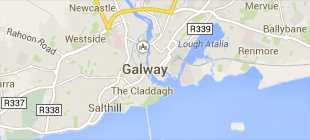
Áras Moyola, Upper Newcastle, Galway


Downloads
Meet Our Alumni
Course Introduction
Step into the forefront of surgical care with our Level 9 Postgraduate Programme in Perioperative Nursing at School of Nursing & Midwifery, University of Galway. Designed for registered nurses who want to specialise in perioperative practice, this programme blends advanced clinical knowledge with practical experience to prepare you for leadership roles in surgical and perioperative settings. You will develop expertise in patient assessment, surgical interventions, and evidence-based perioperative care. Whether you aspire to enhance your professional practice, engage in research, or take on specialist roles within the perioperative environment, this programme equips you with the skills, confidence, and qualifications to excel.
Perioperative Brochure