-
Courses
Courses
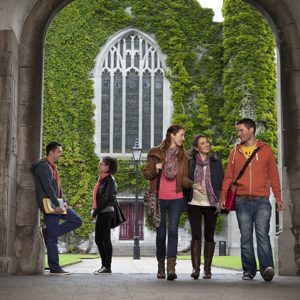
Choosing a course is one of the most important decisions you'll ever make! View our courses and see what our students and lecturers have to say about the courses you are interested in at the links below.
-
University Life
University Life
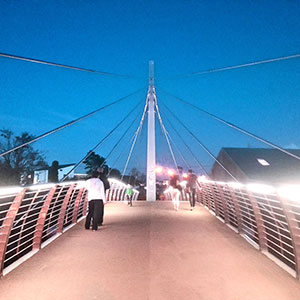
Each year more than 4,000 choose University of Galway as their University of choice. Find out what life at University of Galway is all about here.
-
About University of Galway
About University of Galway
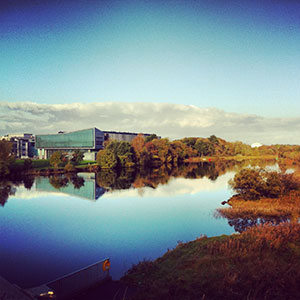
Since 1845, University of Galway has been sharing the highest quality teaching and research with Ireland and the world. Find out what makes our University so special – from our distinguished history to the latest news and campus developments.
-
Colleges & Schools
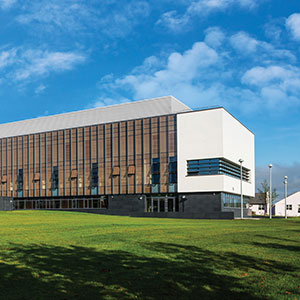
Colleges & Schools
University of Galway has earned international recognition as a research-led university with a commitment to top quality teaching across a range of key areas of expertise.
-
Research & Innovation
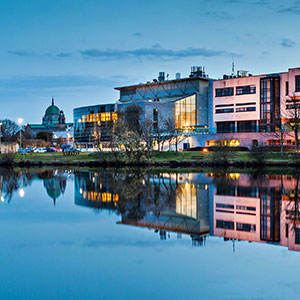
Research & Innovation
University of Galway’s vibrant research community take on some of the most pressing challenges of our times.
-
Business & Industry
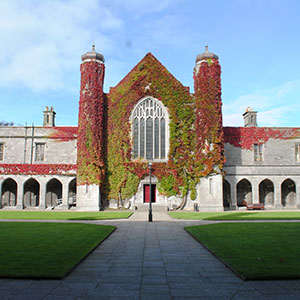
Guiding Breakthrough Research at University of Galway
We explore and facilitate commercial opportunities for the research community at University of Galway, as well as facilitating industry partnership.
-
Alumni & Friends
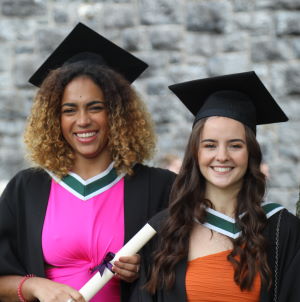
Alumni & Friends
There are 128,000 University of Galway alumni worldwide. Stay connected to your alumni community! Join our social networks and update your details online.
-
Community Engagement
Community Engagement
At University of Galway, we believe that the best learning takes place when you apply what you learn in a real world context. That's why many of our courses include work placements or community projects.








 Accessibility & Language
News & Events
Friday,
29
May
2026
New research highlights hidden exploitation and abuse of disabled people
University of Galway report examines “mate crime”, safeguarding, and access to justice A major new research report examining the experiences of disabled people subjected to targeted exploitation and abuse in Ireland has been launched at University of Galway. The report, Living Independently & Free from Targeted Abuse (LIFT): Understanding Mate Crime and the Experiences of Disabled People, presents findings from a national research project funded by Research Ireland in partnership with the Policing and Community Safety Authority. The report examines the issue commonly referred to as “mate crime”, where individuals are befriended and manipulated for the purposes of exploitation, coercion, abuse, or criminal activity. It highlights their experiences including financial exploitation, online targeting, misuse of accommodation, coercive control, sexual exploitation and barriers faced by disabled people when seeking support or reporting concerns. Participants in the research described experiences involving online scams, financial exploitation, grooming, coercion, social isolation and situations where individuals posing as friends gradually exploited trust. A recurring theme across the interviews and focus groups was that many participants did not initially recognise what was happening to them as abuse or exploitation, while others were reluctant to report experiences due to shame, fear of losing friendships or relationships, concerns about not being believed, or worries about Garda and justice system responses. Participants and stakeholders also identified the absence of a specific criminal offence or formal recognition of mate crime in Ireland as contributing to the issue remaining largely hidden. Participants described experiences of exploitation leading to financial hardship, loss of confidence, fear, emotional distress, social isolation, and significant negative impacts on independent living and participation in their community. Stakeholders and participants strongly agreed that the issue remains significantly underreported. Dr Charles O’Mahony, Associate Professor in the School of Law at University of Galway and Principal Investigator of the project, said: “This research highlights that many disabled people in Ireland are experiencing serious forms of exploitation and abuse that frequently remain hidden. What makes this particularly complex is that the abuse often develops within relationships presented as friendship, support, care, or trust. The findings demonstrate the need for better safeguarding responses, better awareness, a more accessible justice system, and greater community understanding of how mate crime can occur.” Helen Hall, Chief Executive of the Policing and Community Safety Authority, said: “The PCSA is delighted to have funded this innovative project, which illustrates the value of bringing academics, practitioners and people with lived experience together to bring real insight into community safety issues. I hope that this research contributes to improving policing services for those at risk of exploitation and abuse by people they trust, by highlighting the need for greater awareness, improved reporting, and a consistent, effective and multi-agency response to a problem that is often invisible.” Breda Golden, Head of Safeguarding, Corlann, said: “At Corlann, we see how disabled people can be placed at risk simply because they are seeking connection, support, or community. Disabled people in Ireland are being targeted, exploited, and harmed in ways that are too often dismissed or ignored. Mate crime is not a misunderstanding, it is abuse. We need increased awareness and coordinated safeguarding action so disabled people are no longer left to navigate danger alone. Corlann is proud to support this research.” The research involved key interviews with stakeholders from disability services, advocacy organisations, safeguarding teams, policing, and the justice sector, alongside a national survey and focus groups with disabled people and people supporting individuals in the community across Ireland. The report includes recommendations relating to disability awareness training, safeguarding legislation, accessible reporting mechanisms, online safety, and stronger coordination between disability organisations, advocacy groups, community services, and An Garda Síochána. The launch event included a private screening of a short film developed in collaboration with Blue Teapot Theatre Company titled MateCrime. The film was informed directly by the lived experiences and themes emerging from the research. Petal Pilley, Director at Blue Teapot Theatre Company, said: “On occasion complex social and world issues can be met by art and in the alchemy of that encounter be distilled into forms that communicate truths with immediacy beyond words. We hope this film is one such encounter.” The event also featured discussion on safeguarding, disability rights, community safety, and access to justice for disabled people in Ireland. The full report is available here. Ends
News Archive
Thursday,
28
May
2026
University announces research investment by leading engineering firm Ward & Burke
Wednesday,
27
May
2026
Impact of social media on teens may be less than widely assumed
Tuesday,
26
May
2026
Researchers puts cancer under pressure to slow tumour growth
Monday, 25 May 2026
Tá ceiliúradh déanta ag Ollscoil na Gaillimhe ar na móréachtaí atá bainte amach acu siúd ar bronnadh Gradam Alumni orthu ag mórshearmanas bronnta ar an gcampas. Tugann na gradaim aitheantas do chéimithe den scoth ar roghnaíodh iad as pobal alumni na hOllscoile ar fud an domhain. Tá céim bainte amach ag breis agus 145,000 duine ó bunaíodh an Ollscoil sa bhliain 1845. Tarraingíonn na gradaim aird ar an tsárobair atá déanta ag na halumni seo ina réimsí éagsúla féin a n-áirítear leo na dána, gnó, dlí, seirbhís phoiblí, eolaíocht, sláinte, spórt agus ceannaireacht nua, agus tá faighteoirí na ngradam tar éis tionchar nach beag a imirt ag an leibhéal áitiúil, náisiúnta agus idirnáisiúnta. Seo a leanas na daoine ar bronnadh Gradam Alumni Ollscoil na Gaillimhe 2026 orthu: Gradam Alumni do na Dána, an Litríocht agus an Léann Ceilteach An tOllamh Fran O’Rourke, Ollamh Emeritus, Coláiste na hOllscoile, Baile Átha Cliath Gradam Alumni don Ghnó agus an Tráchtáil – Urraithe ag Banc na hÉireann Michael Lohan, Príomhfheidhmeannach, GFT Éireann Gradam Alumni don Ghaeilge Deirdre Ní Choistín, Ard-Stiúrthóir TG4 Gradam Alumni don Dlí, an Beartas Poiblí agus an tSochaí – Urraithe ag RDJ Katie Mannion, Aturnae Bainistíochta, Ionad Dlí Chomhairle Teifeach na hÉireann Gradam Alumni don Innealtóireacht, an Eolaíocht agus an Teicneolaíocht – Urraithe ag Analog Devices An tOllamh Patrick Farrell, Ollamh le hAnailís Uimhriúil, Ollscoil Oxford Gradam Alumni don Leigheas, an tAltranas agus na hEolaíochtaí Sláinte – Urraithe ag Medtronic An tOllamh James Meaney, Ollamh le Raideolaíocht agus Stiúrthóir, Ionad Thomas Mitchell d’Ardíomháú Leighis (CAMI), Ospidéal San Séamas agus Coláiste na Tríonóide, Baile Átha Cliath Gradam Alumni don Rannpháirtíocht sa Spórt Fiona Murtagh, Rámhaí a bhfuil Curadh an Domhain bainte amach aici Gradam Alumni do Cheannairí Nua – Urraithe ag BioInnovate Ruth Mackey agus David Mackey, lucht bunaithe Mbryonics Dúirt an tOllamh David Burn, Uachtarán Ollscoil na Gaillimhe: “Ceann de na hócáidí is tábhachtaí i bhféilire na hOllscoile is ea na Gradaim Alumni, áit a dtagaimid le chéile chun ceiliúradh a dhéanamh ar an tionchar ollmhór atá ag ár gcéimithe ar fud an domhain. Léiríonn gach duine d’fhaighteoirí na bliana seo tallann, uaillmhian agus luachanna Ollscoil na Gaillimhe, agus táimid an-bhródúil as a gcuid éachtaí. Léiriú is ea rath na bhfaighteoirí seo ní hamháin ar a mbarr feabhais féin ach, anuas air sin, ar a láidre is atá ár bpobal alumni ar fud an domhain, agus nasc an phobail sin leis an Ollscoil.” Críoch
Monday, 25 May 2026
University of Galway has celebrated the achievements of its 2026 Alumni Award honourees at its gala award ceremony on campus. The awards recognise outstanding graduates from across the University’s global alumni community. Since the establishment of the University in 1845 more than 145,000 people have graduated. The awards highlight exceptional contributions from our alumni across a range of fields including the arts, business, law, public service, science, health, sport and emerging leadership, with recipients making a significant impact at local, national and international level. The 2026 University of Galway Alumni Award recipients were: Alumni Award for Arts, Literature and Celtic Studies Professor Fran O’Rourke, Emeritus Professor, University College Dublin Alumni Award for Business and Commerce - Sponsored by Bank of Ireland Michael Lohan, Chief Executive Officer, IDA Ireland Gradam Alumni don Ghaeilge Deirdre Ní Choistín, Director General of TG4 Alumni Award for Law, Public Policy and Society – Sponsored by RDJ Katie Mannion, Managing Solicitor, Irish Refugee Council Law Centre Alumni Award for Engineering, Science and Technology - Sponsored by Analog Devices Professor Patrick Farrell, Professor of Numerical Analysis, University of Oxford Alumni Award for Medicine, Nursing and Health Sciences – Sponsored by Medtronic Professor James Meaney, Professor of Radiology and Director, Thomas Mitchell Centre for Advanced Medical Imaging (CAMI), St James’s Hospital and Trinity College Dublin Alumni Award for Contribution to Sport Fiona Murtagh, World Champion Rower Alumni Award for Emerging Leader - Sponsored by BioInnovate Ruth Mackey and David Mackey, founders of Mbryonics Professor David Burn, University of Galway President, said: “The Alumni Awards are one of the most important occasions in our university calendar, as we come together to celebrate the extraordinary impact our graduates are making across the world. Each of this year’s recipients embodies the talent, ambition and values of University of Galway, and we are immensely proud of their achievements. Their success reflects not only their individual excellence, but also the strength of our global alumni community and its continued connection to the University.” Ends
Wednesday, 20 May 2026
Childhood disability congress launches campaign for inclusion and positive change A nationwide call has been launched asking clubs, businesses, schools and community organisations and groups to join the #Every1Counts initiative and make one positive change for people with disabilities. The campaign is being undertaken ahead of the annual European Academy of Childhood-onset Disability (EACD) Congress which is hosted by University of Galway from June 3rd to 6th in partnership with Enable Ireland, Central Remedial Clinic and Children’s Health Ireland. The mission of #Every1Counts is to promote and strengthen the efforts of individuals, clubs, and organisations across Ireland to include people with childhood-onset disabilities, by making one meaningful and practical change to improve inclusion. Dr Hazel Killeen, President of the EACD Annual Congress 2026, and Assistant Professor in Occupational Therapy, University of Galway, said: “It is very important to all of us to be included equally with our peers. Communities all over the country are making great efforts to make that a reality for people with all levels of ability. With that energy in mind, we are launching an important call to action as part of EACD 2026 - we are asking every club, business, school and community in Ireland to make one positive change for people with disabilities. This is about one action now in the lead up to the congress rather than in dreaming of big things to do out in the future. “You may think one change in your club may not make a huge difference but collectively around Ireland we can make a powerful change, demonstrating with clear action that #Every1Counts.” The deadline for submitting #Every1Counts initiatives is Wednesday, June 3rd with submissions made on https://www.eacd2026.com/get-involved A number of initiatives which have already been taken have been highlighted as a means to inspire communities to take up the call to action: Ability West and Connacht Rugby are running Camp Ability, inclusive rugby summer camps in Galway for children with intellectual disabilities. Tallaght Athletics Club in Dublin has become the first in Ireland to integrate Frame Running, an international adaptive sport and recreational activity for people with limited mobility. Reels on Wheels is offering céilí dancing for wheelchair users in Limerick. Awards for the best initiatives will be presented during the EACD congress. The theme of the congress is ‘Mol an Óige agus Tiochfaidh Siad’ - Encourage the young, and they will flourish. The programme includes an Experience Village, which runs alongside the four-day congress and offers a showcase of inclusive sports, adapted water sports, accessible gaming and personalised creativity, led by organisations and charities all over Ireland. These include: Adapted surfing demos and try-outs and Swim Ireland's Para Athlete Support Programme - hosted by West Coast Surfing, Liquid Therapy Donegal, and Swim Ireland Frame Running demos and come try sessions - hosted by Enable Ireland and frame.runningireland Accessible Gaming Arcade - hosted by Enable Ireland’s National and Regional Assistive Technology Services Wheelchair Hurling exhibition match and come try session - hosted by Enable Ireland and Connacht GAA for All in collaboration with Munster GAA for All Reels on Wheels Ceilí Dancing - hosted by AllIrishDance Para Rowing – hosted by Paralympian, Katie O’Brien, Paralympic Rowing Ireland Coaches and Get Going Get Rowing Make your own tools: Intro to 3D design – hosted by University of Galway’s MakerSpace Inclusive Mobile Cycling Hub – hosted by Variety Ireland Margaret McGrath, Children Disability Network Manager, Enable Ireland, said: “I’m truly excited that this co-designed experience village brings together lived experience and expert knowledge to create something special. We invite everyone to come along and discover new experiences in sports, gaming, and personalised creativity. It will also be a great opportunity to learn about the incredible work of organisations, clubs, and individuals across Ireland who are championing inclusion and participation for people with disabilities and to become part of it.” Rory O’Sullivan, Head of Strategy & Innovation, Central Remedial Clinic, said: “At CRC, we are proud to support EACD 2026 and the #Every1Counts Hub, which so clearly reflects our shared commitment to inclusion, participation, and empowering people with disabilities to reach their full potential. The call for every organisation, club, and community to make one meaningful change is both practical and powerful, real inclusion is built through everyday actions. This initiative aligns strongly with our strategy to enable access and opportunity across the lifespan, and we encourage all partners to play their part in creating communities where every child and young person can flourish.” Dr Aoife Mahony, Consultant in Paediatric Neurodisability, Childrens Health Ireland, said: “Healthcare extends beyond clinical settings — it is also about ensuring children and young people can fully participate in their schools, sports clubs, communities, and everyday lives. The Every1Counts Hub highlights the collective responsibility we all share in creating a more inclusive Ireland. We are delighted to support EACD 2026 in these exciting initiatives that empower children with disabilities to thrive.” Along with a cutting-edge scientific programme, Fáilte Ireland is partnering with EACD 2026, using its new social impact framework, to help measure the impact of the Every1Counts initiative over time. This collaboration supports Ireland’s Business Events Strategy 2030, which positions international conferences hosted in Ireland as catalysts for social change, and long-term legacy. Paul Mockler, Head of Commercial Development, Fáilte Ireland, said: “Fáilte Ireland is delighted to welcome the EACD Congress 2026 to Galway this June. We are proud to partner with EACD on an intentional impact project, designed to define and measure the social impact of the conference. This collaboration supports Ireland’s Business Events Strategy 2030, which positions international conferences hosted in Ireland as catalysts for social change, and long-term legacy.” More information about the European Academy of Childhood-onset Disability (EACD 2026) Congress is available at https://www.eacd2026.com/. Ends