-
Courses
Courses
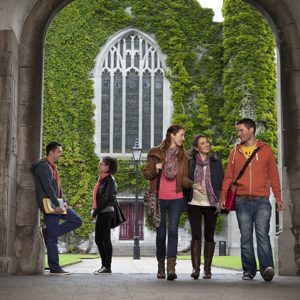
Choosing a course is one of the most important decisions you'll ever make! View our courses and see what our students and lecturers have to say about the courses you are interested in at the links below.
-
University Life

University Life
Each year more than 4,000 choose University of Galway as their University of choice. Find out what life at University of Galway is all about here.
-
About University of Galway

About University of Galway
Since 1845, University of Galway has been sharing the highest quality teaching and research with Ireland and the world. Find out what makes our University so special – from our distinguished history to the latest news and campus developments.
-
Colleges & Schools
Colleges & Schools
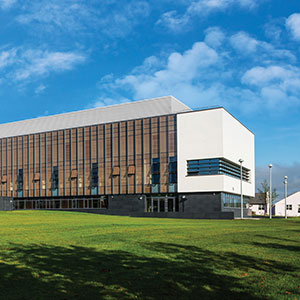
University of Galway has earned international recognition as a research-led university with a commitment to top quality teaching across a range of key areas of expertise.
-
Research & Innovation

Research & Innovation
University of Galway’s vibrant research community take on some of the most pressing challenges of our times.
-
Business & Industry
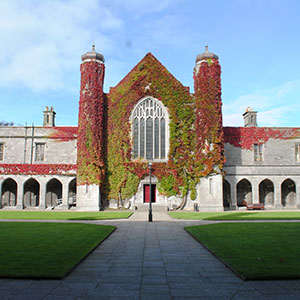
Guiding Breakthrough Research at University of Galway
We explore and facilitate commercial opportunities for the research community at University of Galway, as well as facilitating industry partnership.
-
Alumni & Friends
Alumni & Friends
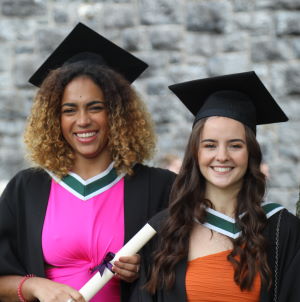
There are 128,000 University of Galway alumni worldwide. Stay connected to your alumni community! Join our social networks and update your details online.
-
Community Engagement
Community Engagement
At University of Galway, we believe that the best learning takes place when you apply what you learn in a real world context. That's why many of our courses include work placements or community projects.








 Accessibility & Language
December
Monday, 29 December 2025
An international research team has created a roadmap for the integration of sex and gender in medical research. The PAINDIFF network, led by University of Galway Centre for Pain researchers, brings together 32 international experts from 22 institutions across eight countries to address one of the most persistent gaps in biomedical science with barriers and inconsistencies in how sex and gender are accounted for in study design, data analysis and reporting. The results of the project have been published in Nature Neuroscience https://www.nature.com/articles/s41593-025-02164-1 Senior author and consortium coordinator Dr Michelle Roche said: “For too long, medical research often assumed that biological mechanisms and treatment responses are the same for males and females. Historically, males were more commonly used in preclinical research and while clinical research included more balanced participation, data was not routinely analysed or separately by sex.” The research team noted that increasing evidence now shows meaningful differences between males and females in disease prevalence, biological pathways and responses to treatment. Dr Roche added: “As medical research moves toward personalised medicine, it is increasingly clear that understanding sex and gender differences and similarities is essential for improving health outcomes. The PAINDIFF network has developed guidelines and recommendations for studies in this field. Widespread adoption and implementation of these recommendations will reduce variability, improve reproducibility, and enhance the translatability of research findings, within and beyond the field of pain.” Professor David Finn, joint first author on the paper, said: “Chronic pain is a clear example of a condition where there are important sex and gender differences. It affects one in five people worldwide, with women accounting for 70% of those affected. Our new paper aims to reset the basic requirements for medical research, offering 13 actionable recommendations to guide researchers, reviewers, funders and policymakers, creating a clear and comprehensive roadmap for integrating sex and gender.” The recommendations include five universal principles applicable across all types of research — such as including both males and females as standard practice, and analysing and reporting data by sex. They also address how gender, distinct from biological sex, should be meaningfully incorporated into research frameworks. Professor Brian McGuire, joint first author, said: “Historically, there have been deficits, barriers and inconsistencies surrounding the inclusion and study of sex and gender in research. Our paper provides a framework and roadmap for researchers and other stakeholders on how best to include and study sex and gender in research on pain and other biopsychosocial fields going forward.” The research was carried out under the ERA-NET NEURON initiative, funded by the European Union and the Health Research Board, and led by Dr Michelle Roche, Professor David Finn and Professor Brian McGuire at the University of Galway’s Centre for Pain Research. The 13 PAINDIFF recommendations published under three themes are: Universal Recommendations Include males and females as standard practice unless there is a valid reason not to do so. Account for sex in randomization/counterbalancing/testing order Use adequately powered study design to detect sex differences when it is the primary experimental variable or when data suggest sex-specific effects Include detailed reporting of experimental design including sex of the experimenter when possible Conduct sex-disaggregated analysis and reporting Preclinical Researchers should be aware of, and report on, the sex of the established cell lines, primary cells and tissues used in their research It is not always necessary to test for oestrous cycle stage Researchers should include detailed reporting on housing, environmental conditions and experimental design Clinical Ask for participants’ sex assigned at birth and self-identified gender Include a “prefer/choose not to say” response option when asking about sex and gender Include an open textbox response option to capture gender identity followed by a series of tick boxes to aid categorisation Report the number of people who hold diverse gender identities and, where possible and permitted, make the raw data accessible for further study (while ensuring anonymity). When possible, collect and report on sex-specific variables to allow disaggregated analysis by sex or gender to be better informed by hormonal status, rather than solely by age. Ends
Sunday, 28 December 2025
Scientists have discovered a new approach to growing mini-brains in the lab which gives them long enough lifespan to explore function and disease in cells. The research team led by Dr Mihai Lomora, a scientist with CÚRAM - the Research Ireland Centre for Medical Devices based at University of Galway, grew the small blobs of brain cells in a soft, biologically compatible material called a hydrogel and introduced cells that can form blood vessels. The result was that the cerebral organoids grew larger with fewer cells dying in the centre, and they mimicked features of the protective blood-brain barrier, potentially making them more relevant lab models to study diseases such as stroke, Alzheimer’s, and Parkinson’s Disease. The findings have been published in the prestigious journal Advanced Science. Dr Lomora, a lecturer in Biomaterial Chemistry, lead of the CerebroMachines Lab and member of the Institute for Health Discovery & Innovation, University of Galway, said: “Growing ‘mini-brains’ in the lab might sound like science fiction. But it’s not so far-fetched. Scientists around the world today grow small ‘cerebral organoids’ made of brain cells. “When we started the project, we could see in the scientific literature that cerebral organoids growing in the lab tended to have a vasculature or blood vessels that were superficial only. That meant that the blood vessels didn’t penetrate in to reach the deeper cells in the organoid, then these cells became starved of oxygen and nutrients over time and they died off.” The research project involved a multi-disciplinary team based in CÚRAM, University of Galway, RCSI University of Medicine and Health Sciences, Trinity College Dublin and the University of Edinburgh. The team took an approach to help overcome the issue of viability of an organoid – tiny clumps of tissue, only a few millimetres across and just about visible to the naked eye. One of the main problems with these collections of brain cells is that as they get bigger, a lack of blood supply means the inner core dies off. In order to get enough oxygen and nutrients to all of the cells, researchers adapted an existing protocol, or recipe, for growing the cerebral organoids, experimenting with different environments and timings to optimise the ability of blood vessels to reach these deeper cells. The more blood-vessel-friendly approach resulted in three times less cell death in the organoids, and the researchers saw evidence that the organoids contained characteristics of an important protective feature naturally found in the brain called the blood-brain barrier. Dr Lomora added: “We were fascinated to see that the vasculature really was able to protrude towards the interior of the organoids, which actually was quite a big advancement. And we also saw that cells involved in forming some of those blood vessels came from the organoid itself. It's at the edge of the state of the art for now. “Obviously this is not the same as growing a brain in the lab, but it is a mini-model of how parts of the brain work, and we want it to be as physiologically relevant as possible. We believe that by increasing the vasculature we have taken steps to making the organoids more physiologically relevant.” The organoids are now being used by researchers in the CÚRAM network to explore brain function and disease, including stroke. The research paper is available at Advanced Science. Ends
Wednesday, 17 December 2025
A University of Galway academic has been appointed Chief Scientist of the Food and Agriculture Organization (FAO) of the United Nations. Charles Spillane is Established Professor of Plant Science in the School of Biological and Chemical Sciences and Ryan Institute and leads the AgriBiosciences, Food Security and Climate Change research lab in the University. Professor Spillane joins the Core Leadership team of the Food and Agriculture Organization - the inter-governmental specialised agency within the United Nations system which leads international efforts to defeat hunger and achieve food security for all. It is the first time an Irish person has been appointed to such a high leadership position in the FAO since its foundation in 1945. The mission of the FAO is focused on three goals: the eradication of hunger, food insecurity and malnutrition; the elimination of poverty and the driving forward of economic and social progress for all; and the sustainable management and utilisation of natural resources, including land, water, air, climate and genetic resources for the benefit of present and future generations. Minister for Agriculture, Food, Fisheries and the Marine, Martin Heydon T.D., said: “The appointment of Professor Charles Spillane as Chief Scientist of the Food and Agriculture Organization of the United Nations is a significant achievement for Ireland, the University of Galway and for Professor Spillane personally. He brings deep expertise in agricultural bioscience, climate-resilient food systems and sustainability, built through decades of leading interdisciplinary research at the University of Galway. His appointment will further strengthen the FAO’s capacity to advance evidence-based innovation and partnerships for resilient, inclusive and sustainable agrifood systems worldwide.” Professor David Burn, President of University of Galway, said: “We are delighted that Professor Spillane has been appointed to this position of exceptional public service with the United Nations Food and Agriculture Organization. Professor Spillane’s appointment to this globally leading role is a testament to University of Galway’s rapidly growing reputation in agricultural research and education for food security and international development, that has been achieved over the past decade.” Professor Charles Spillane, University of Galway, said: “I am deeply honoured to be appointed as Chief Scientist within the Food and Agriculture Organization of the United Nations. I am taking on this role with profound respect for the Organization’s remarkable history and enduring mandate to achieve food security for all, and to ensure that people everywhere have regular access to sufficient, nutritious food. The Food and Agriculture Organization is a key enabler of the world’s shared commitment to a simple but powerful idea, namely that that no person should go hungry, and that the pursuit of food security is inseparable from the pursuit of peace, prosperity, and dignity.” The Food and Agriculture Organization is the United Nation’s lead agency for SDG2 (Sustainable Development Goal 2) - Zero Hunger and is the custodian agency responsible for 21 of the United Nation’s Sustainable Development Goal indicators. It was founded in 1945 in response to the multiple global food crises that followed World War II. It is governed by its 195 members, namely 194 Member States and the European Union, operating on a consensus-based one country, one vote system. Ireland is one of the Member States, where the Department of Agriculture, Food and the Marine leads the state’s engagement. The FAO has an annual budget of over US$2billion, with more than 16,000 staff working across the headquarters in Rome, five regional offices and 130 country offices. Read more information about the Food and Agriculture Organization of the United Nations here: www.fao.org.Ends
Tuesday, 16 December 2025
University of Galway, in partnership with the HRB Diabetes Collaborative Clinical Trial Network, has announced the inaugural A.Menarini Pharmaceuticals Ireland Scholarship. The successful student is Ruth Alejandra Huerta Sinesio, originally from Mexico City, who was awarded the scholarship for her outstanding achievements and commitment to advancing diabetes research and patient care. The A.Menarini Pharmaceuticals Ireland Scholarship, supported by Galway University Foundation, provides full financial support for a student in the Master of Science in Clinical Research. Ruth Alejandra Huerta Sinesio was selected from a highly competitive field of candidates, demonstrating a strong dedication to improving health outcomes through her work and experience. The award will enable her to pursue advanced training and to contribute to pioneering research activities, as well as strengthening her role within the Diabetes Collaborative Clinical Trial Network and broader diabetes community. Professor Fidelma Dunne, Director of the HRB Diabetes Collaborative Clinical Trial Network and the Institute for Clinical Trials at University of Galway, said: “We are immensely proud of Ruth Alejandra and all she has accomplished to date in her career. Her passion, drive, and commitment embody exactly what this scholarship stands for. We are deeply grateful to A.Menarini for their generous support, which enables us to nurture the next generation of clinical researchers who will make a transformative difference in Ireland and far beyond. Their investment in education and research ultimately supports the lives of people living with diabetes.” Ruth Alejandra Huerta Sinesio said: “This scholarship motivates me to keep striving for excellence. I’m grateful to A. Menarini for this award, which supports my professional growth and my mission to address a major public health challenge. It’s an honour to be supported by a community that believes in students’ ability to improve care for people with diabetes. I hope to turn my experience and motivation into lasting impact, honouring my loved ones and improving lives worldwide.” As part of A.Menarini Pharmaceuticals Ireland support for students at University of Galway, the company will provide three further annual scholarships in the coming years to support students demonstrating academic excellence, leadership, community engagement, or financial need. The company has also pledged support for education and training within the HRB Diabetes Collaborative Clinical Trial Network, including professional development, multidisciplinary training and expanded Patient and Public Involvement (PPI) initiatives. The investment will strengthen Ireland’s capacity to deliver world-class clinical research and foster a new generation of leaders dedicated to improving diabetes care across the globe. Ends
Monday, 15 December 2025
RePEAT research project showcases scale of digitisation of 19th century bog maps University of Galway has announced the launch of the All-Ireland Peatlands Centre of Excellence to lead research and policy development on restoration and conservation of bogland. The Centre has been established at the University’s Ryan Institute to help address critical challenges linked to peatlands, including decarbonisation, biodiversity loss, just transition and cultural heritage. Along with academic research and policy development, it will also serve as a hub for innovation and training in relation to protection of peatlands on the island of Ireland and overseas. The establishment of the All-Ireland Peatlands Centre of Excellence builds on a strong collaborative ethos among multiple universities, government agencies and community groups. It also follows on from the RePEAT project, a research collaboration involving University of Galway and Trinity College Dublin which identified former peatlands areas that are suitable for alternative management and informs national bog rewetting projects to reduce greenhouse gas emissions. Using Bog Commissioner maps from the 19th century which were originally designed to facilitate drainage, RePEAT researchers digitised the maps and turned them against their initial purpose in order to establish the original baseline extent of peatlands. The maps recorded the large-scale survey of more than 1 million acres of bogs between 1810 and 1814. The RePEAT project was funded by the Department of Agriculture Food and Marine and the Environmental Protection Agency. Dr Terry Morley, Lead of the new All-Ireland Peatlands Centre of Excellence and researcher on RePEAT project, Ryan Institute, University of Galway, said: “The All-Ireland Peatlands Centre of Excellence will bring together scientists, policymakers, landowners, and communities. “We hope that through this new Centre of Excellence we will be able to strengthen national capacity for sustainable peatland management and ensure long-term environmental and societal benefits from restoration and conservation. “University of Galway is uniquely situated to lead this centre, with blanket and raised bogs at our doorstep and broad interdisciplinary peatland research expertise.” Dr John Connolly, a researcher on the project from Trinity College Dublin, said: “The RePEAT project has identified more than 200,000 hectares of former peatland, which is now in other land uses. These areas represent emissions many times higher than their baseline and can be used to identify areas that may be suitable for restoration and rewetting under Ireland’s Climate Action Plan.” A special showcase outlining the findings of the RePEAT research project is being hosted in the Orbsen Building on the University of Galway campus from Monday December 15th-19th while a public lecture will be held on Thursday, December 18th at 5pm in the Michael D Higgins Auditorium. Ends
Monday, 8 December 2025
Three consortia involving University of Galway researchers have received funding for innovative medtech, life sciences and AI-driven projects that will transform healthcare and drive improved patient outcomes. The funding, announced by Minister for Enterprise, Trade and Employment, Peter Burke T.D., is part of the latest tranche of awards from the Government’s Disruptive Technologies Innovation Fund (DTIF). University of Galway is part of 38 consortia which have successfully applied for investment through partnerships with regional and national SMEs and institutions. The three projects awarded funding in the latest round are: The PIONEER project – a pathology and immuno-oncology with next-generation screening and electroporation for enhanced response in cancer therapy. The project is in partnership with Mirai Medical, Deciphex, Eurofins, University of Galway, Trinity College Dublin and University College Dublin. It has been awarded €7.2 million. The HealAsystant project - an AI-assisted self-management support system for compression therapy. The project is in partnership with University of Galway spin-out FeelTect, Professional Granite Consulting and University of Galway. It has been awarded €6.3 million. The RECAP project – a therapy and personalised post-treatment support for people with chronic musculoskeletal pain. It will involve a series of clinical trials that will combine two complimentary technologies. The project is in partnership with CrannMed, Salaso Health Solutions, University of Galway’s Institute for Clinical Trials and RCSI University of Medicine and Health Sciences. It has been awarded €6.6million. Professor David Burn, President of University of Galway, said: “I am delighted to see University of Galway's continued success in awarded funding from the Government’s Disruptive Technologies Innovation Fund programme. Congratulations to all involved in this huge achievement and to the consortium of partners and those from the Galway region. “These projects are a testament to the world-class research innovations in medtech, life sciences and AI-driven healthcare being developed at University of Galway to solve global challenges facing our society. The collaborative nature of our partnerships with institutions and enterprises demonstrates our ongoing commitment to advancing impactful research solutions.” The Disruptive Technologies Innovation Fund finances collaboration between SMEs, multinationals and research institutions towards the development of the next wave of high-value innovation. The total investment of over €19 million was made under the Government’s Call 7 of the Disruptive Technologies Innovation Fund. Ends
Friday, 12 December 2025
New research into the arrangement of sugar chains or ‘glycans’ in the cells of the spine has shed light for the first time on the critical role it plays in the complex process of disc degeneration. Researchers at CÚRAM - Research Ireland Centre for Medical Devices at University of Galway, together with a team of international colleagues, carried out a comprehensive investigation into the different characteristics of glycans in healthy and degenerated intervertebral discs. It is the first time that the whole human disc glycome in the spine - the entire set of sugar chains that modify human proteins and lipids - have been analysed in this way. Intervertebral disc (IVD) degeneration is a major cause of low back pain, a significant global health issue. While glycosylation is critical for cellular signalling and inflammation, its malfunction can lead to diseases and its role in IVD degeneration has remained poorly understood until the research was conducted. Dr Kieran Joyce, first author of the paper, said: “From this research, we now know which sugars are expressed in the degenerated or diseased disc states, so we can design therapies to target this. “We observed distinct alterations in glycan expression, notably an overabundance of sialic acid on the surface of the cells in degenerated discs and decreased branching, which are associated with IVD degeneration. These observed differences have implications for regulating inflammatory responses and other cellular activities.” Professor Abhay Pandit, Scientific Director of CÚRAM and senior author of the research paper, said: “Our findings suggest that there is therapeutic potential in using biomaterial systems to intervene and alter the way proteins and glycans attach to each other to reduce inflammation associated with IVD degeneration. This research significantly advances our knowledge of the glycomic mechanisms underlying IVD degeneration and opens new avenues for developing therapies to restore disc physiology.” The finding of the research have been published in Advanced Science and can be accessed at https://advanced.onlinelibrary.wiley.com/doi/10.1002/advs.202506669?af=R. The project was carried out by CÚRAM researchers at University of Galway in collaboration with colleagues at Maynooth University, University College Dublin, the National Institute for Bioprocessing Research and Training (NIBRT), the Medical University of South Carolina and the Institute of Chemical Technologies and Analytics in Austria. Ends
Wednesday, 10 December 2025
University of Galway’s Institute for Clinical Trials has been awarded the 2025 Collaboration in Medtech Award at the Irish Medtech Awards. The accolade recognises the Institute’s outstanding leadership in advancing early-stage medtech innovation through high-impact clinical partnerships, including the establishment of the Hypercare initiative to supports partners in the clinical trials approval process. It is the second year in a row in which University of Galway has won the Collaboration in Medtech Award. Established in 2023, the Institute for Clinical Trials is focused on transformation of the clinical research landscape in Ireland by creating an environment where scientific advances are translated into improved care for patients. The 2025 Collaboration in Medtech Award was secured for the Institute’s Hypercare initiative, which has been developed to transform how early-stage medtech trials are delivered in Ireland. The initiative is a national pilot, designed to support industry collaborators in navigating complex approval processes for a clinical trial, from ethics and regulatory submission to system requirements of the Health Service Executive, through to initial patient enrolment. Aligned with the mission of the Institute for Clinical Trials, this project drives excellence, inclusivity, and need-driven research to improve global health outcomes. Clinical trials increase the opportunities of patients to have early access to innovative treatments that could improve, extend or even save their lives. Encouraging more research must be a priority for those bodies charged with improving the nation’s health and the Hypercare initiative seeks to support this by ensuring Ireland is a location of choice for early feasibility/phase MedTech trial conduct and delivery. The Hypercare project aims to highlight positive changes in the delivery of clinical research in Ireland, attracting further interest and investment from MedTech stakeholders nationally and internationally. Professor Fidelma Dunne, Director of the Institute for Clinical Trials at University of Galway, said: "It is a real honour for the Institute to win the 2025 Collaboration in Medtech Award. Collaboration is at the heart of everything we do at the Institute for Clinical Trials, and this recognition reflects the commitment of our team and our partners. “The Hypercare initiative stands out as the model for academic–industry collaboration, advancing innovation while upholding the highest clinical and regulatory standards. By working closely with innovators, from early-stage start-ups to global leaders, we are making great strides in demonstrating where Ireland can lead in the world of clinical trials as well as accelerating the delivery of new technologies that can truly improve patient outcomes at home and across the globe." Hypercare has successfully supported four companies to date through the pilot, two of which have launched a first-in-human use of their device in Ireland – Medtronic and Intervene. By bringing together clinical expertise, regulatory guidance, and real-world testing, the Institute helps partners move through approvals in a more structured and predictable process and therefore more quickly through early clinical validation with the hope of bringing new helathcare solutions to patients in Ireland and beyond. The Collaboration in Medtech Award celebrates the Institute’s success in forging partnerships that strengthen Ireland’s position in medtech and support a more collaborative, efficient, and innovative approach to clinical research. Irish Medtech, the Ibec group that represents the medtech sector, Enterprise Ireland and IDA Ireland held the awards as part of Medtech Rising, an annual conference for the sector held this year at The Galmont Hotel in Galway. Ends
Tuesday, 9 December 2025
University of Galway has announced the recipients of its Writer in Residence and Digital Artist in Residence awards for 2026. Creative Writer in Residence, Nicole Flattery and Digital Artist in Residence, Jane Cassidy will take up their positions at University of Galway in early 2026. Westmeath author and short story writer, Nicole Flattery is best known for her award-winning short story collection, Show Them A Good Time and her debut novel Nothing Special, as well as being a literary critic and podcaster. Jane Cassidy is a multidisciplinary artist and educator from Galway. Trained in music and digital media, Jane's main interests lie in audio-visual immersive environments, visual music and synaesthesia. Both artists’ work reflects the diversity and richness of Ireland’s creative landscape through literature and digital arts. The awards, which are jointly funded by the Arts Council and the University, provide artists with dedicated workspaces and vital finances to develop their work, acquire resources and further Ireland’s vibrant creative scene. Dr John Kenny, Director of the BA in English and Creative Writing, School of English, Media and Creative Arts, University of Galway, said: “Our ongoing partnership with the Arts Council for this Residency has been of tremendous benefit to our Creative Writing programmes in the School. It brings additional cutting-edge literary talent into our classrooms, and it inspires our students and wider learning communities on campus and in the Galway region, by highlighting the new presence of a writer who will be engaging in their own artistic practice while spending the year developing creative ideas and conversations with us. “Nicole Flattery has featured previously as a practitioner-teacher in the Department of English, and we are thrilled to be welcoming her back for the coming year. Nicole is one of the major internationally recognised artists of literary prose among the younger generations of Irish writers, and she is also a highly esteemed literary critic and podcaster. We look forward to working with her as she finishes her next book and fosters her own inventive approach to this Residency.” This year marks a particularly exciting opportunity for Digital Artists, who have, for the first time, been included in the programme through pilot residencies. Dr Conn Holohan, Director of the Centre for Creative Technologies, University of Galway, said: “We are delighted to welcome Jane Cassidy to the Centre for Creative Technologies as the University of Galway Digital Artist in Residence. Jane’s commitment to co-creation and inclusive digital arts practice resonates strongly with the ethos and activities of the Centre. We are particularly excited about the opportunities this residency creates for students, academic researchers, and the wider creative community to engage directly with Jane’s work through workshops, co-creative projects, and public events, expanding access to the digital arts across the campus and beyond.” The Artists in Residencies programme is a cornerstone of the Arts Council’s commitment to fostering artistic excellence and enriching educational environments. Maura McGrath, Chair of the Arts Council, said: “As Chair of the Arts Council, I am delighted to congratulate the new Artists in Residence across our universities. These programmes support artists to deepen their practice while bringing fresh creative energy into teaching, research and campus life. By connecting students and staff with professional artists, they spark new ideas and show how creativity can enrich every discipline. We are very grateful to our university partners for their ongoing commitment to these residencies.” Ends
Monday, 8 December 2025
Consortium of CrannMed Ltd., Salaso Health Solutions Ltd., University of Galway and RCSI University of Medicine and Health Sciences secure €6.6m funding through Disruptive Technologies Innovation Fund A consortium of medtech and digital healthcare companies and university researchers are to launch a series of world-first clinical trials focused on bringing long term relief to people suffering from chronic musculoskeletal pain. The partnership of CrannMed, Salaso Health Solutions, University of Galway’s Institute for Clinical Trials and RCSI University of Medicine and Health Sciences has been awarded €6.6million Government investment. The funding, announced by Minister for Enterprise, Trade and Employment, Peter Burke T.D., is part of the latest tranche of awards from the Disruptive Technologies Innovation Fund. The consortium will carry out the RECAP project - Resorbable Embolization for Chronic musculoskeletal Pain. The series of clinical trials taking place as part of the project are being coordinated by University of Galway’s Institute for Clinical Trials and RCSI University of Medicine and Health Sciences. The trial programme combines two complimentary technologies to improve outcomes for people with chronic musculoskeletal pain. Patients will have access to breakthrough pain treatment developed by CrannMed and a recovery programme developed by Salaso with the support of clinical specialists. In the first trial, a patient will receive an injection which will selectively block blood flow to the site of pain, reducing inflammation and stray nerve endings, which are ultimately the root cause of the pain. Patients who have experienced chronic pain need to pursue a structured recovery process aimed at building strength and improving the resilience of musculoskeletal tissues. The second trial assesses the patient’s recovery as they are supported by an AI enabled self-management platform in real-time. Furthermore, the trials will allow scientists and researchers within the clinical centres to develop new imaging techniques, smart trial designs and pain measurement methodologies that will be needed to make the solution standard within healthcare systems. Liam Farrissey, CrannMed Chief Executive Officer, said: “It is very rewarding to be able to put to put such a high quality consortium together from within the Irish eco-system. The consortium covers development, manufacture, clinical validation and AI enabled patient engagement all from within world class teams operating in the country. An exciting benefit is that we will be able to offer our treatment to Irish patients much earlier than would otherwise be possible. If we are successful, it can pave the way to change the way we treat chronic pain.” Aoife Ní Mhuirí, Salaso, said: “Using AI to increase engagement with clinically prescribed self-management programmes will lead to improved patient outcomes while minimizing the time required from physicians or therapists to oversee post-procedure care. Treatment and recovery can happen closer to home, saving time and money for patients and the health system. The approach is more sustainable, more accessible for patients, and has the potential to set a new global standard for pain management.” Professor Fidelma Dunne, Director of the Institute for Clinical Trials at University of Galway, said: "This project is set to revolutionize how chronic joint and muscle pain is treated. The innovative treatment and clinical trial will enable patients to get effective, long-term pain relief from chronic pain without surgery or addictive drugs. This project is an example of academic-industry collaboration at its best and the Institute for Clinical Trails is delighted to support these type of partnerships by providing clinical trial expertise to our industry innovators and ensuring accelerated access to innovative treatments for patients.” Professor Fergal O’Brien, Deputy Vice Chancellor for Research and Innovation at RCSI, said: "RCSI is proud to support innovative Irish medtech through first-in-human clinical trials conducted here in Ireland. This collaboration shows that Ireland is open for business in clinical research, and RCSI is committed to working with Irish companies to deliver transformative health solutions for patients.” University of Galway’s Institute for Clinical Trials has a pivotal role in the project, focused on clinical trial leadership, innovation in trial design and overall coordination and delivery of the clinical trial programme for the Disruptive Technologies Innovation Fund. RCSI’s role in the project is to lead the development and validation of imaging and access protocols for direct injection of the CrannMed technology and conduct the first-in-human clinical use of the technology. Additionally, RCSI will contribute expertise in digital health to optimise patient engagement with the AI-enabled rehabilitation platform. The consortium stated that the combined benefits of the treatment and technologies being trialled are expected to be tens of times better than steroid injections, which are the current standard of care for chronic musculoskeletal pain conditions. The €6.5m investment was made under Call 7 of the Disruptive Technologies Innovation Fund. Ends
Monday, 8 December 2025
Fuair Cuibhreannas CrannMed Ltd., Salaso Health Solutions Ltd., Ollscoil na Gaillimhe agus Coláiste Ríoga na Máinleá in Éirinn maoiniú €6.5m tríd an gCiste Nuálaíochta Teicneolaíochtaí Suaiteacha Tá cuibhreannas de chomhlachtaí teicneolaíochta leighis, cúraim sláinte digití agus taighdeoirí ollscoile ag seoladh sraith trialacha cliniciúla den chéad uair ar domhan, dírithe ar fhaoiseamh fadtéarmach a thabhairt do dhaoine atá ag fulaingt le pian ainsealach mhatánchnámharlaigh. Bronnadh infheistíocht rialtais €6.5 milliún ar an gcomhpháirtíocht idir CrannMed, Salaso Health Solutions, an Institiúid do Thrialacha Cliniciúla in Ollscoil na Gaillimhe agus Coláiste Ríoga na Máinleá in Éirinn. Tá an maoiniú, arna fhógairt ag an Aire Fiontar, Trádála agus Fostaíochta, Peter Burke T.D., mar chuid den tráinse is déanaí de dhámhachtainí ó Chiste Nuálaíochta Teicneolaíochtaí Suaiteacha. Tá an tsraith trialacha cliniciúla á comhordú ag an Institiúid do Thrialacha Cliniciúla in Ollscoil na Gaillimhe agus ag Coláiste Ríoga na Máinleá in Éirinn. Comhcheanglaíonn clár na dtrialacha dhá theicneolaíocht chomhlántacha chun torthaí a fheabhsú do dhaoine atá ag fulaingt le pian ainsealach mhatánchnámharlaigh. Beidh deis ag othair teacht ar chóireáil cheannródaíoch do phian atá forbartha ag CrannMed agus ar chlár téarnaimh atá forbartha ag Salaso le tacaíocht ó speisialtóirí cliniciúla. Sa chéad triail, gheobhaidh othar instealladh a choisceann sreabhadh fola chuig suíomh na péine, rud a laghdóidh athlasadh agus néarchinn fhánacha, atá mar phríomhchúis leis an bpian. Tar éis na cóireála tosaigh, déanfaidh an dara triail measúnú ar théarnamh an othair agus tacaíocht á fáil acu ó sheirbhís dhigiteach féinbhainistíochta bunaithe ar an Intleacht Shaorga. Bíonn ar othair, a bhfuil pian ainsealach orthu, tabhairt faoi phróiseas téarnaimh struchtúrtha le neart a fhorbairt agus le hathléimneacht fíochán matánchnámharlaigh a fheabhsú. Ina theannta sin, cuirfidh na trialacha ar chumas eolaithe agus taighdeoirí sna hionaid chliniciúla teicnící nua íomháithe, dearaí trialacha cliste agus modheolaíochtaí tomhais péine a fhorbairt a bheidh de dhíth chun an réiteach seo a dhéanamh caighdeánach laistigh de chórais cúraim sláinte. Dúirt Liam Farrissey, Príomhfheidhmeannach CrannMed: “Is mór an sásamh dúinn a bheith in ann cuibhreannas ar chaighdeán chomh hard a chur le chéile anseo in Éirinn. Cuimsítear leis an gcuibhreannas réimse leathan scileanna – taighde agus forbairt na gcoincheap, déantúsaíocht, bailíochtú cliniciúil agus tacaíocht na hintleachta saorga d’fhéinbhainistíocht othar; agus tá an saineolas ar fad ag teacht ó fhoirne den scoth atá ag feidhmiú sa tír. Buntáiste iontach amháin a bhaineann leis seo is ea go mbeimid in ann ár gcóireáil a chur ar fáil d’othair Éireannacha i bhfad níos luaithe ná mar ab fhéidir murach sin. Má éiríonn linn, d’fhéadfadh sé bealach nua a leagan amach chun cóireáil a chur ar othair a bhfuil pian ainsealach orthu.” Dúirt Aoife Ní Mhuirí, Salaso: “Tríd an intleacht shaorga a úsáid chun rannpháirtíocht a mhéadú le cláir féinbhainistíochta atá leagtha amach go cliniciúil, beidh torthaí níos fearr ag othair agus laghdófar an méid ama a bheidh ar dhochtúirí nó ar theiripeoirí maoirseacht a dhéanamh ar chúram iarghnáthaimh. Is féidir an cóireáil agus an téarnamh a dhéanamh níos gaire do bhaile, rud a shábhálann am agus airgead ar othair agus ar an gcóras sláinte. Tá an cur chuige níos inbhuanaithe, níos inrochtana d’othair, agus tá an cumas aige caighdeán domhanda nua a leagan amach maidir le bainistíocht péine.” Dúirt an tOllamh Fidelma Dunne, Stiúrthóir na hInstitiúide do Thrialacha Cliniciúla in Ollscoil na Gaillimhe: “Tá sé i gceist ag an tionscadal seo réabhlóid a dhéanamh ar an gcaoi a gcuirtear cóireáil ar phian ainsealach sna hailt agus sna matáin. Cuirfidh an chóireáil nuálach agus an triail chliniciúil ar chumas othar faoiseamh éifeachtach, fadtéarmach a fháil ó phian ainsealach agus ní bheidh gá le máinliacht ná le drugaí andúile. Is sampla den chomhoibriú is fearr idir an earnáil acadúil agus tionsclaíochta é an tionscadal seo agus tá ríméad ar an Institiúid do Thrialacha Cliniciúla tacú leis na comhpháirtíochtaí seo trí shaineolas trialach cliniciúil a chur ar fáil.” Dúirt an tOllamh Fergal O’Brien, Leas-Seansailéir Taighde agus Nuálaíochta in RCSI: “Tá bród ar RCSI tacú le teicneolaíocht leighis nuálach Éireannach leis na chéad trialacha cliniciúla ar dhaoine anseo in Éirinn. Léiríonn an chomhpháirtíocht seo go bhfáiltítear anseo in Éirinn roimh chomhoibriú i réimse an taighde chliniciúil, agus tá RCSI tiomanta do bheith ag obair le comhlachtaí Éireannacha chun réitigh shláinte nua a sholáthar d’othair.” Dúirt an cuibhreannas go bhfuiltear ag súil go mbeidh na buntáistí a eascraíonn as an gcóireáil agus as na teicneolaíochtaí atá á dtriail deich n-uaire ar a laghad níos fearr ná instealltaí stéaróideacha, atá mar chaighdeán reatha cúraim i gcásanna péine ainsealaí matánchnámharlaigh. Rinneadh an infheistíocht €6.5m faoi Ghairm 7 den Chiste Nuálaíochtaí Teicneolaíochtaí Suaiteacha (DTIF). Críoch
Monday, 8 December 2025
More than 80 children with additional needs have enjoyed a unique opportunity to experience the magic of Christmas with a special visit to a Sensory Friendly Santa’s Grotto. The two-day event on December 5th and 6th was facilitated by staff and students from the School of Psychology at University of Galway, who took on the important roles of elves and Santa’s helpers. The annual Sensory Friendly Santa's Grotto has been a highlight of the year at University of Galway since 2017 and has grown to a weekend event, giving 48 families with additional needs the opportunity to visit Santa in a winter wonderland. Children received individualised, sensory-friendly gifts from Santa and had their photos taken, creating special Christmas memories. Dr Rachel Fitzpatrick, Dr Shauna Diffley, Dr Aoife McTiernan and Dr Helena Lydon from the School of Psychology coordinated the event, with a team of volunteer staff and students from the MSc in Applied Behaviour Analysis and final year students from the BSc Psychology programme at University of Galway. Dr Aoife McTiernan, Director of the MSc and PhD in Applied Behaviour Analysis and Lecturer in Psychology, University of Galway, said: “Visiting Santa is a cherished Christmas tradition, but busy grottos filled with noise, bright lights, and queues can be challenging for children with additional needs. The Sensory Friendly Santa’s Grotto at the University of Galway offers a calm, magical experience designed especially for these children and their families, often giving them their first opportunity to meet Santa.” Dr Rachel Fitzpatrick, Lecturer in Applied Behaviour Analysis, School of Psychology, University of Galway, said: “The event is made fully accessible and inclusive through small adjustments to the grotto and environment. Santa and the team connect with families in advance to help each child enjoy their visit at their own pace. It’s a true team effort, with Santa, the elves, and volunteers (staff and students from the School of Psychology) working hard behind the scenes to create real Christmas magic. We are deeply grateful to our generous sponsors across Galway and Ireland, and to the School of Psychology.” The organisers also hope to spread Christmas cheer by creating a freely available "How to Guide” on running similar inclusive and accessible Santa's Grotto events. The aim is that it will encourage other businesses and organisations across Ireland to provide this unique opportunity for more families of children with additional needs to experience the magic of meeting Santa. The event coordinators continued their annual tradition to collect for COPE's Christmas appeal with visitors and volunteers donating items for Christmas hampers for those in need. Businesses from Galway and around Ireland sponsored the 2025 event and their generosity plays a critical role in making the magic of the event happen. Sponsors include Diligent, Liberty IT, Galway Camera Shop, Charlie Byrne’s Bookshop, 56 Central, Cregal Art, The Galmont, Connacht Hospitality Group, Irish Socksciety, Ground and Co, Smyths Toys Superstores, Supermac’s, The Galway Bay Hotel, Lidl and Home Store. Business sponsor, Ruairí Conroy, Site Lead, Diligent Galway, said: “At Diligent, we’re committed to supporting initiatives that create meaningful impact in our community. The Sensory Friendly Santa experience is a truly special event, it ensures every child has the chance to enjoy the magic of Christmas in a way that feels comfortable and accessible. We’re proud to support the incredible work that goes into making this experience possible for families across Galway.” Ends
Wednesday, 3 December 2025
University of Galway has been awarded an institutional Silver Athena Swan award - a milestone in the University’s commitment to advancing equality and fostering an inclusive culture. The Silver award recognises a strong institutional commitment to equality and clear evidence of progress and impact, building on the foundations of two previous Bronze awards. The formal accreditation was given to the University at the National Athena Swan awards event in SETU, Carlow. University initiatives and interventions commended by Athena Swan Ireland in the award of the Silver accreditation include increasing the representation of women in senior academic grades and in leadership positions. This includes: A 15% rise in the proportion of females across all senior grades from 2015 to 2024. The proportion of female senior lecturers in University of Galway has increased from 31% in 2017 to 47% in 2025. The proportion of female professors has increased from 13% in 2017 to 30% in 2025. In two other areas there has been further significant change with the proportion of female Heads of Schools increasing from 35% in 2017, to 56% in 2025, and the proportion of female Deans up from 14% in 2017, to 50% in 2025. Alongside the institutional recognition, 14 of the University’s schools now hold Athena Swan awards – with 2 schools recognised with a Silver award, and 12 schools with Bronze. In 2024-2025, the J.E. Cairnes School of Business and Economics was awarded Silver; the School of Languages, Literatures and Cultures and the School of Political Science and Sociology received their first Bronze awards; and the School of Nursing and Midwifery and School of Psychology renewed their Bronze awards. Professor David Burn, President of University of Galway, said: "I warmly congratulate our Vice-President for Equality, Diversity and Inclusion Dr Helen Maher, her team and the whole University community for their dedication in achieving an Athena Swan Silver institutional award. These awards are a testament to the sustained work of the University in improving gender equality and enhancing the lived experience of students and staff. “Athena Swan at University of Galway now addresses not only gender, but the broader culture and experience of staff from all staff categories, embedding equality, diversity and inclusion into the fabric of University life. I look forward to working together with staff and students to continue our collaborative efforts and commitment to further advance equality and foster an inclusive culture at the University." Dr Helen Maher, Vice-President for Equality, Diversity and Inclusion at University of Galway, said: “Our new Silver Athena Swan accreditation is both an acknowledgement of how far we have come, and a reminder of our responsibility to continue to advance equality for all. This award reflects the vision and dedication of staff and students throughout our University community, and our shared commitment to making University of Galway a place where everyone feels valued and accepted. While we remain cognisant of the extensive work to do, we are proud of this progress and determined to build on it.” Athena Swan also praised the University’s 2025-2030 Equality Diversity Inclusion (EDI) action plan which is likely to drive substantial change in areas where issues have been identified. Robust internal Equality Diversity Inclusion (EDI) and governance structures within the University were also noted, as was the annual funding of €3,000 for Athena Swan activities such as scholarships and events, at School and Unit level offered by the Office of the Vice President for Equality, Diversity and Inclusion. Over the past decade, led by the Office of the Vice President for Equality, Diversity and Inclusion, University of Galway has taken a proactive and collaborative approach to tackling historic challenges in relation to gender equality, leading to a genuine and sustainable cultural shift over time. Athena Swan is an internationally recognised charter for gender equality in higher education and research. In Ireland, it is overseen by Advance HE and supported by the Higher Education Authority. The Silver award places University of Galway among a select group of institutions demonstrating sustained, evidence-based change. Sarah Fink, Head of Athena Swan Ireland, said: “This Silver Athena Swan award highlights the fantastic commitment of University of Galway in bringing about change through impactful and sustainable gender equality initiatives in higher education across Ireland. Congratulations to all those who work so hard to achieve and sustain this recognition.” Jennie Rothwell, Centre of Excellence for Equality, Diversity and Inclusion, Higher Education Authority, said: "Action plans developed through the Athena Swan Ireland Charter enable higher education institutions and departments to take an evidence-based approach to addressing gender equality challenges. Congratulations to University of Galway in taking this step forward to advance gender equality for all staff and students." Ends
Tuesday, 2 December 2025
University of Galway partners with Government of Ukraine to strengthen democracy and media education
University of Galway is to take a major international role in supporting the media ecosystem and democratic development in Ukraine with a new cooperation agreement with President Volodymyr Zelensky’s government. The Memorandum of Cooperation was signed at a meeting in Dublin today, which was hosted by the First Lady of Ukraine Olena Volodymyrivna Zelenska. The agreement between University of Galway and the Government of Ukraine sets out joint work on democracy, media and public communication as the country continues to defend itself from the Russian invasion and sustained Russian disinformation efforts aimed at weakening European democracy and public trust. The agreement confirms the University as a partner in the Global Coalition of Ukrainian Studies, an international initiative coordinated by the Office of the President of Ukraine to strengthen academic cooperation and counter the effects of the ongoing war and the wider information threats facing Europe. President of University of Galway Professor David Burn and Associate Professor Tom Felle attended on behalf of the University. The agreement establishes a structured programme of cooperation on media literacy, democratic resilience and the rule of law. It reflects the University’s growing role in European debates on democracy and public communication and supports Ukraine as it continues to defend its sovereignty and progress towards European Union membership. President of University of Galway Professor David Burn said: “Ukraine’s defence of democracy and European identity goes to the heart of our mission as a university for the public good. Galway has become a leading academic centre for work on media, democracy, digital governance and human rights, and our researchers influence policy discussions across Europe. This Memorandum strengthens that work in partnership with Ukraine at a moment of sustained pressure on democratic institutions and the information environment. It sets out the kind of contribution a university of our scale and ambition should make in Europe today.” Associate Professor of Journalism and Media Tom Felle said: “Democracy relies on informed citizens and a resilient media system. Ukraine’s journalists, educators and students continue to work under extreme conditions. This agreement allows us to support them and to deepen academic cooperation while ensuring our own students engage directly with the realities of a country defending its freedoms. Galway is committed to playing a constructive role in this partnership and to working with institutions that share a commitment to democratic principles.” University of Galway currently hosts more than 50 Ukrainian students across a wide range of disciplines. They include Vladyslav Piatin Ponomarenko whose documentary Imagine War, 75 Days of Survival in Mariupol won the Film Documentary of the Year award at the 2025 National Student Media Awards. University of Galway is recognised internationally for its work on democracy, media and digital governance. Research at the University addresses disinformation, platform regulation, information integrity and the role of independent journalism in democratic life. It also contributes to European policy discussions on the Digital Services Act and the European Media Freedom Act and is known internationally for rigorous teaching and research in journalism and global media. The partnership includes future cooperation with leading institutions in Kyiv, including the Mohyla School of Journalism at the National University of Kyiv Mohyla Academy and the Faculty of Journalism at Taras Shevchenko National University of Kyiv. Future planned activity includes joint teaching, guest lectures, shared research and opportunities for Ukrainian scholars and students to work with colleagues in Galway. The agreement will also embed Ukrainian case studies and expertise across media and democracy teaching at the University. Ends
Monday, 1 December 2025
Professor John Canavan appointed to globally recognised research role Professor John Canavan has been announced as the new UNESCO Chair in Children, Youth, and Civic Engagement at University of Galway. The appointment has been marked with an inaugural lecture by Professor Canavan, exploring how society can advance knowledge and practice to improve the lives of children and young people. The event showcased the work of the team of researchers working with the UNESCO Chair, as well as the values and guiding principles which underpin their work, and to demonstrate their contribution to the mission of UNESCO and the wider United Nations system. Professor Canavan is a Personal Professor in Political Science and Sociology and the Director of the UNESCO Child and Family Research Centre, which he co-founded at University of Galway in 2007. The UNESCO Chair programme in Children, Youth and Civic Engagement at the University was established in 2008 and is delivered through the UNESCO Child and Family Research Centre. Professor Canavan said: “My vision for the UNESCO Chair is to make a significant contribution to global policy and practice in the field of children and young people’s wellbeing, through our team’s scientific research and evaluation programme focused on Empathy, Mentoring, Youth as Researchers, Family Support and Alternative Education.” The 2025-2029 programme for the UNESCO Chair in Children, Youth and Civic Engagement focuses on five thematic areas - youth empathy and civic engagement; youth mentoring; family support; youth engagement and participation; and alternative education. It also includes a number of objectives: to enhance and further develop existing work focusing on: Empathy/Social and Emotional Learning; Youth Mentoring; Alternative Education; and the Youth as Researchers (YAR) model. to develop a UNESCO position on family support as a policy paradigm that supports parents and wider family in meeting the needs of excluded children and young people in educational and inter-sectoral settings; and to embed policy and systems change as a cross-cutting theme across all work programmes seeking more effective bridging of policy and research worlds for greater societal impact. The former UNESCO Chair, Professor Pat Dolan, who held the role from 2008 to 2024, has been appointed Professor Emeritus at University of Galway. Ends